For fifteen years, the industry has viewed the Chromebook as a lightweight utility, essentially a web browser wrapped in a plastic chassis. It served a specific purpose: providing a low-friction gateway to the cloud. But as the boundary between local compute and cloud intelligence blurs, the concept of a browser-based laptop has become an insufficient answer to the demands of the modern professional. This week, Google signaled the end of that era, moving beyond the simple operating system to introduce a comprehensive intelligence system.
The Hardware Alliance and the Gemini Core
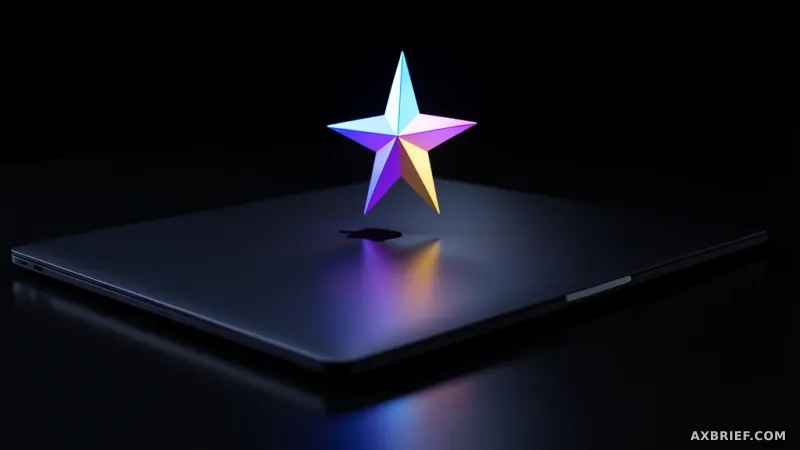
Google has officially unveiled Googlebook, a new category of laptop designed with Gemini AI embedded into its fundamental architecture. Unlike previous attempts to integrate AI as a sidecar application, Googlebook is built upon the Android technology stack, a move that effectively erases the physical and software boundaries between mobile devices and personal computers. To bring this vision to market, Google has formed a strategic alliance with five global hardware leaders: Acer, ASUS, Dell, HP, and Lenovo. These partners will produce premium hardware slated for release this autumn, featuring a distinct design element known as the glowbar, a luminous visual indicator that signals the device's AI-native status.
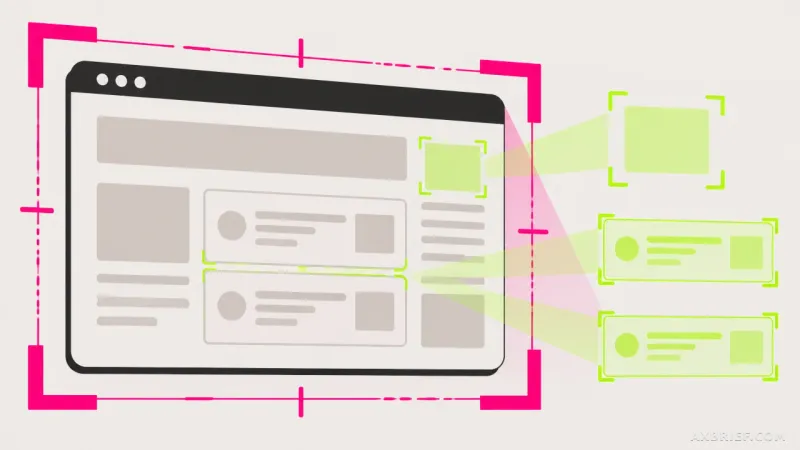
The intelligence of the machine is centered on Magic Pointer, a tool developed by Google DeepMind. Rather than relying on traditional menu navigation, Magic Pointer transforms the cursor into an AI trigger. When a user shakes the cursor, Gemini activates to provide contextual suggestions based on the on-screen content. For instance, hovering over a date within an email prompts the system to suggest immediate meeting schedules. Similarly, selecting a photo of a living room alongside an image of a new sofa allows Gemini to perform an instant visual synthesis, placing the furniture into the room in real-time.
Complementing this is the Create your Widget feature, which allows users to build personalized dashboards using natural language prompts. By linking Google apps such as Gmail and Calendar, users can organize complex projects into a single view. A user planning a family gathering in Berlin, for example, can prompt the system to aggregate flight details, hotel confirmations, restaurant reservations, and a countdown timer into one cohesive desktop widget, removing the need to toggle between multiple tabs and applications.
From Application Hub to Intelligence System
The shift represented by Googlebook is not merely a hardware update, but a fundamental reversal of how humans interact with computers. For decades, the laptop has been a passive tool where the user is responsible for the heavy lifting: finding the right app, navigating a nested menu, and executing a command. Googlebook flips this hierarchy. By making the cursor the primary trigger for AI, the interface evolves from a directory of apps into an intelligence system where the environment itself is the interface.
This transition is most evident in the collapse of the file management paradigm. The traditional friction of moving data between a smartphone and a laptop—usually requiring cloud uploads or messaging apps—is replaced by Quick Access. This feature allows the file browser to treat the internal storage of a connected phone as a local directory, enabling users to search for and insert mobile files directly into desktop documents. This is further extended by Cast My Apps, which streams mobile applications onto the desktop screen without requiring a separate installation process. A user can order food via a delivery app or complete a Duolingo lesson in a floating window without ever breaking their primary workflow on the laptop.
What is actually happening here is the systematic removal of the app boundary. When the distinction between a mobile app and a desktop program disappears, the user experience becomes a seamless stream of data and utility. This creates a powerful lock-in effect, tethering the user more tightly to the Google ecosystem than any previous iteration of ChromeOS ever could. While the hardware is owned by the manufacturers, the actual experience of computing is now governed entirely by Gemini.
Google is no longer competing for a share of the laptop market; it is attempting to redefine the desktop as an AI-driven extension of the mobile experience.