The modern developer's workflow is currently a fragmented series of prompts. Most users spend their day jumping between different LLM windows, manually copying context from one chat to another, and maintaining a mental map of which agent is handling which specific task. This manual orchestration has become the primary bottleneck in the transition from using AI as a simple tool to employing it as a functional teammate.
The Architecture of Autonomous Teams
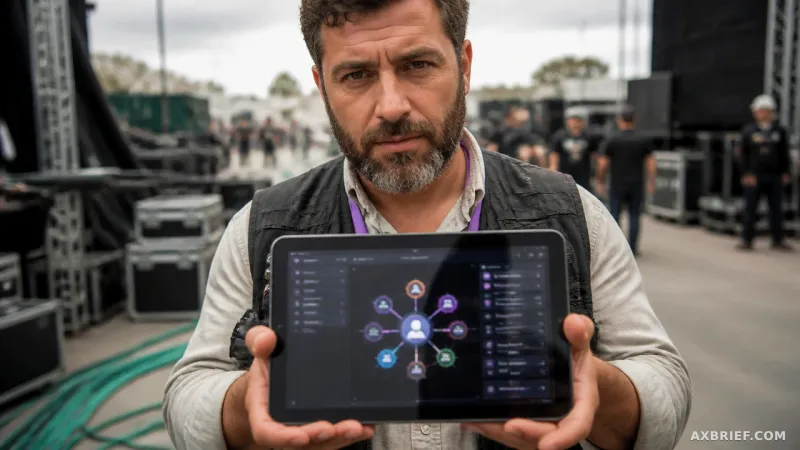
LobeHub addresses this operational friction with the release of the Chief Agent Operator, a platform designed to organize and operate AI agent teams on a 24/7 basis. The system is engineered to remove the need for constant human supervision, allowing AI teams to execute complex tasks and report their progress independently. At the center of this ecosystem is an agent builder that automatically configures the optimal team structure based on a user's high-level description of the required goals.
This orchestration layer is model-agnostic, ensuring that users can deploy any LLM they prefer without being locked into a single provider. To ensure these agents can interact with the real world, the platform provides integration with over 10,000 external functions. To manage the resulting output and coordination, LobeHub introduces a suite of organizational tools: Pages for shared content creation, Schedule for automated and timed execution, and dedicated Project and Workspace environments to keep complex workflows isolated and organized.
From Stateless Chat to Persistent Memory
The critical shift in this release is not merely the ability to group agents, but the implementation of a persistent, transparent memory layer. Most current AI agents suffer from a stateless nature, where context is lost once a session ends or the token limit is reached, forcing the user to repeat instructions. LobeHub counters this with Continual Learning, a mechanism that allows the system to observe and adapt to a user's specific operational style and preferences over time.
More importantly, the platform introduces White-Box Memory, a system where users can directly inspect and edit the AI's stored knowledge. This creates a fundamental change in the human-AI relationship; instead of simply correcting a wrong answer in a chat window, the user can correct the underlying memory that led to that answer. By combining parallel collaboration within agent groups with this editable memory, the platform moves away from the traditional prompt-response cycle toward a state of continuous, iterative improvement. This capability is further supported by a flexible deployment model, offering self-hosting versions based on Vercel, Alibaba Cloud, and Docker, all governed by the LobeHub Community License.
The Chief Agent Operator transforms the AI interface from a simple chat box into a managed digital workforce.