The modern developer is currently experiencing a strange paradox of productivity. With the rise of vibe coding, where natural language prompts and iterative AI interactions replace rigid architectural planning, the distance between a raw idea and a functional prototype has collapsed. A solo founder can now ship a working AI application in a single afternoon, bypassing weeks of syntax struggle and boilerplate setup. Yet, as the speed of creation accelerates, a new and frustrating bottleneck has emerged. Once the deploy button is pressed, these developers find themselves staring at a void, possessing a finished product but no viable, low-friction way to put it in front of actual users.
The Architecture of Show GN and the Localized Directory
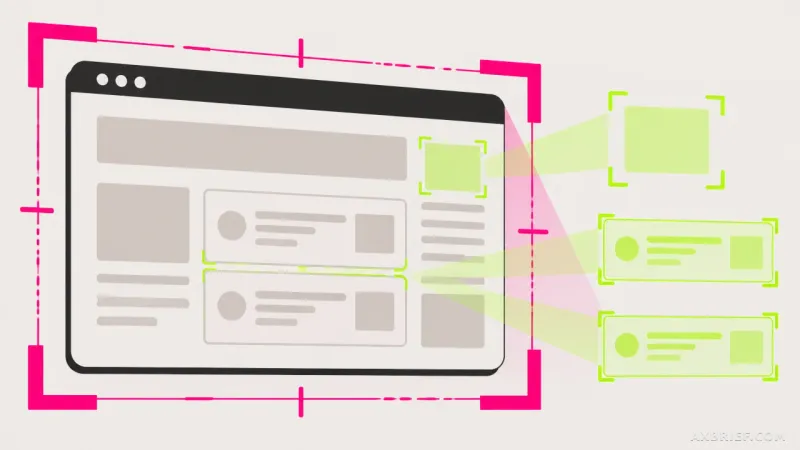
Show GN enters the market as a dedicated directory and promotion platform specifically engineered for the Korean AI ecosystem. While global AI directories exist in abundance, they often operate as monolithic lists where local innovations are buried under a mountain of English-language services. Show GN addresses this by implementing a discovery layer that prioritizes visibility for Korean developers. The platform does not merely list tools; it integrates a popularity tracking system that allows users to gauge which AI products are gaining genuine traction in the current market.
One of the most critical technical distinctions of Show GN is its filtering system. Unlike global platforms that treat geography as a secondary metadata tag, Show GN provides dedicated filters that allow users to isolate and explore products created by Korean developers. This design choice prevents domestic AI tools from being drowned out by the sheer volume of global data, creating a curated environment where local users can find optimized solutions tailored to their specific linguistic and cultural needs. Currently released in its initial version, the platform is operating as a feedback loop, allowing the developers to refine features based on real-world usage patterns from the AI community.
The Psychological Friction of the Promotion Bottleneck
To understand why a dedicated directory is necessary, one must look at the social dynamics of developer communities. Traditionally, a developer seeking users would turn to large community forums or social boards. However, this process carries a heavy psychological cost. In many developer circles, there is a pervasive culture of lurking, where users consume information but hesitate to post for fear of violating unspoken social norms. Posting a promotional link in a space dedicated to technical discussion is often viewed as an intrusion, forcing the developer to carefully analyze the community mood and calibrate their tone to avoid negative reactions.
Show GN fundamentally alters this dynamic by redefining the act of promotion. By creating a space where the primary purpose is product discovery, the platform removes the social anxiety associated with self-promotion. In a general community, a promo post is an outlier; on Show GN, it is the core utility. This structural shift eliminates the need for developers to read the room or fear the backlash of a community that views marketing as noise. By lowering this psychological barrier, the platform ensures that the act of sharing a product is as frictionless as the act of building it.
This shift is particularly vital in the era of vibe coding. When the development cycle is compressed from months to hours, a promotion process that takes days of social calibration becomes a critical failure point. The disparity between the high-speed production of AI tools and the low-speed, high-friction nature of traditional community promotion creates a graveyard of abandoned projects. Show GN resolves this by providing a free, independent channel where the only metric that matters is the product's utility and popularity, not the author's standing within a specific forum's social hierarchy.
From a broader industry perspective, the database of Korean AI products serves as more than just a list. It creates a visibility map for a national ecosystem. When domestic products are aggregated and ranked, it provides developers with objective market data, allowing them to pivot or iterate based on actual demand rather than intuition. By shortening the pipeline from deployment to user acquisition, the platform increases the survival rate of early-stage AI projects and encourages a higher density of experimentation within the Korean tech scene.
The transition from a building-centric era to a discovery-centric era is now underway, and platforms that solve the distribution problem will define the next wave of AI adoption.