The Shift from Infrastructure to Prompt Engineering
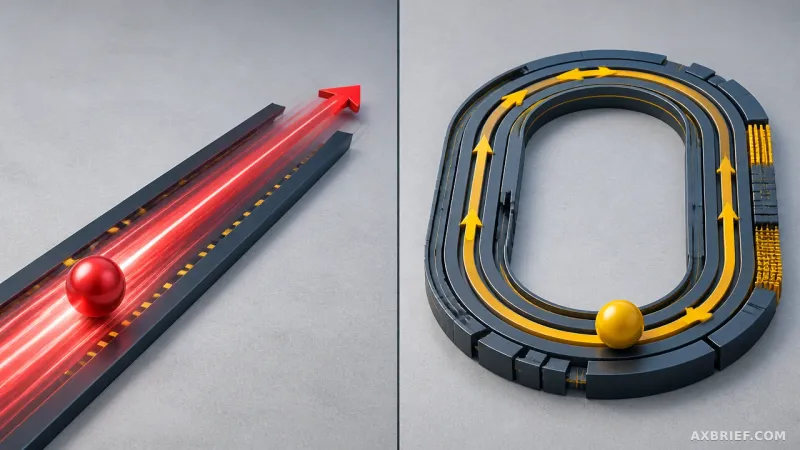
For years, deploying computer vision has been a gatekept process. Building a functional pipeline traditionally required massive upfront capital, dedicated data science teams, and months spent on model training and manual data labeling. This barrier to entry often sidelined smaller enterprises and agile teams. Amazon Nova 2 Lite, now available via Amazon Bedrock, fundamentally changes this dynamic by shifting the focus from infrastructure management to prompt-based configuration. Developers can now deploy object detection applications in hours rather than months, replacing fixed capital expenditures with a pay-as-you-go API model.
Natural Language as the Detection Engine
Section 1
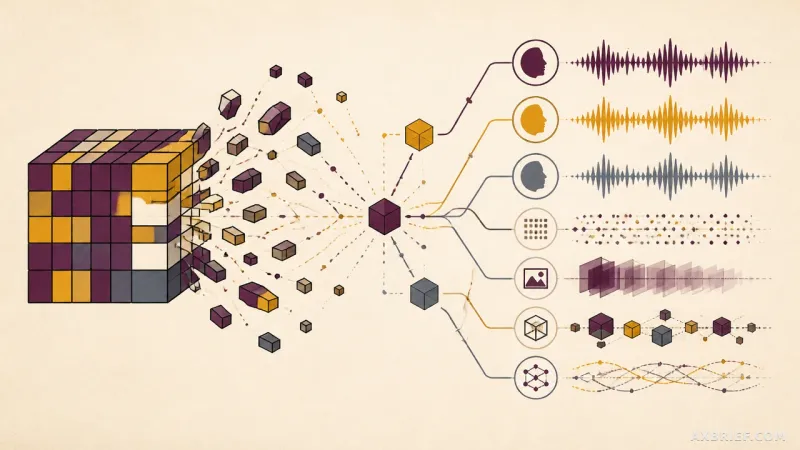
Amazon Nova 2 Lite operates on a zero-shot architecture, meaning it identifies objects within images based solely on natural language input without requiring fine-tuning. When a user provides a prompt—such as "vehicle," "person," or "dent"—the model immediately identifies the target and returns the coordinates in a structured JSON format. The model dynamically configures elements and schema variables within the prompt template based on the specific category requested. This flexibility allows the same pipeline to handle diverse use cases, from detecting surface scratches in manufacturing to monitoring crop health in agriculture. Even with small, distant, or partially occluded objects, the model generates precise bounding boxes that align with object boundaries.
Section 2
The core difference lies in the integration layer. By utilizing the Bedrock Converse API, developers can build a serverless architecture where images and prompts are sent to the model via AWS Lambda. The model returns bounding box coordinates normalized to a range of 0 to 1000. Developers then perform a simple calculation to map these normalized values to the actual pixel dimensions of the source image. Because the entire stack is managed as Infrastructure as Code (IaC), teams can maintain version control and consistency across environments without ever needing to manage the underlying model weights or training loops.
Economic Impact and Scalability
The financial efficiency of Nova 2 Lite is best illustrated through its operational costs. For instance, processing 1.2 million high-resolution images captured by drones over a 20-week growing season on a 5,000-acre farm costs approximately $200. In a manufacturing context, a facility producing 10,000 parts per month—analyzing five images per part—would incur a monthly cost of roughly $8. This shift away from fixed server maintenance allows companies to pivot resources toward core business logic rather than AI maintenance. Whether identifying torn boxes in logistics or ensuring safety gear compliance on a construction site, the ability to update detection logic simply by changing a text prompt provides a level of operational agility that was previously unattainable for non-specialized teams.
By removing the technical and financial hurdles of traditional computer vision, Amazon Nova 2 Lite provides a direct path for businesses to integrate intelligent monitoring into their existing workflows.