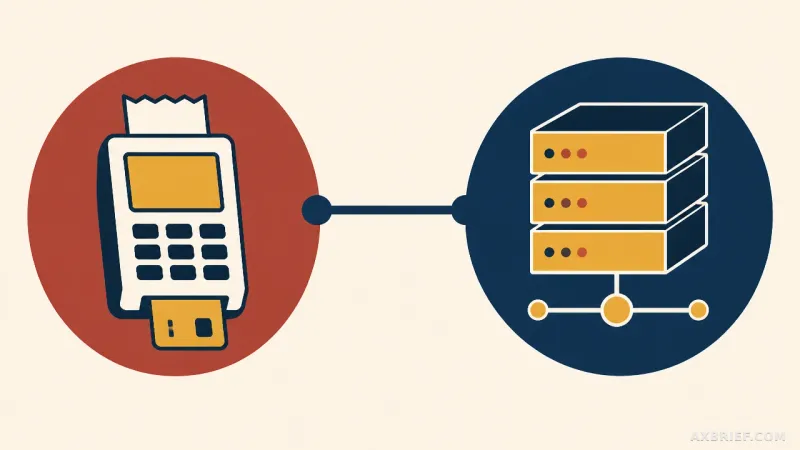
It is 2:13 AM when a distracted employee clicks a sophisticated phishing link. In a traditional setup, this would be a silent breach until a security analyst discovered the anomaly hours later. Instead, an AI agent detects the abnormal login behavior in real-time and immediately disables the compromised account. Without human intervention, the agent scans for lateral movement across other devices, opens a high-priority incident ticket in the management system, and blasts an emergency alert to the security team. By the time the human lead logs in at 8:00 AM, a full summary report of the incident and the initial remediation steps is already waiting in their inbox.
The No-Code Architecture of Custom Agents
This shift from passive observation to active execution marks the transition from the AI chatbot to the AI agent. While a standard chat application is designed for response-centric interactions—providing the best possible answer based on training data—an agent is designed for action-centric workflows. It does not just tell you when a project is overdue; it tracks the deadline, monitors the shared inbox for updates, and generates the necessary status reports. The entry point for this capability is now integrated directly into the Microsoft 365 Copilot ecosystem.
Users can initiate the creation of a custom agent by navigating to the Agents tab within the Copilot Chat menu and selecting the New Agent button. This interface removes the traditional barriers of API configurations and Python scripts, replacing them with a natural language environment. When a user describes the desired functionality in plain English, Copilot analyzes the request and generates a foundational draft of the agent's settings. From there, the Configure menu allows the user to codify the agent's behavioral guidelines, specifying the professional tone it must maintain and the exact sequence of tasks it must execute to ensure consistency across different sessions.
Before building from scratch, the ecosystem provides a store of prebuilt agents in the left panel of the Copilot interface. These serve as templates for common business needs, though the New Agent path remains the primary route for specialized, high-stakes tasks. For power users requiring granular control beyond the no-code interface, Microsoft provides separate developer tools, but the core value proposition for the general workforce remains the ability to turn a conceptual idea into a working prototype in minutes.
The Shift From Knowledge Retrieval To Job Execution
The critical distinction in building an agent is that the process begins with a job definition rather than a technical specification. The goal is not to build a tool that knows everything, but a tool that does one thing perfectly. This requires the user to define the desired output first: should the agent search for information, complete a specific task, or act independently? This conceptual shift transforms the AI from a general-purpose assistant into a specialized digital employee.
To ground these agents in corporate reality, users connect them to specific knowledge sources including SharePoint sites, company policy PDFs, emails, and internal websites. The agent can be configured to rely exclusively on this curated data or to blend it with broader web knowledge. This is managed via the Agent Builder page, where clicking the pencil icon next to the agent's name opens the editing suite. Here, users can upload documents directly or use the chat interface to guide Copilot in linking the necessary data repositories, ensuring the agent operates on the most current internal regulations rather than outdated training data.
Once the data is connected, the user defines the final output format. Depending on the objective, the agent can be restricted to producing reports, presentations, spreadsheets, or specific code snippets. To prevent the common pitfall of AI hallucinations, users can implement strict boundary conditions. For example, a user might instruct the agent to only review messages from the last seven days or explicitly forbid it from inferring information that does not exist within Teams messages and emails. This transforms the agent from a creative writer into a rigorous data processor.
In practice, this manifests in high-impact scenarios like weekly report automation. An agent can be tuned to scan the last week of Teams conversations and emails to extract key updates, decisions, and blockers. By filtering for specific project keywords, the agent strips away the noise of corporate chatter to produce a professional executive summary. Similarly, a shared inbox agent can categorize incoming mail into general inquiries, urgent issues, or complex requests, routing each to the appropriate stakeholder while auto-responding to standard queries with approved templates.
However, the real intelligence of an agent is not found in the initial setup but in the iterative tuning loop. When an agent makes an error—such as attempting to resolve conflicting information in an email thread—the user returns to the Configure menu to add a specific constraint, such as instructing the agent to flag contradictions rather than guessing the correct answer. If a report is too verbose, the user adjusts the instructions to mandate bullet points and a strict word count. The objective is not immediate perfection but the rapid deployment of a prototype that evolves through a short cycle of observation, error detection, and refinement.
This iterative approach turns the deployment of AI into a continuous improvement process, where the agent is refined by the very data it processes in the real world.