The modern urban commute is defined by a repetitive, almost subconscious friction: the constant reach into a pocket to retrieve a smartphone. Whether it is a quick glance at a map to confirm a turn or a brief check of a notification, the physical act of breaking eye contact with the world to engage with a screen has become the default mode of digital existence. This dependency creates a cognitive gap between the user and their environment. The promise of the next computing era is the elimination of this gap, moving the interface from a handheld slab of glass to the very lenses through which we perceive reality.
The Strategic Architecture of Android XR
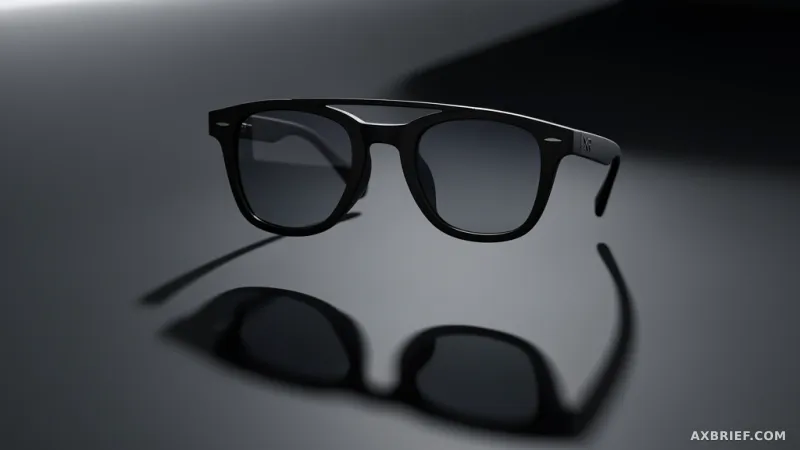
Google has officially unveiled its Android XR glasses lineup, but the most striking aspect of the announcement is not the hardware itself, but who is building it. In a departure from the vertically integrated approach seen with the Pixel line, Google is employing a strategy of strategic outsourcing. The company has partnered with Samsung, Gentle Monster, and Warby Parker to handle the design and technical execution of the frames. Under this division of labor, Google provides the underlying platform technology and AI orchestration, while the partners apply their respective brand aesthetics and manufacturing expertise.
This move addresses the primary failure of previous smart glasses: the social stigma of the wearable. By involving Samsung's hardware scale and the high-fashion identity of Gentle Monster and Warby Parker, Google is attempting to transform a piece of tech equipment into a standard fashion accessory. The goal is to lower the psychological barrier to entry, ensuring that the device feels like a pair of glasses first and a computer second.
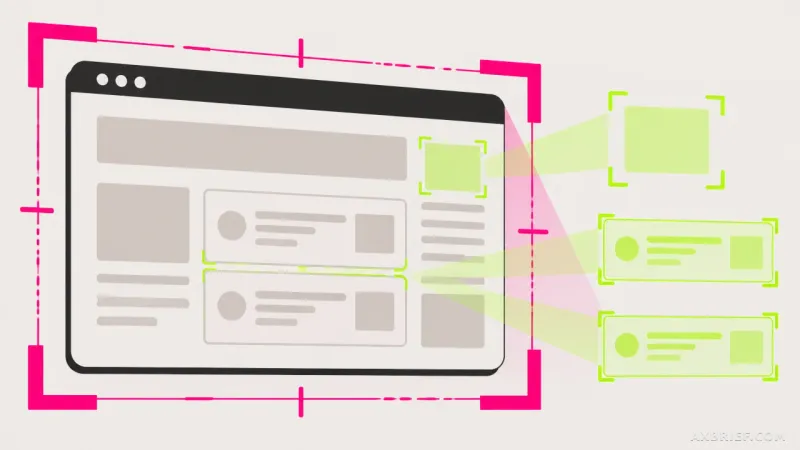
The product roadmap is split into two distinct functional tiers. The first is an audio-only model scheduled for release this fall. This version strips away the visual display to focus entirely on sound and AI interaction, minimizing the technical complexity and the physical bulk of the frames. The second tier consists of display-equipped models, which currently remain in the prototype stage. These prototypes utilize an in-lens display system that projects information directly onto the wearer's field of vision, allowing widgets and data to overlay the physical world.
Google is intentionally leading with the audio-only model to gather critical user data and gauge market appetite before committing to the mass production of the display versions. For the prototypes, the focus has remained on internal performance validation rather than final aesthetics. Google is currently experimenting with the correlation between display efficiency and battery longevity, suggesting that the final consumer version of the display glasses will likely differ significantly from the current prototypes. Sensors that detect whether the glasses are being worn are also being optimized for the production version.
Connectivity is another area where Google is breaking from the traditional walled-garden approach. Android XR glasses are designed to pair with both iOS and Android smartphones. This open-ecosystem strategy ensures that the potential customer base is not limited to Android users, allowing Google to capture iPhone users and accelerate the adoption of AI wearables across the entire smartphone market.
The Gemini Interface and the Cloud Dependency
Interaction with the device is centered on Gemini. A two-second press on the right frame activates the AI, signaled by a distinct chime that indicates the system is listening. Instead of waking a phone screen, the user is presented with an in-lens display where core widgets—such as weather updates, Uber ride status, or navigation prompts—appear as layers in the visual field. This represents a fundamental shift in interface priority, moving the primary point of control from the fingertip to the voice and the gaze.
Integration with Google Translate demonstrates a synchronization of visual and auditory inputs. When foreign speech is detected, the translated text flows across the lens in real-time while Gemini provides the translated audio simultaneously. This multi-modal approach is designed to reduce the cognitive load on the user, allowing them to process information through two channels at once.
Google Maps has been reimagined for a spatial context. Rather than relying on a 2D map, the glasses provide turn-by-turn directions that overlay the street. A key feature of this implementation is the blue dot; when a user looks down at the ground to orient themselves, the system projects a blue dot onto the actual pavement to mark their current location. Once the user looks back up, the system seamlessly returns to the navigation widget.
However, the technical reality of these features reveals a heavy reliance on cloud infrastructure. The image editing process, for example, follows a specific round-trip path: the user makes a voice request, the data passes through Gemini, and is then sent to the Nano Banana server for processing. The edited result is then sent back to the user's phone. In tests conducted in environments with high Wi-Fi load, this process took approximately 45 seconds. This latency highlights that high-level AI image manipulation still requires external server power, as the onboard hardware is not yet capable of handling such intensive compute tasks locally.
Furthermore, while the current prototypes feature a single display, the Android XR platform is engineered to support dual-display configurations. This flexibility allows Google to scale the hardware from simple audio aids to full augmented reality experiences without needing to rewrite the core OS.
The Shift Toward Eye-Level Computing
The design of the audio system marks a philosophical departure from existing wearables. While the transparency mode in AirPods uses microphones to digitally pipe in external sound, the Android XR glasses utilize an open-ear audio structure. This allows the user to hear the physical world naturally while receiving AI guidance, ensuring they remain connected to their surroundings. This is a strategic choice to prevent the isolation often associated with noise-canceling tech, making the AI a companion rather than a barrier.
This shift effectively moves the functionality of Google Lens from a handheld camera to a hands-free experience. The friction of pulling out a phone and framing a shot is replaced by a system that processes whatever the user is looking at in real-time. When the physical interface disappears, the speed of information acquisition increases exponentially.
Of course, the path to mass adoption depends on solving the power-to-size ratio. The energy consumption of in-lens displays remains the primary bottleneck for battery life. This is why the partnership with Samsung is critical; the ability to miniaturize components and manage thermal output is where hardware expertise outweighs software brilliance. If Google can solve the heat and power issues, the smartphone will be relegated to a background processing unit, while the glasses become the primary input and output window.
With Meta and Snap already aggressively pursuing the AI wearable space, Google is using its Trusted Tester program to refine the situational awareness of its AI. This is more than a product test; it is an attempt to define the standard for user experience in the post-smartphone era. The company that controls the visual interface of the user's gaze will effectively control the gateway to all digital information. By migrating its search dominance from the screen to the lens, Google is attempting to secure the final territory of the human interface.