A solo founder sits before a laptop on a Friday afternoon, juggling a dozen open browser tabs. In one window, an AI tool generates a sleek, modern logo. In another, a different platform builds a high-converting landing page. A third tool churns out a series of vibrant social media banners. Individually, each asset is a masterpiece of generative efficiency, polished and professional. Yet, when placed side-by-side, the cohesion vanishes. The blue of the logo does not quite match the navy of the website, and the minimalist typography of the banners clashes with the bold headers of the landing page. It looks less like a unified company and more like a collection of disparate freelancers who never spoke to one another.
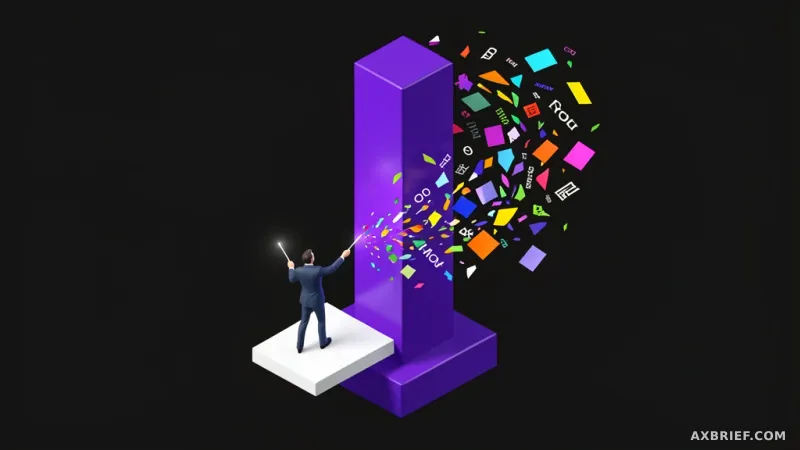
This is the paradox of the generative era. The barrier to entry for high-quality design has collapsed, allowing anyone to produce a full marketing suite in a single afternoon. However, as the cost of production drops to near zero, the difficulty of maintaining a coherent brand identity has spiked. When every tool operates in a vacuum, brand identity fragments. The very speed that allows a founder to scale their visual presence also accelerates the rate at which their brand becomes diluted. The industry is now seeing a shift in demand: developers and designers are no longer searching for the AI that makes the prettiest image, but for the system that can bind a thousand fragmented outputs into a single, coherent narrative.
Design.com and the Evolution of Integrated Brand Systems
The current landscape of AI design is characterized by extreme fragmentation. For years, the workflow was linear: a creative agency or an internal team spent weeks defining a visual language before a single asset was produced. Today, generative AI has compressed that timeline into seconds. We can now generate logos, websites, social campaigns, and pitch decks almost instantaneously. But this efficiency comes with a hidden cost. Because most AI tools treat each request as an isolated event, the visual language drifts. A logo created in one tool lacks the DNA required to inform the layout of a website created in another. For a startup or a solo entrepreneur, this visual dissonance is not just an aesthetic flaw; it is a business risk.
Large enterprises mitigate this through rigorous brand governance and dedicated design teams who act as human filters, manually ensuring that every pixel aligns with a corporate handbook. Small teams do not have this luxury. They rely entirely on their digital touchpoints to establish legitimacy. When those touchpoints are inconsistent, the brand appears amateurish, regardless of how polished the individual assets are. The traditional solution—the brand style guide—is also failing. A PDF document listing hex codes and font families was designed for a slow cycle of human review. It cannot keep pace with an AI that generates hundreds of design variations in real-time. The governance must move from a document that people read to a system that the AI follows.
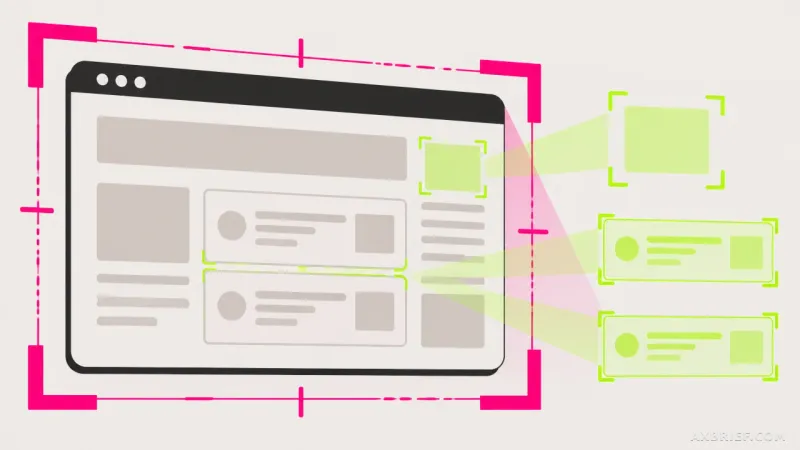
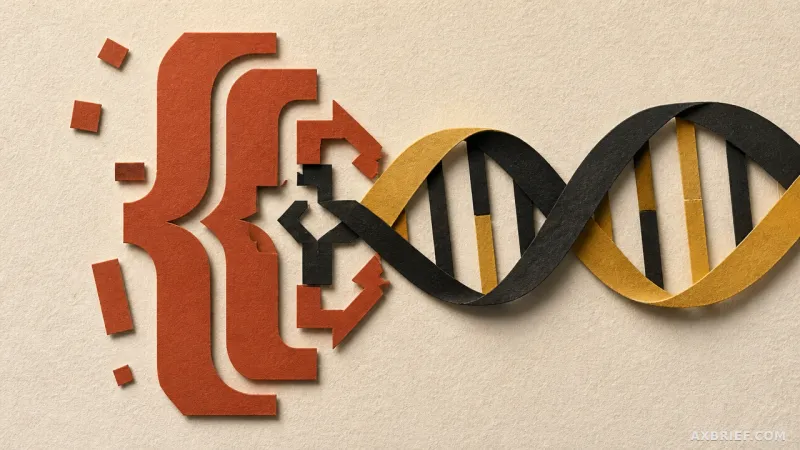
Design.com is addressing this by pivoting from a collection of individual generation tools to a unified brand orchestration platform. Instead of treating a logo or a website as a standalone project, the platform establishes a shared root of truth. The process begins by defining the core brand identity: the specific typography, the precise color system, and the overarching stylistic direction. This identity is not a suggestion; it is the foundation of the system. Once these parameters are set, they automatically propagate across every subsequent asset. Whether the user is generating a social media graphic or a formal business proposal, the system pulls from the same central identity. This transforms the act of creation from isolated asset generation into brand orchestration, where one central decision governs an entire ecosystem of outputs.
From Static Style Guides to Embedded Governance
There was a time when a designer kept a style guide open on a second monitor, manually checking that the logo size was correct and the hex codes were exact. This manual verification was possible because the volume of assets was manageable. In the current AI-driven environment, that workflow is physically impossible. When an AI can deploy a hundred different ad variations across five different channels simultaneously, the human-in-the-loop model for consistency becomes a bottleneck. The conversation among developers has shifted from how to improve the quality of a single output to how to control the scale of the output without losing the brand's soul.
This shift represents a fundamental transition from external guidelines to embedded governance. In the old model, the rules existed outside the production process, and humans were responsible for applying them. In the embedded model, the rules are baked into the generation process itself. The system is designed so that it is structurally impossible to produce an asset that violates the brand's core identity. This is the difference between a map and a GPS; one tells you where to go, while the other actively steers you in the right direction. For the solo founder, this systemic control is the only way to prevent their brand from dissolving into a blur of generic AI aesthetics.
Integrated Brand Orchestration, as championed by platforms like Design.com, replaces the fragmented approach of building a logo, then a website, then a marketing kit. Instead, it creates a real-time transfer of identity. A change in the core color palette at the root level instantly ripples through the website, the social graphics, and the presentation decks. This orchestration does more than just save time; it builds institutional trust. When a customer experiences a brand that is perfectly synchronized across every single touchpoint, they perceive a level of professionalism and stability that suggests a much larger, more organized operation. The competitive advantage has shifted from the ability to produce volume to the ability to maintain coherence at scale.
The Trust Crisis in the Age of Zero-Cost Content
For the modern micro-entrepreneur, the digital interface is the entire brand. There is no physical storefront or handshake to establish credibility; there is only the sequence of micro-interactions a user has with the company. A user might first encounter a brand through a sponsored Instagram post, then click through to a landing page, and finally receive a follow-up email or a PDF proposal. Each of these is a micro-interaction. If the image on Instagram feels like it belongs to a different company than the landing page, or if the email uses a font that clashes with the proposal, a subconscious trust deficit is created. The user does not necessarily notice the hex code mismatch, but they feel a sense of inconsistency that translates to a lack of professionalism.
This is the trust crisis of the AI era. Because it is now so easy to look professional on a surface level, surface-level professionalism is no longer a differentiator. When anyone can generate a beautiful image, beauty becomes a commodity. The new premium is consistency. For a new company fighting for legitimacy in a crowded market, the ability to send a unified signal across all channels is the most powerful tool for establishing authority. Fragmentation suggests a lack of system, and a lack of system suggests a lack of reliability.
As the cost of content generation continues to trend toward zero, the strategy of simply increasing volume is a race to the bottom. The brands that will survive and scale are not those that produce the most content, but those that maintain the clearest identity. Design.com's move toward brand orchestration recognizes that the goal of a design tool is no longer just speed—it is the preservation of trust. By ensuring that every AI-generated asset is a perfect reflection of a single, central identity, the platform allows small players to project the stability and sophistication of a global enterprise.
In a world of infinite generation, the only thing that cannot be automated is the trust earned through a consistent and reliable brand experience.