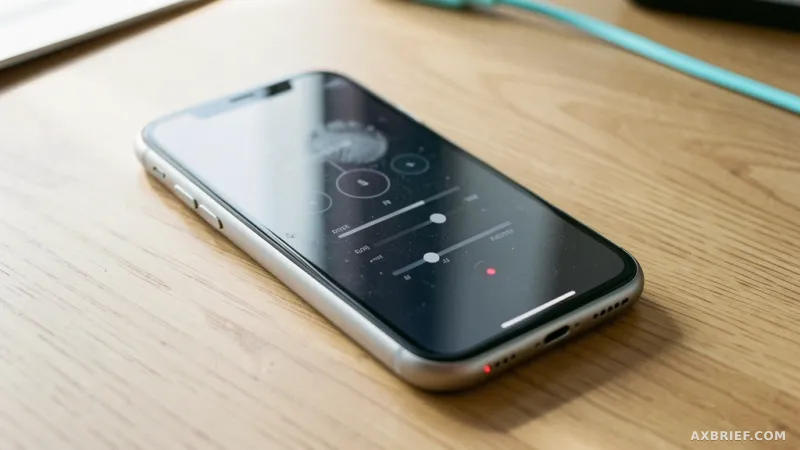
The friction between human expectation and machine delivery often centers on the cadence of a voice. For years, digital assistants have been tethered to rigid, pre-programmed speech patterns that rarely account for the user's personal preference or the context of a conversation. With the release of iOS 27 developer beta 3, Apple is finally addressing this disconnect by unlocking granular controls for Siri’s speaking pace and emotional expressivity.
The Shift to Fine-Tuning
In the initial developer beta versions, the voice control interface remained dormant, marked with a placeholder indicating that these features were coming soon. The latest update changes that, granting users the authority to move beyond selecting a static AI persona. Instead of choosing from a fixed list of voices, users can now engage in a process of fine-tuning, adjusting the output characteristics of the AI to better suit their individual needs.
Alongside these voice enhancements, the update includes broader system changes, such as a redesigned icon for the Reminders app. However, the transition has not been entirely seamless. Some users have reported system instability following the update, including intermittent loss of Siri access and unexpected re-indexing of data. This re-indexing, which serves as the foundation for Siri’s search optimization, appears to be triggering temporary system conflicts as the AI recalibrates its local data structures.
From Presets to Personalization
Previously, the customization of AI voices was limited to picking from a handful of pre-defined options. Apple’s new approach in iOS 27 beta 3 fundamentally changes this dynamic. After selecting a base voice, users are presented with sliders that allow for the precise adjustment of pace and expressivity. The pace slider dictates the speed of delivery, while the expressivity slider modulates the level of human-like emotional inflection in the voice. To ensure the settings meet user expectations, the system provides a real-time preview, allowing users to hear a phrase like "You have one new message" as they tweak the parameters.
This evolution mirrors trends seen in other advanced AI models. Since December 2025, OpenAI’s ChatGPT has allowed users to adjust traits like warmth and enthusiasm, moving beyond simple pitch or tone shifts to influence how information is presented. By allowing users to design the personality of their AI assistant, Apple is acknowledging that the effectiveness of an interface is no longer defined by the manufacturer's standard, but by the user's ability to tailor the experience to their specific context.
Rebuilding Siri for Natural Interaction
By centering Siri on generative AI, Apple is working to bridge the gap between machine-like utility and human-like intimacy. This strategy recognizes that sensory familiarity—how an AI sounds and reacts—is often more critical to service adoption than the underlying technical complexity. In the updated iOS environment, Siri is deeply integrated into the operating system, offering multiple ways to engage: through voice commands, by swiping down from the Dynamic Island, or via the newly introduced standalone Siri app.
This diversification of interaction methods ensures that users can communicate with their AI in the way that feels most natural for their current environment. As AI interfaces continue to evolve, the ability to calibrate these systems to match human communication styles will become the new benchmark for user experience. For those currently running the beta, navigating to the voice feedback settings to find a custom pace and expressivity level is the most effective way to experience this shift firsthand.