For the past few years, the primary interaction with artificial intelligence has been a digital dialogue trapped within a browser tab or a mobile app. We have grown accustomed to the blinking cursor and the static text box, treating the most powerful models in history as sophisticated search engines or ghostwriters. However, a palpable shift is occurring in the developer and consumer landscape. The industry is moving away from the screen, seeking a way to integrate AI into the physical environment not as a tool we visit, but as a presence that coexists with us. This transition from software-as-a-service to ambient hardware marks the next frontier of the AI race.
The Architecture of a Physical ChatGPT
OpenAI is actively pivoting toward the physical world with the development of its first hardware device: a mobile, screenless smart speaker. This move represents a fundamental shift in the company's business strategy, transitioning from a reliance on monthly subscription fees to a model that includes the direct sale of physical products. The device is designed to function as a synchronized extension of ChatGPT, transforming the AI from a chatbot into a home-based companion. By intentionally omitting a screen, OpenAI is attempting to break the psychological barrier of the display, encouraging users to interact through voice and physical presence rather than visual interfaces.
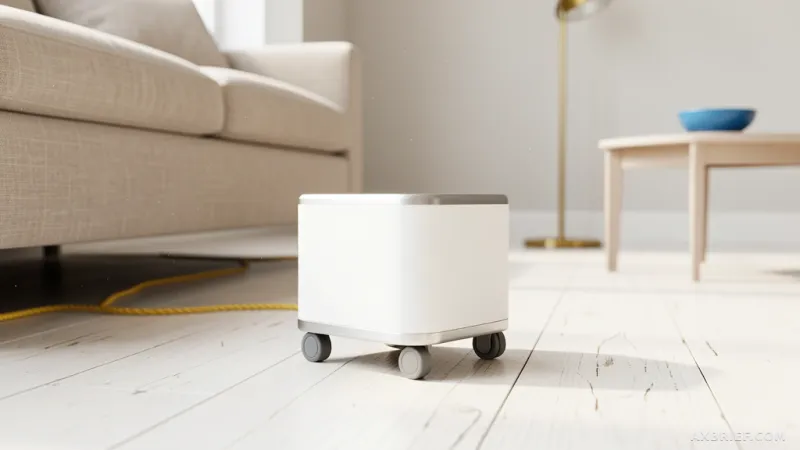
To ensure the device meets the rigorous standards of consumer electronics, OpenAI has recruited a team of former Apple engineers who played pivotal roles in the development of the iPhone and Mac. This strategic hiring is intended to bypass the common pitfalls software companies face when entering hardware manufacturing. By importing Apple's expertise in industrial design and mass-production pipelines, OpenAI aims to deliver a product that feels like a polished consumer appliance from day one, rather than a prototype. The goal is to create a device that does not just sit on a shelf but moves through the home, utilizing mechanical elements to provide a sense of agency and life.
From Command-Response to Proactive Companionship
What separates this device from the previous generation of smart speakers is the depth of its integration into the user's digital life. While traditional assistants like Alexa or Google Home operate on a command-response loop—waiting for a specific trigger word to perform a discrete task—OpenAI's hardware is designed for deep personalization. The device is engineered to access the user's digital records, including emails and daily logs, which serve as the most precise reflection of a person's life and preferences. By analyzing this data, the AI does not just answer questions; it learns the nuances of the owner's personality and habits, evolving its own character over time to become a tailored companion.
This intelligence is paired with physical movement, moving the interface entirely out of the digital realm. The inclusion of mechanical components allows the AI to respond to the user not just with sound, but with motion. When a user calls the device or when the AI detects a specific situational context, it can react physically, increasing the density of the interaction. This shift transforms the AI from a static tool into a proactive agent. The tension here lies in the move from utility to intimacy; by combining access to private digital histories with a physical body, OpenAI is attempting to redefine the relationship between humans and machines.
This ambition is mirrored by a surge of capital in the broader personal intelligence hardware market. Hark, an AI lab founded by Brett Adcock, recently secured over $700 million in Series A funding, reaching a corporate valuation of $6 billion. Hark is pursuing a similar vision: creating a universal interface between humans and machines through personalized intelligence hardware. The massive influx of capital suggests that the market views the physical embodiment of AI as the primary value driver for the next decade.
However, this rush toward physical interfaces has triggered a high-stakes legal war. Apple has filed a lawsuit against OpenAI, alleging that the company stole trade secrets to accelerate its hardware development. Apple suggests that the current allegations are merely the tip of the iceberg, implying a systemic leak of proprietary technology. OpenAI has countered this by arguing that its new product is fundamentally different in nature and design from anything Apple has released to the market. OpenAI maintains that its unique architectural approach makes the infringement of Apple's trade secrets highly unlikely. This legal clash is more than a corporate dispute; it is a battle over the intellectual property that will define how humans interact with AI in their homes.
As ChatGPT exits the chat window and enters the physical room, the metric for success is shifting. The industry is moving beyond the quality of a text response toward the quality of physical integration. The future of AI will not be decided by who has the largest parameter count, but by who can most seamlessly integrate data, motion, and personality into the physical spaces we inhabit.