For the past year, the smartphone industry has been locked in a race to see who can cram the most generative AI capabilities into a handheld device. Most of these efforts have resulted in the same predictable pattern: a chatbot integrated into the OS, a few AI-powered photo editing tools, and a voice assistant that is slightly more coherent than its predecessor. However, the community is beginning to realize that the real frontier is not the chatbot, but the interface. The industry is shifting toward AI that does not just respond to prompts, but actively perceives and interprets the physical world in real time.
The Hardware Foundation and Ecosystem Expansion
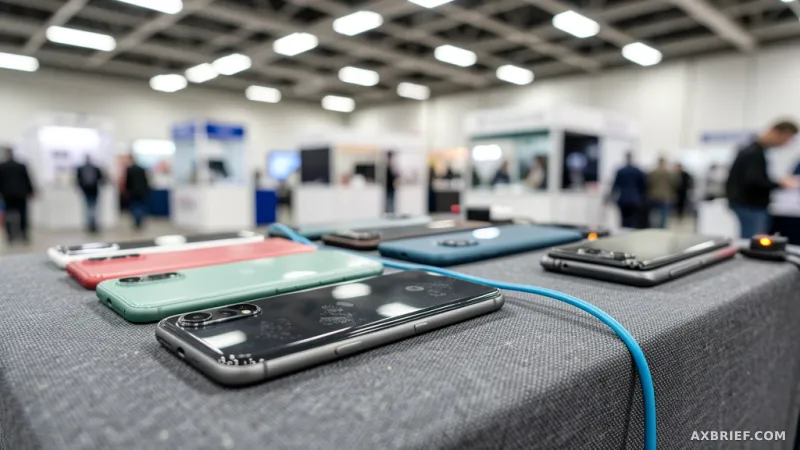
Google has officially unveiled the Pixel 11 series, a lineup that signals a clear shift toward premium positioning and rugged reliability. The entry price for the series has been adjusted to 899 dollars, a 100 dollar increase over the Pixel 10, which coincides with a doubling of the base storage capacity to 256GB. This price hike is justified by a significant overhaul in physical durability. Google claims the new series is up to 3 times more durable than previous iterations. Specifically, the Pixel 11 Pro and Pixel 11 Pro XL feature enhanced drop resistance and a new scratch-resistant coating that provides more than 2 times the scratch performance of the Pixel 10 Pro.
The Pixel 11 Pro Fold continues the trend of refinement over radical change, focusing on the physics of the foldable form factor. By introducing a glass fiber composite back cover, Google has reduced the likelihood of cracks, while a redesigned hinge makes the internal display 3 times stronger than before. The device is also approximately 10% lighter and 1mm thinner than the Pixel 10 Pro Fold, featuring slimmer bezels for a more immersive front-end design. On the imaging side, the Fold maintains a high-performance profile with a 48-megapixel main camera and a 30x Super Zoom capability.
Beyond the phones, Google is tightening its grip on the accessory ecosystem with the launch of the Pixel Tag. These small tracking devices integrate directly with the Android Find Hub to track keys, wallets, and luggage. They are priced at 29 dollars for a single unit or 99 dollars for a 4-pack. The integration here is deeply tied to the AI strategy; users with Pixel Buds can now use Gemini voice commands to locate their Pixel Tags or trigger a ringtone, effectively turning the AI assistant into a remote control for physical hardware.
Complementing the mobile lineup is a new generation of wearables. The 41mm model starts at 399 dollars, while the 45mm model begins at 429 dollars. For those seeking a premium aesthetic, a Stephen Curry edition is available for 579 dollars. The core value proposition of these wearables has shifted toward proactive health monitoring. Through the Google Health app, users now receive monthly summaries tracking blood pressure and insulin resistance trends, transforming the watch from a simple activity tracker into a longitudinal health monitoring tool.
From Generative Chatbots to Ambient Interfaces
While the hardware specs are impressive, the true pivot occurs in how Gemini is deployed. For several generations, AI in phones has been a destination—a place you go to ask a question. With the Pixel 11, Google is moving AI into the background of the user's sensory experience. The most striking example is the integration of American Sign Language (ASL) translation directly into the Pixel Camera. By leveraging a Live Transcribe extension, the camera can now capture ASL gestures and translate them into text in real time. This moves Gemini beyond the realm of text and voice, positioning it as a visual interpreter that bridges a critical communication gap.
This philosophy extends to the new Rambler voice input system. Most AI voice assistants struggle with the messy reality of human speech—the stutters, the fillers, and the circular phrasing that characterize natural conversation. Rambler is specifically designed to process this colloquial imperfection. Instead of requiring a polished prompt, Rambler understands the intent behind the rambling, filtering out the noise to capture the core meaning. This represents a shift from the user adapting to the AI's requirements to the AI adapting to human behavioral patterns.
Even the utility features are being streamlined to reduce friction. Circle to Search, which previously required a specific set of steps to activate, now has a shortened access path. Users can call the feature more directly from within the Pixel Camera app, reducing the number of steps between seeing an object in the real world and finding information about it online. This is paired with a physical redesign of the camera bar, which is now 40% thinner and finished with a full glass surface, ensuring that the hardware does not obstruct the software's goal of seamless interaction.
When viewed together, these updates reveal a clear trajectory. The increase in base storage and the focus on extreme durability are not just about luxury; they are about creating a stable platform for heavy, on-device AI processing. The transition from the Pixel 10 to the Pixel 11 is not defined by a faster processor or a slightly better screen, but by the transition of Gemini from a tool you use to a layer through which you experience the world.
Google is betting that the next phase of the AI smartphone is not about who has the smartest chatbot, but who can most effectively disappear the interface between the user and the machine.