The modern messaging experience has reached a plateau of static expression. For years, users have relied on a rotating cycle of emojis, GIFs, and sticker packs to convey emotion or nuance that text cannot capture. While these tools add color to a conversation, they remain two-dimensional artifacts that sit on top of a chat bubble. There is a growing appetite in the developer community for something more visceral, a way to project actual presence into a digital conversation without requiring the recipient to jump through the hoops of a complex installation process.
The Architecture of Frictionless AR
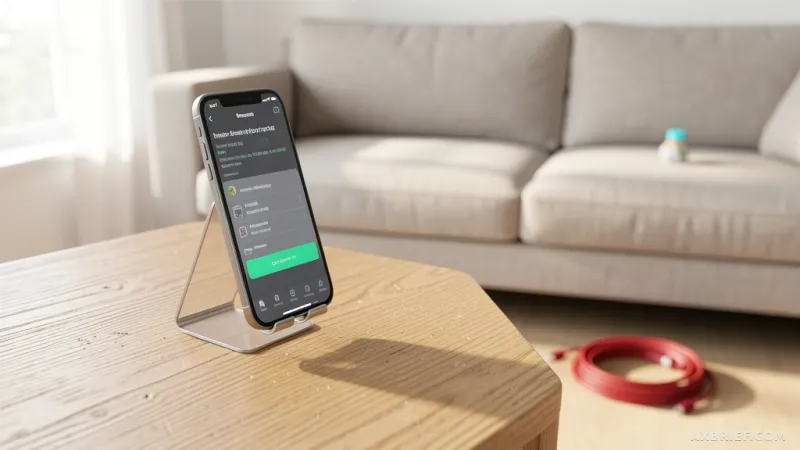
Pixi enters this space with a new iOS application that transforms the iMessage interface into a gateway for interactive augmented reality. The workflow is designed for maximum velocity: a sender utilizes the iMessage plus button to dispatch an AI-powered AR character to a contact. The critical innovation here is the removal of the receiver's barrier to entry. The recipient does not need to download the Pixi app to experience the content. Instead, they simply open the message and use their iPhone camera to bring the character into their physical space in real time.
Under the hood, Pixi relies on a tight integration of AR and on-device AI. Unlike cloud-based AI that suffers from latency and privacy concerns, Pixi processes visual and audio data locally on the device. This allows the characters to possess a level of environmental awareness that feels organic. For instance, a virtual cat character does not just float in space; it can recognize and react to a real dog walking past the camera. The AI is also capable of detecting human facial expressions, meaning a character might trigger a specific animation or conclude an action based on the user's smile.
Currently, the app offers a variety of characters including robots, cats, and animated envelopes. These entities are not merely visual ornaments; they exhibit autonomous behaviors such as voice responses or the ability to follow the user around the room. To deepen engagement, Pixi has integrated lightweight gaming mechanics into the experience, allowing users to play rounds of Tic-tac-toe or Whac-a-Mole within the AR session. The service is compatible with iPhone 11 and all subsequent models, ensuring the hardware can handle the local compute requirements of the on-device AI.
From Digital Stickers to Brand Ecosystems
While the immediate appeal of Pixi is its novelty, the underlying strategy points toward a fundamental shift in how we perceive digital gifting. Founder Mark Drummond describes this concept as pebbling, a term referring to the act of sharing small tokens of affection to maintain a social bond. By moving from a text-based celebration to a spatial character, Pixi is attempting to redefine digital presence. The goal is to move beyond the static image and create a sense of shared space, even when the participants are miles apart.
This shift creates a massive opening for a B2B marketplace. Pixi intends to build an ecosystem where independent creators, animation studios, and global brands can deploy their own proprietary characters. The potential for marketing is significant; rather than a traditional ad, a brand like M&M's could distribute a limited-edition character to coincide with a new flavor launch, turning a product announcement into an interactive event in the consumer's living room.
To prove the technical viability of this vision, Pixi is utilizing open IP from Alice in Wonderland. By deploying an Alice character that can recognize and interact with specific objects on a user's desk, the company is demonstrating to potential partners how brand mascots can bridge the gap between a screen and the physical world. The long-term roadmap includes a generative AI layer, which would allow users to define the appearance and personality of their own characters via text prompts, effectively democratizing the creation of AR agents.
For service planners and AI engineers, the most vital lesson from Pixi is the strategic elimination of the installation hurdle. Most interactive services fail because they demand too much from the recipient. By leveraging the native iMessage framework to deliver an app-less experience, Pixi maximizes its viral coefficient. Furthermore, the decision to keep AI processing on-device solves the dual problem of privacy and operational cost, as the compute burden is shifted to the user's hardware rather than a centralized server.
Pixi is currently focused on the iOS ecosystem, but the vision extends far beyond Apple's walled garden. The company has already signaled plans to expand to Android and integrate with global messaging giants like WhatsApp and Instagram. If successful, the combination of on-device environmental awareness and frictionless delivery could turn interactive AR into the standard grammar of digital communication.