Enterprise CTOs are currently navigating a precarious relationship with the giants of generative AI. For years, the industry has leaned heavily on closed-source models from the likes of OpenAI and Anthropic, but this dependence has created a systemic vulnerability. The risk is twofold: the sudden restriction of API access and the persistent anxiety that proprietary corporate data is being ingested to train the next generation of models. This tension has sparked a quiet but aggressive migration toward open-weight models, where the core parameters are public, allowing companies to host, modify, and secure their AI pipelines within their own walls.
The Industrialization of Open-Weight AI
Reflection AI, a startup founded in 2024 by two former Google DeepMind researchers, has entered this fray not as a lean experiment, but as a heavily capitalized contender. The company currently commands a market valuation of $8 billion, positioning itself as a primary alternative to the closed-ecosystem hegemony. To bridge the gap between open-weight accessibility and frontier-level performance, Reflection AI has secured a massive $1 billion computing infrastructure contract with Nebius.
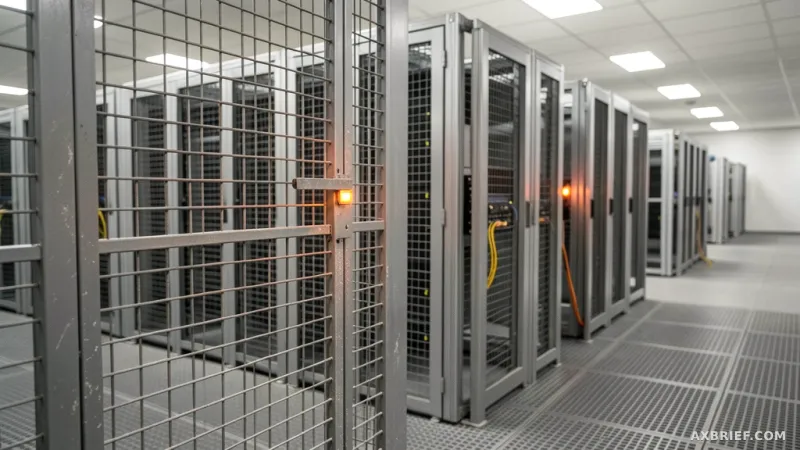
Nebius operates as a specialized infrastructure provider, delivering the high-performance servers and networking fabric essential for the training and inference of large language models. The scale of this partnership is backed by Nebius's proven track record with global tech titans. Nebius has previously demonstrated its capacity through a five-year agreement with Meta valued at up to $27 billion and a multi-year contract with Microsoft worth up to $19.4 billion. Furthermore, Nebius has secured a $2 billion investment from Nvidia, ensuring that its hardware stack remains at the absolute cutting edge.
Financial backing for Reflection AI extends beyond infrastructure contracts. The startup has raised a total of $2.6 billion in investment to fuel its development. Nvidia has taken a dominant role in this funding round, contributing $2 billion of the total. This strategic investment from the world's leading chipmaker is complemented by capital from top-tier venture firms, including Sequoia Capital and Lightspeed Venture Partners. By combining a $1 billion compute deal with $2.6 billion in liquid capital, Reflection AI is attempting to solve the primary bottleneck of open-weight development: the sheer cost of raw compute.
Erasing the Compute Gap
For a long time, the prevailing narrative in the AI community was that open-weight models would always be a step behind closed models. The logic was simple: the frontier of AI is defined by the amount of compute one can throw at a problem, and only a handful of trillion-dollar companies could afford the necessary clusters. Reflection AI is systematically dismantling this assumption by treating compute as a diversified portfolio rather than a single vendor relationship.
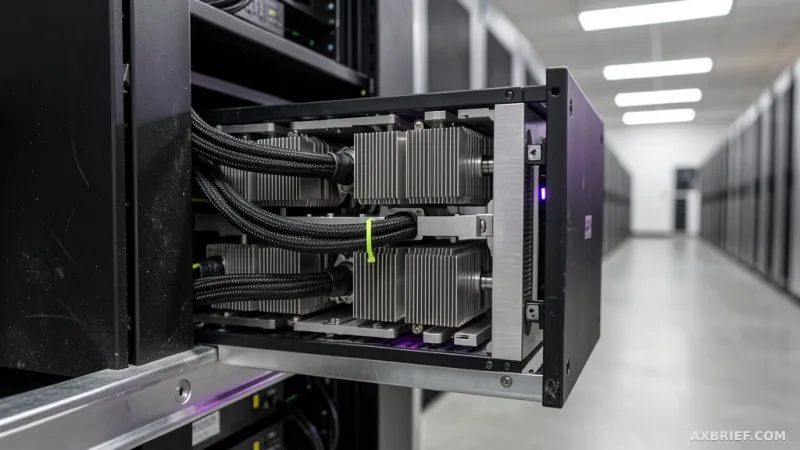
Through the Nebius agreement, Reflection AI gains direct access to Nvidia's latest chip architectures, removing the hardware constraints that typically throttle smaller labs. However, the strategy goes deeper than a single provider. Just weeks prior to the Nebius deal, Reflection AI signed a separate agreement with SpaceX to leverage its computing resources. By diversifying its infrastructure across multiple high-capacity providers, Reflection AI is insulating itself from the supply chain shocks and availability issues that have plagued the industry.
This shift signals a fundamental change in how AI superiority is measured. The competition is no longer solely about who has the most elegant model architecture or the most clever training trick. Instead, the battle has moved to the physical layer. The ability to secure billions of dollars in hardware and capital allows an open-weight developer to match the training intensity of a closed-source giant. When the weights are open, the only remaining moat for closed-source providers is the scale of their infrastructure. Reflection AI is betting that by matching that scale, they can render the closed-source moat irrelevant.
As the industry moves forward, the viability of open-weight models will be judged by their ability to deliver frontier performance without the restrictive guardrails and privacy risks of a proprietary API. With $1 billion in compute and a $2.6 billion war chest, Reflection AI has provided the blueprint for how an open model can actually compete on an industrial scale.