For thousands of patients worldwide, the most critical piece of medical equipment is not a ventilator or a dialysis machine, but a telephone. They live in a state of perpetual suspension, waiting for a call that notifies them a compatible organ has become available. This is the current reality of the organ transplant system: a high-stakes lottery where survival depends entirely on the tragedy of another. The bottleneck is not a lack of surgical skill or medical knowledge, but a fundamental failure of the supply chain. We are relying on a passive system of altruism to solve a systemic biological crisis.
The Shift From Xenotransplantation to Bio-Manufacturing
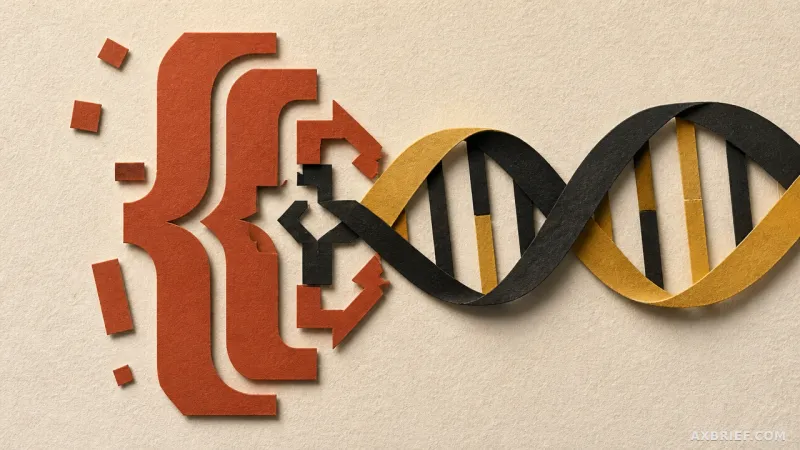
United Therapeutics is attempting to break this dependency by treating organ failure as a manufacturing problem rather than a scarcity problem. The company has already navigated the complex waters of xenotransplantation, where genetically modified pig organs are used to bypass the human immune system. Historically, the biological barrier between species made such transplants impossible due to immediate and violent rejection. However, by editing the porcine genome to remove triggers that alert the human immune system, the company and its peers have proven that cross-species transplantation is a viable bridge.
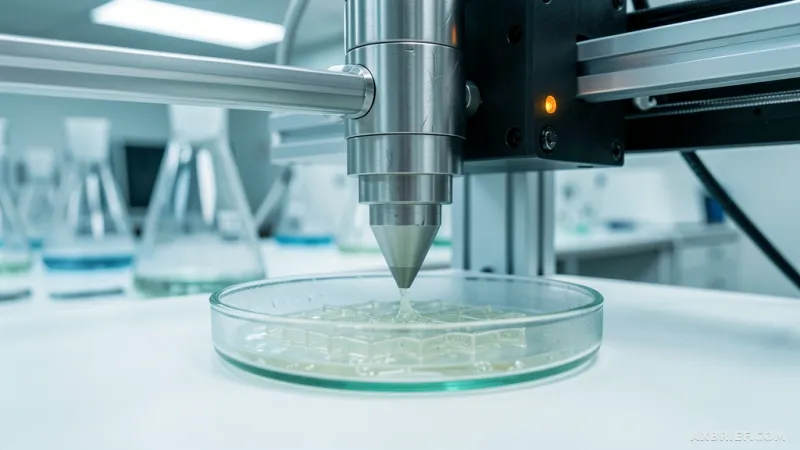
But United Therapeutics views genetically modified animals as a transitional phase. The ultimate goal is the total elimination of the donor. The company is currently investing heavily in 3D bioprinting technology, specifically targeting the development of functional lungs. Unlike traditional manufacturing, bioprinting involves the precise, layer-by-layer deposition of living cells and scaffolds to recreate the complex architecture of human organs. This approach aims to remove the physical constraints of organ availability entirely.
This vision is driven by a deeply personal catalyst. Martine Rothblatt founded the company after her daughter was diagnosed with a fatal lung disease. For Rothblatt, the inefficiency of the transplant waiting list is not just a systemic flaw but a personal enemy. Her objective is the creation of an unlimited supply of transplantable organs, effectively turning the medical facility into a production hub where a patient's own cells could potentially be used to print a replacement organ on demand.
The Industrialization of Human Biology
When we analyze this shift, the real story is not the biology, but the logistics. For decades, the organ transplant market has been a scarcity-driven ecosystem. The power resided with the donor and the triage committees that decided who lived based on a list of priorities. By introducing 3D printing, United Therapeutics is attempting to flip the script from a passive supply chain to an active, on-demand manufacturing model. This is a fundamental pivot from a gift economy to a production economy.
This drive to eliminate friction and latency is appearing across other high-tech sectors. In robotics, for example, the development of omnidirectional robots with 20 legs mirrors this obsession with efficiency. These machines, designed like mechanical sea urchins, can move in any direction without the need to rotate or pivot. By removing the time lost during directional changes, these robots maximize movement efficiency. Similarly, 3D bioprinting removes the "directional change" of the medical world—the agonizing wait for a donor—allowing the system to move directly from diagnosis to solution.
However, this leap toward industrial-scale biological production does not happen in a vacuum. As we scale these technologies, the hidden costs of progress become a focal point of global tension. This is evident in the recent warnings from UN Secretary-General António Guterres during London Climate Action Week. Guterres has called on AI companies to be transparent about the environmental costs of their operations, specifically the massive energy consumption and water usage required to cool data centers.
The parallel here is striking. Just as the AI industry is being forced to reconcile its computational leaps with its ecological footprint, the bio-tech industry must eventually reconcile its manufacturing leaps with the ethical and environmental costs of synthetic biology. The push for ESG transparency in AI is a precursor to the regulatory environment that will eventually govern on-demand organ printing. The ability to manufacture life-saving organs is a triumph of efficiency, but it also introduces a new set of systemic responsibilities regarding how these biological factories are powered and regulated.
Ultimately, the transition from pig organs to 3D-printed lungs represents the final stage of medical sovereignty. We are moving toward a world where the human body is no longer subject to the luck of the draw, but to the precision of the printer.