The modern developer's morning routine usually begins with a flood of new SaaS announcements. Every day, a fresh wave of subscription-based tools hits the market, promising to optimize workflows or automate the mundane. Yet, beneath the excitement of these launches, a growing sense of fatigue has settled over the community. Developers and users alike are beginning to voice a shared frustration: the obsession with monetization is actively eroding the user experience. In the midst of this trend, the creator of Nonograph, an open-source platform for personal blogs, has sparked a wider conversation by championing a philosophy of free distribution that defies current industry norms.
The Lean Architecture of Nonograph
Nonograph serves as a living case study in minimalist engineering, currently managing a load of hundreds of thousands of daily readers. While many modern platforms require massive venture capital injections just to clear the launch phase, the total cost to bring Nonograph to market was only 600 USD. The vast majority of this initial investment was not spent on flashy marketing or bloated infrastructure, but on two critical security reviews to ensure the platform's integrity. Once live, the operational overhead dropped to a staggering low, with monthly hosting costs hovering around 5 USD.
This efficiency is achieved through a streamlined technical stack. The developer utilizes three proxies to handle traffic management between the server and the client, ensuring stability without the need for complex, expensive load-balancing arrays. By stripping away the overhead associated with subscription management—such as payment gateways, billing cycles, and user tiering databases—the platform remains lean. The developer argues that many contemporary services introduce unnecessary subscription infrastructure that not only drives up development costs but also creates friction that encourages user churn. In the case of Nonograph, the absence of a profit motive allows the technical architecture to remain focused entirely on performance and reliability.
The Cycle of Enshittification
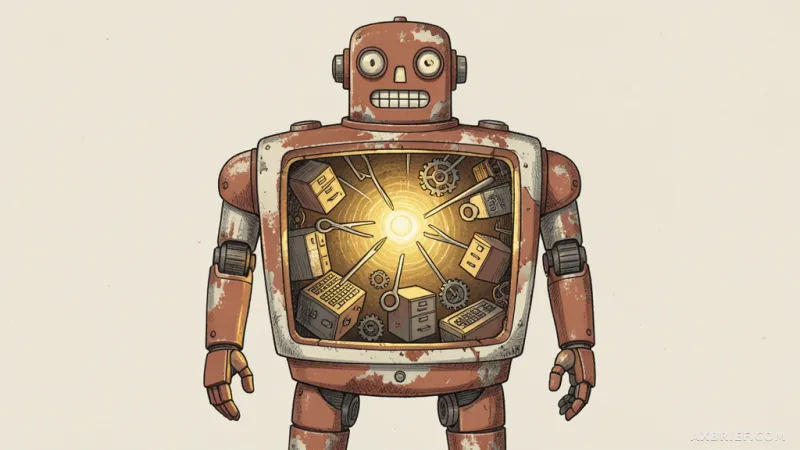
This lean approach is a direct response to a phenomenon the developer identifies as enshittification. In the early era of software, tools were primarily designed to solve problems and provide utility to the user. Today, however, a significant portion of software is engineered to satisfy the exit requirements of venture capital firms. This shift in priority creates a predictable and destructive trajectory for the product. A service begins by offering immense value to attract a user base, but once the market is captured, the focus shifts toward extracting maximum value from those users.
This extraction manifests as a gradual degradation of quality. Basic features that were once free are suddenly gated behind a paywall. Pricing models creep upward in incremental steps, moving from 9.99 USD to 11.99 USD, and eventually to 12.99 USD, often while simultaneously introducing intrusive advertisements. The current trend of forcing AI features into every interface is viewed as another symptom of this drive for monetization rather than a genuine attempt to improve utility. When a project is viewed through the lens of a quarterly earnings report, the software ceases to be a tool and becomes a vehicle for value extraction.
Beyond the product itself, this monetization pressure transforms the act of creation. The developer warns that when a passion project is forced into a subscription model, the joy of building disappears. The creative process is replaced by the stress of customer acquisition and the pressure to meet growth targets. What began as a hobby becomes a second job, where the primary goal is no longer to build the best possible tool, but to maintain a sustainable revenue stream for investors.
By redefining software development as a form of self-discovery rather than a financial instrument, a different set of priorities emerges. When coding is treated like painting or playing an instrument, the developer is free to accept small financial losses in exchange for creative freedom. Because there is no expectation of profit, there is no incentive to implement hostile design patterns or predatory pricing. This freedom leads to a superior product because the only metric for success is the utility provided to the user.
Most software projects, the developer suggests, do not actually require a team of three or more engineers to be successful. The challenge for the modern creator is to honestly evaluate whether their software is truly worth a price tag or if it is better served as a tool for personal exploration and community benefit. Choosing the latter path allows the developer to escape the cycle of enshittification and return to the original purpose of software: solving problems for the sake of the solution.
This shift toward minimalist, non-commercial software suggests a future where the most influential tools are those that refuse to be products.