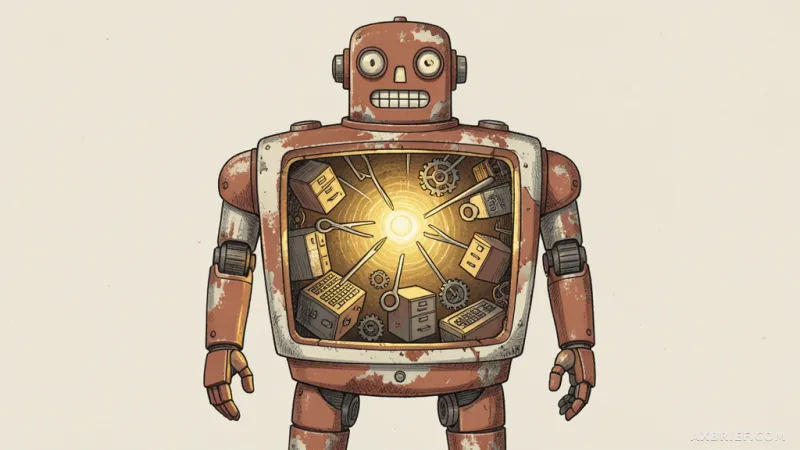
A developer sits in a shared office in Pangyo, the tech heart of South Korea, staring at an IDE where blocks of code materialize in real-time. There is no deep contemplation of architecture or manual typing of boilerplate; there is only the rhythmic press of the Tab key to accept suggestions from an AI. To an outside observer, this looks like the pinnacle of efficiency. To the engineer, it feels like flying. But beneath this seamless flow lies a quiet, systemic shift in how technical mastery is acquired and how long a career in software engineering can actually last.
The Productivity Paradox and the Cost of Abstraction
The integration of generative AI into the development workflow has sparked a fierce debate over the nature of learning. A growing contingent of engineers argues that by removing the friction of problem-solving, AI is effectively stripping away the learning opportunities essential for professional growth. When the AI provides the answer instantly, the developer skips the struggle, the failed attempts, and the deep debugging sessions that historically forged a senior engineer's intuition. The fear is that we are creating a generation of operators who can assemble components but cannot understand the underlying machinery, leading to a gradual atrophy of core technical competencies.
However, this anxiety is not new to the history of computing. The transition from Assembly language, where programmers had direct, granular control over hardware, to higher-level languages like C followed a similar trajectory. Programmers of that era became less effective at manual hardware manipulation, but their overall capacity to build complex, scalable systems increased exponentially. The shift from manual coding to AI-assisted orchestration is likely the next step in this long chain of abstractions. The question is not whether we are losing a specific skill, but whether the trade-off in productivity justifies the loss of depth.
For the individual developer, this creates a tension between short-term output and long-term cognitive health. If AI allows a developer to complete a week's worth of work in two days, the immediate professional reward is undeniable. Even if this reliance leads to a decline in independent problem-solving abilities over a decade, the short-term productivity gain is too great to ignore. It is a cognitive version of the construction worker who uses heavy machinery to move tons of earth; while the machine does the work, the physical and mental toll of maintaining that pace of production remains, and the reliance on the tool becomes absolute.
The Shift Toward a Professional Athlete Model
The real danger emerges when this productivity pressure intersects with the economic reality of the tech industry. In most traditional crafts, there is a trajectory of increasing value as an artisan gains experience. In the AI era, the gap between a junior developer using a powerful model and a senior developer using the same model narrows significantly. When the tool provides the baseline of expertise, the premium paid for decades of experience begins to shrink. This creates a market where the ability to produce high volumes of code quickly is valued more than the slow, methodical wisdom of a veteran.
Unlike other high-paying professions, software engineering lacks the institutional safeguards that prevent a race to the bottom. Because the work is digital and can be performed remotely from anywhere in the world, the labor market is hyper-competitive and fragmented. There are no powerful unions to negotiate the pace of work or protect the long-term career health of the engineer. The individual is left to navigate a landscape where the employer demands the maximum output the AI can provide, regardless of whether that pace is sustainable for a forty-year career.
This environment is pushing software engineering toward a model previously reserved for professional athletes. A pro athlete enters their prime early, maximizes their earning potential through intense, high-output performance in their twenties and early thirties, and then faces a sharp decline in utility as their physical capacity fades. They do not expect to play until they are sixty; they earn a lifetime of wealth in a fifteen-year window and then transition out of the game.
Software engineering is beginning to mirror this lifecycle. The AI-augmented developer can achieve staggering levels of productivity in their youth, riding the wave of new tools to secure high compensation and rapid promotion. But as the tools evolve and the baseline for entry rises, the cognitive atrophy caused by over-reliance on AI may lead to a premature plateau. The veteran who once provided irreplaceable architectural wisdom may find themselves replaced by a younger, faster operator who can prompt the latest model more efficiently. The career is no longer a marathon of steady growth, but a high-intensity sprint with a defined expiration date.
Software engineering is evolving from a lifelong vocation into a high-stakes professional sport where the window of peak performance is narrowing.