Every developer knows the specific frustration of the flow-state collapse. You are deep in a complex refactor, the logic is finally clicking, and the AI is anticipating your next three moves with precision. Then, without warning, the screen flashes a rate limit notification. The session freezes, the momentum vanishes, and a high-stakes coding sprint turns into a waiting game. For teams managing enterprise-scale repositories, these artificial ceilings are not just inconveniences; they are structural bottlenecks that dictate the pace of software development.
The Colossus 1 Integration and Immediate Capacity Boosts
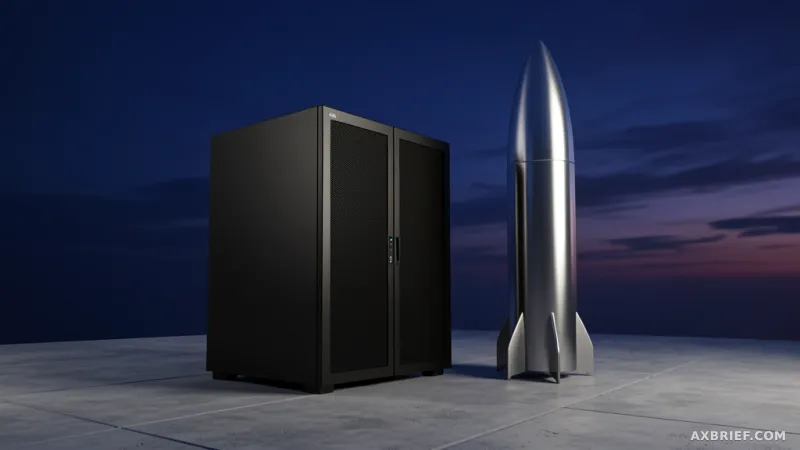
Anthropic is addressing this friction by fundamentally altering its infrastructure backbone through a strategic partnership with SpaceX. The core of this expansion is the full utilization of the Colossus 1 data center, a move that injects a massive amount of raw compute into the Claude ecosystem. Within a single month, Anthropic will integrate over 300 megawatts of new computing capacity and deploy more than 220,000 NVIDIA GPUs. This is not a gradual rollout but a systemic upgrade designed to eliminate the scarcity that has historically plagued high-end LLM usage.
This hardware surge translates into immediate, tangible changes for the user base. Starting today, Anthropic has doubled the usage limits for Claude Code—the terminal-based coding assistant—across Pro, Max, Team, and Enterprise tiers, specifically targeting the 5-hour usage window. Furthermore, the company has completely abolished peak-time usage restrictions for Pro and Max accounts, ensuring that performance remains consistent regardless of global traffic spikes. For developers relying on the highest-tier reasoning capabilities, the API call limits for Claude Opus have also been significantly increased, allowing for more intensive automated workflows and larger-scale batch processing.
From Raw Compute to Infrastructure Agnosticism
While the headline focuses on the sheer volume of GPUs, the real shift lies in how Anthropic is diversifying its operational risk. The reliance on a single hardware provider is a liability in the current AI arms race. To counter this, Anthropic is implementing a hybrid hardware strategy, blending SpaceX's resources with AWS Trainium and Google TPU. By distributing workloads across different chip architectures, the company is moving toward a state of infrastructure agnosticism where the service is no longer beholden to the supply chain of a single vendor.
This strategy extends beyond hardware to geopolitical compliance. To support industries with rigid data residency requirements, such as healthcare and finance, Anthropic is expanding its regional infrastructure across Asia and Europe. This move addresses the critical issue of data sovereignty, ensuring that sensitive information remains within specific legal jurisdictions while still benefiting from high-performance compute. The ecosystem is also expanding its utility through the release of 10 new Cowork and Claude Code plugins, full integration with Microsoft 365, and the introduction of Model Context Protocol (MCP) apps tailored for the insurance and financial sectors. The tension has shifted from whether the model is smart enough to whether the infrastructure is stable and compliant enough to be trusted with enterprise core logic.
Anthropic is now positioning itself to move beyond terrestrial constraints by envisioning gigawatt-scale AI computing infrastructure in orbit through its continued collaboration with SpaceX. This long-term trajectory suggests that the current limit increases are merely the first step toward a future where compute is an abundant, rather than scarce, resource.