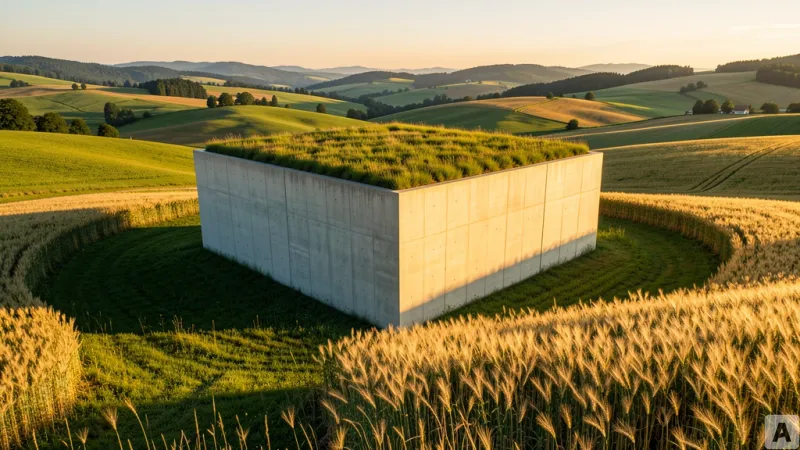
European developers have long operated under the shadow of physical distance, constantly battling the latency inherent in routing traffic to distant regions in Germany or France. For businesses in Austria, this meant that real-time AI model inference and large-scale cloud operations were perpetually hampered by the physical gap between their local infrastructure and the nearest Google Cloud data centers. This week, Google finally addressed this bottleneck, announcing plans to establish a new, permanent foothold in the shadow of the Alps.
Scaling Infrastructure and Local Economic Impact
Google has officially confirmed the construction of its first data center in Kronstorf, Austria. This project represents a significant expansion of the company's European footprint, moving beyond simple server capacity to integrate directly into the local technological ecosystem. According to the official project disclosure, the facility is expected to create 100 direct jobs, providing a tangible boost to the regional economy. The data center is designed to meet stringent European environmental standards, incorporating advanced cooling technologies and energy-efficient hardware to minimize its carbon footprint. While Google has not yet released the specific timeline for full operational capacity or the exact server specifications, the facility is intended to significantly increase the availability and reliability of Google Cloud services across the region. This investment marks a departure from the reliance on cross-border data transit, positioning Austria as a critical node in Google's European network.
The Strategic Decentralization of European Cloud Infrastructure
Historically, cloud infrastructure in Europe was concentrated in major Western European hubs, where power availability and existing fiber backbones dictated site selection. However, the current landscape has shifted; the primary competitive advantage is no longer just power, but proximity. By placing infrastructure closer to the end-user, Google is directly tackling the latency issues that plague modern AI-driven applications. This shift toward the Alps is not merely a geographic expansion but a fundamental change in how Google approaches its network architecture. By moving away from a centralized model toward a more distributed, regionalized approach, the company is laying the groundwork for a more robust edge computing environment. This strategy ensures that data processing happens as close to the source as possible, which is essential for the low-latency requirements of modern machine learning workloads and real-time enterprise applications. The decision to invest in Kronstorf suggests that Google views regionalized infrastructure as the next frontier in maintaining its competitive edge in the cloud market.
Physical proximity to the data center has become the definitive factor in determining the performance and viability of modern digital services.