In the high-stakes world of consumer goods, a single typo on a milk carton or a misaligned specification can trigger a costly recall or a production delay. For Dos Pinos, the Costa Rican dairy cooperative, the manual verification of packaging designs had become a bottleneck that slowed down innovation and introduced human error into the supply chain. This week, the organization revealed that it has successfully integrated AI agents to automate these critical checks, fundamentally altering how its design and operations teams function.

Scaling AI Agents with Microsoft Copilot

Dos Pinos initiated its digital transformation by deploying Microsoft Copilot to over 1,000 employees, with a roadmap to scale the technology across the entire organization by 2026. The cornerstone of this initiative is Copilot Studio, which allows internal teams to build custom AI agents tailored to specific business needs without requiring deep software engineering expertise.

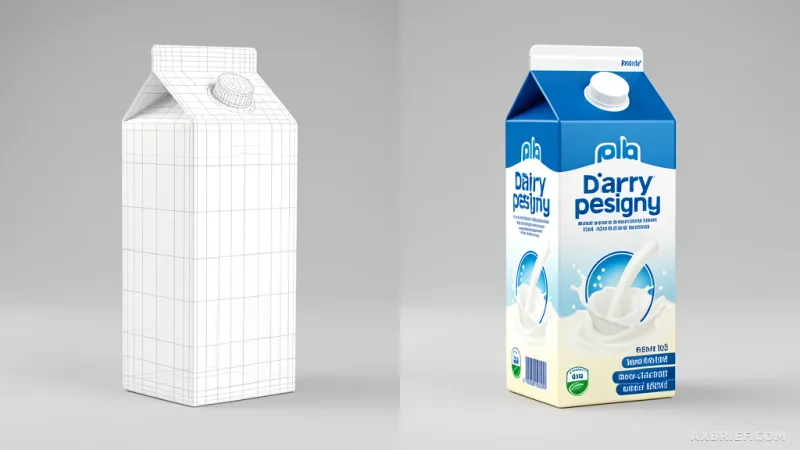
To address packaging errors, the company developed a specialized agent governed by a precise set of approximately 250 instructions. This agent acts as a digital auditor, cross-referencing technical specifications against proposed artwork to flag inconsistencies. Crucially, the system does not operate autonomously; it functions as a support layer, providing designers with detailed analysis reports that highlight potential issues for human review. To ensure adoption, Dos Pinos established a program of 15 internal AI ambassadors who act as subject matter experts, training colleagues and accelerating the integration of these tools into daily workflows. The company is now expanding this framework to optimize logistics and manufacturing data systems.

Redefining Operational Agility

Beyond the immediate reduction in packaging errors, the shift has fundamentally changed the nature of work at Dos Pinos. Previously, analysts spent four hours every morning manually downloading sales data and distributing reports to 100 stakeholders. By integrating Power BI Service with Copilot, this process is now fully automated. This transition has liberated staff from repetitive data processing, allowing them to pivot toward high-value tasks like strategic dashboard development and performance indicator analysis.

For designers, the change is equally profound. The stress of manual proofreading has been replaced by an AI-assisted workflow where the agent identifies numerical or formatting discrepancies in seconds. This shift has resulted in a 10-day reduction in the product time-to-market, a significant competitive advantage in the fast-moving dairy industry. The barrier to entry for building such automation has effectively collapsed; where once complex coding was required, employees now leverage natural language prompts and structured data to build their own operational tools. This transition marks a shift from centralized IT development to a decentralized model of innovation, where those closest to the problems are empowered to build the solutions.

By decentralizing the creation of AI tools, Dos Pinos has transformed its operational culture from reactive manual labor to proactive strategic management. This shift suggests that the future of industrial efficiency lies not in replacing human expertise, but in equipping every department with the tools to automate its own unique bottlenecks.