A user uploads a photo to a popular Korean community board, expecting it to appear instantly for thousands of peers to see. In the milliseconds between the click of the upload button and the image appearing on the screen, an invisible layer of neural networks is now dissecting every pixel. This silent gatekeeper is not looking for spam or copyright violations, but for the telltale signs of synthetic manipulation and illicit content. The era of the open, report-based upload is ending, replaced by a regime of preemptive, automated scrutiny.
The Shift to Total Image Scanning
The catalyst for this systemic change is the alarming surge in digital sex crimes, specifically the proliferation of deepfakes. For years, Korean online forums operated on a reactive moderation model where content remained public until a user reported it as harmful. However, the speed and scale of AI-generated illicit imagery have rendered this manual approach obsolete. The current social climate has created a consensus that waiting for a report is no longer a viable safety strategy.
In response, Korean online platforms are moving toward the implementation of AI censorship tools designed for total image scanning. Unlike previous filters that targeted known hashes of illegal content, these new systems are tasked with the real-time analysis of every single image uploaded to the platform. The goal is a comprehensive filter that can identify inappropriate content the moment it hits the server, blocking it before a single human eye ever sees it. This transition marks a fundamental change in how digital content is governed in the region, moving from a post-publication correction model to a pre-publication prevention model.
The New Cost of Digital Governance
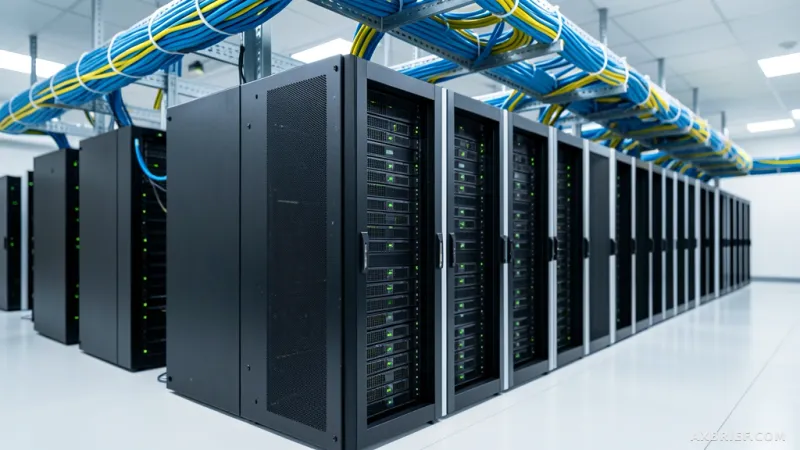
This shift introduces a critical tension between platform accessibility and operational viability. For years, the cost of moderation was primarily human labor, which could be scaled or outsourced. Now, the burden is shifting toward compute. When every single image upload requires an inference pass through a sophisticated image-analysis model, AI censorship ceases to be an optional security feature and becomes a fixed operational cost. Platform operators must now treat AI inference as a utility, similar to server hosting or bandwidth, effectively creating a mandatory AI tax on community management.
This evolution reveals a deeper realization within the tech ecosystem: the tools used to create harmful content are evolving faster than the human ability to report them. By mandating total scans, platforms are admitting that the volume of synthetic media has surpassed the capacity of human moderation. The result is a landscape where the safety of the community is directly tied to the efficiency of the underlying AI model. The tension no longer lies in whether to censor, but in how to afford the compute required to do so without crashing the platform or compromising user experience.
As the boundary between organic and synthetic media continues to blur, the invisible AI filter is becoming the only viable line of defense for the modern digital square.