A public relations specialist in South London describes a recurring scene that has become the new norm in the tech circuit. Whenever the word AI is mentioned in a pitch, the response from reporters is often a visible, audible eye-roll. This specialist, who manages a portfolio of technology and design firms, observes a widening chasm between what companies actually build and how they describe those builds to the world. The tension is no longer just about marketing puffery; it is about a systemic attempt to claim a technical lineage that does not exist.
The Mechanics of AI Washing
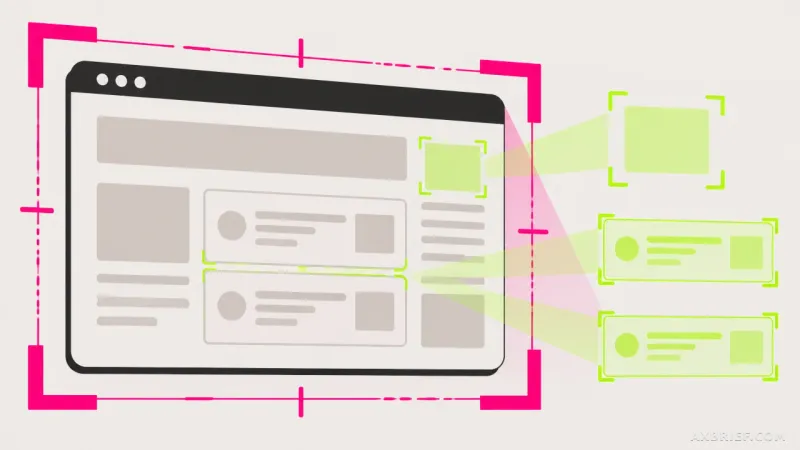
This phenomenon is known as AI washing. It occurs when companies in low-tech industries or those utilizing basic automation tools demand that their PR teams reposition them as AI-specialist firms. These companies are not deploying neural networks or large language models; instead, they are taking software and automation processes they have used for years and slapping an AI label on them to capture the current market zeitgeist. The goal is rarely technical accuracy and almost always symbolic status. By claiming the AI mantle, executives hope to signal to investors and the public that they are at the forefront of the most significant technological shift of the decade.
This pressure creates a volatile environment for the communications professionals tasked with selling these narratives. While executives insist that AI must be integrated into every product name and press release, the journalists receiving these pitches are increasingly skeptical. There is a paradoxical desire among leadership: they want the prestige of being seen as expert commentators on the AI revolution, yet they lack the underlying infrastructure to support that claim. This drive for relevance often overrides the risk of being exposed as fraudulent.
This shift in corporate identity also reveals a hardening attitude toward the workforce. The drive to be an AI company often coincides with a dehumanized view of labor. The CEO of Standard Chartered recently exemplified this trend by describing employees who might be replaced by AI as lower-value human capital. Although the CEO issued an apology for the remark shortly after, the phrasing provides a transparent look at how the AI narrative is being used to justify aggressive restructuring and the devaluation of human expertise.
The Absurdity of the Pivot
The scale of this rebranding effort extends across wildly different sectors, often leading to absurd conclusions. In the retail space, the footwear company AllBirds reportedly shifted its strategic direction last month specifically to secure GPUs, the hardware essential for AI training, regardless of whether the core product—shoes—requires such compute. In the medical field, genetics companies are now framing standard blood tests as AI-driven innovations to enhance their perceived value. The trend has even reached the most mundane of consumer goods, with recent press releases promoting AI-powered basketball hoops and AI-driven lasers designed to protect women from predators on crowded subway platforms.
These examples highlight a fundamental shift in how products are defined. The value is no longer in the utility of the tool, but in the vocabulary used to describe it. A telling case involves a real estate firm attempting to market a handheld scanner as an AI tool. The device scans buildings to generate floor plans, a process that is essentially a sophisticated form of automation. While the company argued that some AI elements might speed up the processing, the core functionality remains a traditional scanning process. The attempt to label it as AI was not about the software's capability, but about the market's reaction to the word.
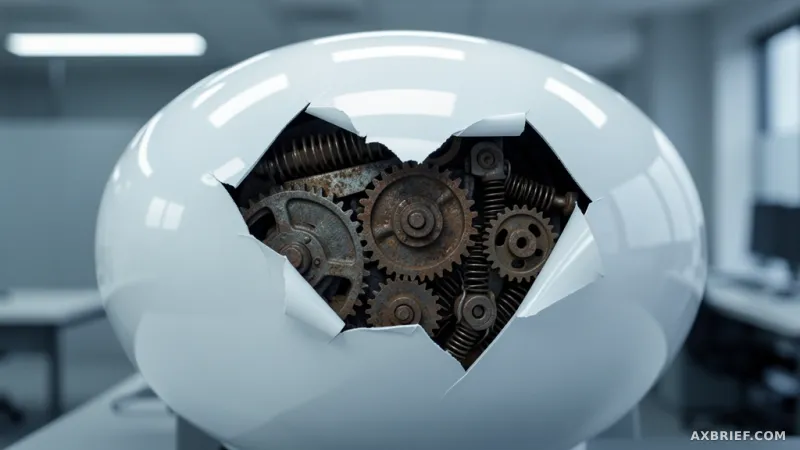
This creates a dangerous feedback loop. When simple automation is rebranded as intelligence, the term AI loses its technical meaning and becomes a mere marketing buzzword. The gap between the technical reality—a scanner that draws lines—and the marketing rhetoric—an intelligent AI system—becomes a void that journalists and savvy consumers are now beginning to call out. The industry is moving from a phase of genuine discovery into a phase of performative intelligence, where the appearance of innovation is more valuable than the innovation itself.
The market is rapidly approaching a breaking point where the label of AI will no longer provide a premium if the underlying product remains a simple script.