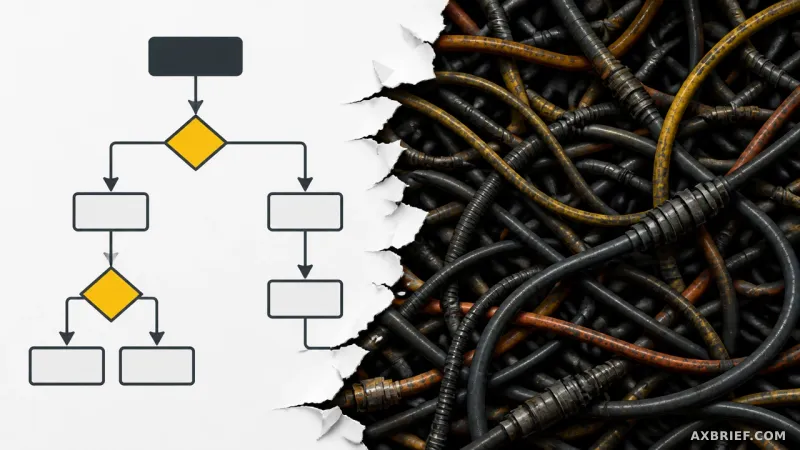
The developer community is currently witnessing a tension between the raw power of command-line interfaces and the accessibility of graphical environments. While AI agents like Claude Code have pushed the boundaries of autonomous coding, they primarily live in the terminal, requiring a level of comfort with CLI syntax that remains a barrier for many. This week, the shift toward a more intuitive experience accelerated with the introduction of a tool designed to bridge this gap without sacrificing the underlying engine's capabilities.
The Architecture of Show GN
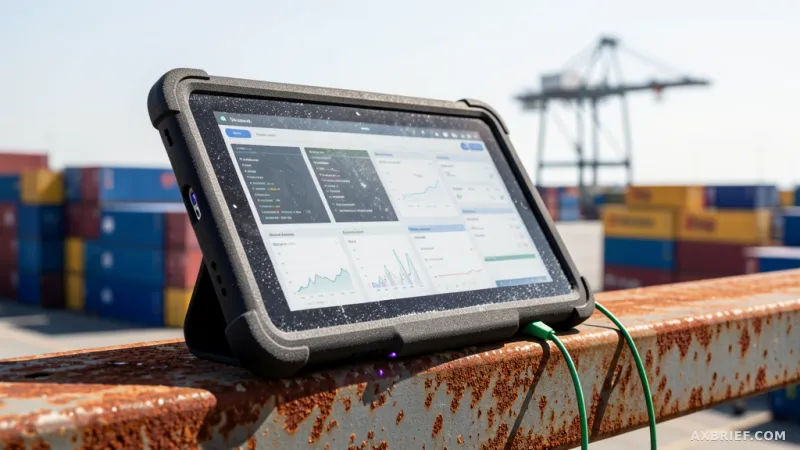
Show GN is a dedicated GUI application that wraps Claude Code and Codex CLI, transforming the terminal-based interaction into a visual workspace. The application targets Windows 10 and 11 users, providing a streamlined environment where developers can read and modify code without launching a full-scale integrated development environment. One of the primary friction points in AI tool adoption is the management of API keys and environment variables, but Show GN bypasses this by utilizing standard OAuth login protocols. This allows users to authenticate through their existing accounts rather than manually configuring secrets.
Upon the first launch, the application automatically handles the installation of the latest engine, ensuring the user is running the most current version of the underlying AI tools. To enhance the coding experience, Show GN incorporates a file explorer and a viewer powered by the Language Server Protocol (LSP). This integration enables professional-grade navigation features, such as symbol hovering and go-to-definition, which are typically absent in basic CLI wrappers. For aesthetic customization, the app supports JetBrains color themes, allowing developers to maintain a visual environment consistent with their preferred coding tools.
Beyond the Visual Wrapper
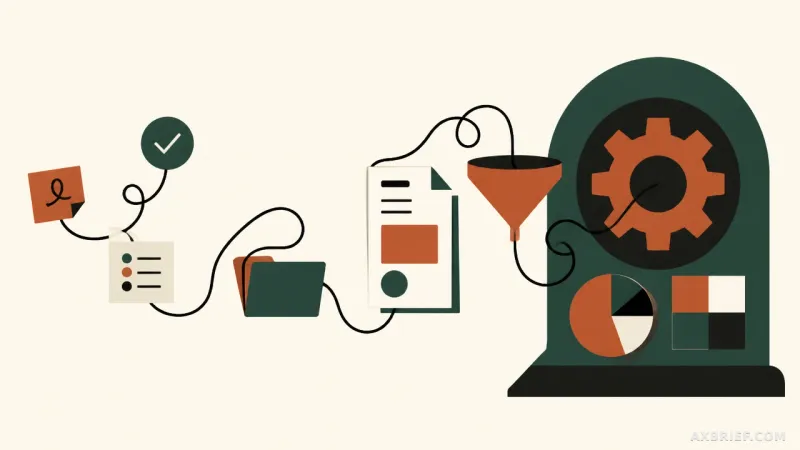
While the addition of a GUI provides immediate accessibility, the real shift occurs in how Show GN handles the developer's workflow. The application does not simply mirror the terminal; it integrates deep version control capabilities. Git commit history and branch management are consolidated into a single screen, where Claude can directly author commit messages and execute push and pull operations. This transforms the AI from a code generator into a project manager that understands the temporal state of the repository.
Furthermore, Show GN introduces a multi-agent operational model. Users can open multiple panels, assigning different folders and different AI models to each. This capability allows a developer to orchestrate a complex workflow where one agent analyzes a legacy module in one directory while another implements a new feature in a separate branch, all within the same visual interface. By decoupling the agent from a single terminal session, the tool creates a lightweight orchestration layer that provides the organizational benefits of a heavy IDE without the associated resource overhead.
This evolution suggests a future where the power of CLI-based AI agents is decoupled from the terminal itself, allowing the interface to adapt to the user's cognitive load rather than forcing the user to adapt to the machine's constraints.