The digital landscape has entered an era of systemic distrust. Every high-resolution image, corporate SVG, or polished PDF now carries an invisible question mark: was this crafted by a human professional or generated by a prompt in a chat window? As generative AI integrates into professional workflows, the industry is shifting away from the futile attempt to guess if content is AI-generated and moving toward a framework of verifiable provenance. This week, the conversation has centered on how the biggest players in the LLM space are attempting to sign their work without compromising the privacy of the people using their tools.
The Architecture of AI Provenance
Anthropic has introduced a verification tool designed to determine if a file was created or processed by Claude. Rather than relying on probabilistic detection—which often yields false positives—the tool utilizes the C2PA standard. The Coalition for Content Provenance and Authenticity (C2PA) is an open industry specification used by camera manufacturers and image editing software to embed digital labels directly into a file's history. By adopting this open standard, Anthropic ensures that its AI-generated content can be identified not only by its own tools but by any third-party software that recognizes the C2PA protocol.
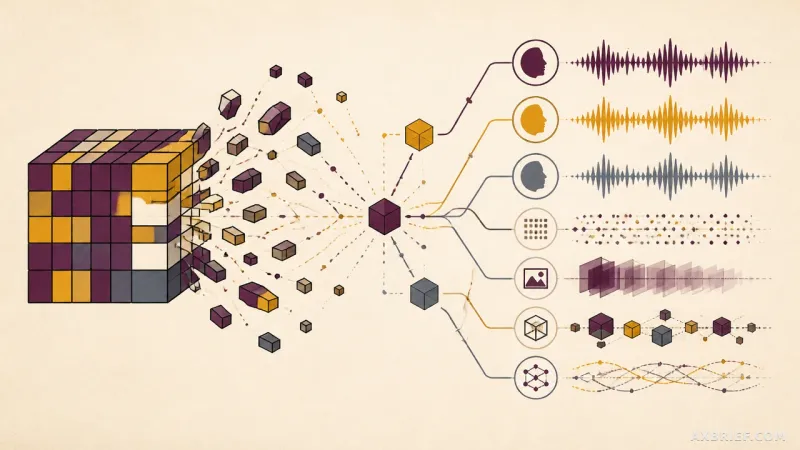
When Claude generates a file in formats such as .png, .jpg, or .svg, the system attaches an encrypted digital signature to the file's metadata. This signature acts as a permanent ledger, recording that the AI was involved in the creation process. Because this information is embedded within the file itself, the provenance data persists even when the file is copied or moved across different platforms. This approach aligns Anthropic with other industry leaders, including OpenAI and Google DeepMind, whose Gemini models also adhere to C2PA standards to create a unified ecosystem of AI content identification.
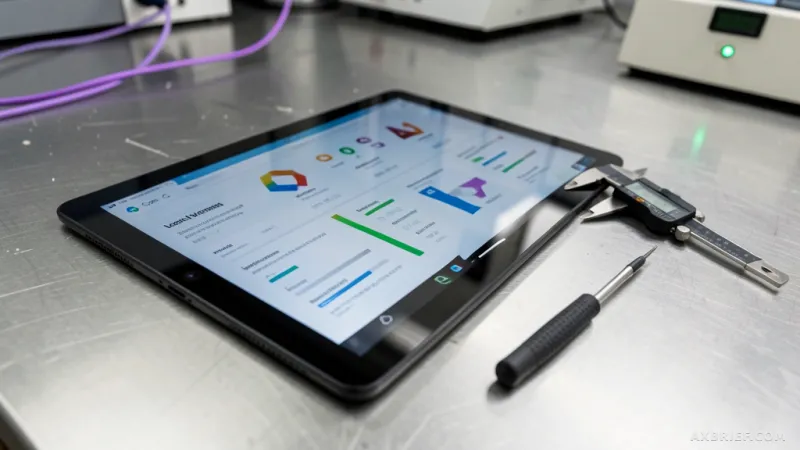
To address the inherent tension between transparency and privacy, the verification tool operates entirely within the user's web browser. When a user uploads a file for inspection, the processing happens locally on the device. The file is never transmitted to an external server, ensuring that sensitive corporate documents or private images remain secure while the tool scans for the C2PA signature.
The Divide Between Metadata and Watermarking
While the C2PA tool provides a transparent window into file origins, a critical distinction exists between how the system handles files and how it handles raw text. The browser-based tool is effective for images and vectors because they support metadata containers. Text, however, lacks a standardized metadata shell, requiring a fundamentally different approach known as watermarking.
Text watermarks are invisible patterns embedded in the token distribution of the generated output. Unlike the C2PA signatures found in .png or .jpg files, these watermarks cannot be detected by a standard browser tool. Instead, Anthropic manages text verification through a private Detection API. This interface is not available to the general public; it is provided as a restricted preview to qualified organizations, a move driven largely by the stringent legal requirements of the European Union regarding AI transparency and safety.
This creates a two-tiered system of verification. For visual assets, the process is open, local, and standardized. For text, the process is centralized, gated, and proprietary. This divergence highlights the technical difficulty of marking text without degrading its quality or making the watermark easy to strip away through simple paraphrasing.
Furthermore, there is a vital conceptual gap in what these tools actually prove. The C2PA tool identifies the tool, not the author. It can confirm that Claude was used to generate a specific image, but it cannot reveal which user issued the prompt or the specific identity of the person who downloaded the file. The system proves the involvement of the AI, but it does not provide a digital identity for the human operator.
This distinction transforms the tool from a forensic instrument for identifying individuals into a transparency layer for the medium itself. It solves the problem of whether a file is AI-generated, but it leaves the question of authorship untouched, maintaining a wall between content provenance and user anonymity.
This shift toward standardized provenance suggests a future where the authenticity of a digital asset is no longer a matter of opinion, but a verifiable attribute of the file itself.