The modern internet is beginning to feel like a hall of mirrors. For developers and AI researchers, the web is no longer a pristine reservoir of human thought but a churning sea of synthetic echoes, where LLM-generated articles are scraped to train the next generation of LLMs. This feedback loop has created a quiet panic in the valley. The industry is realizing that the very tool they built to scale knowledge is now polluting the source material. This desperation for purity has pushed the race for data beyond the digital realm and back into the physical world, where the only remaining sanctuary of untouched human intelligence exists in ink and paper.
The Mechanics of Project Panama
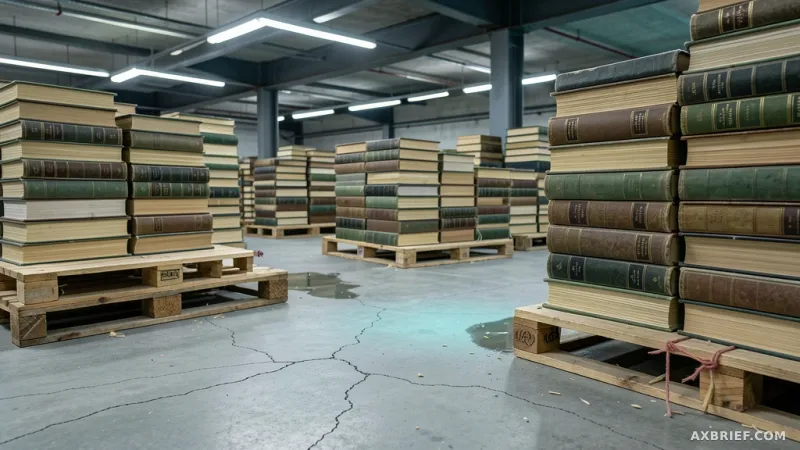
Amidst a complex legal landscape involving a 1.5 billion dollar copyright settlement process, Anthropic has been operating a clandestine initiative known as Project Panama. Launched in early 2024, the project represents a massive pivot in how the company fuels the evolution of the Claude LLM. Rather than relying on the precarious legality of web scraping, Anthropic allocated tens of millions of dollars to a physical acquisition strategy. The objective was simple yet aggressive: purchase millions of physical books through intermediaries, digitize them at scale, and then destroy the original copies.
This was not a random acquisition of literature. The project specifically targeted records and publications from before 2022. This date serves as a critical threshold in the AI timeline, marking the era before generative AI reached mass adoption and began flooding the internet with synthetic text. By focusing on pre-2022 materials, Anthropic sought to secure data that was untouched by machines. The process turned physical books into disposable vessels; once the knowledge was extracted into a digital format for training, the physical medium was discarded, effectively erasing the original artifact from existence to ensure the digital copy remained a proprietary asset.
From Accessibility to Digital Monopoly
This shift reveals a fundamental change in the logic of AI development. For the first decade of the deep learning boom, the primary challenge was accessibility. The goal was to find the most efficient way to crawl the open web and process massive datasets. However, as we enter 2025, the challenge has shifted from accessibility to monopoly. With more than half of new internet content expected to be AI-generated by early 2025, the scarcity of pure human-authored data has reached a breaking point. This has triggered the risk of model collapse, a phenomenon where AI models trained on synthetic data begin to lose their grip on reality, amplifying errors and losing the nuance of human language.
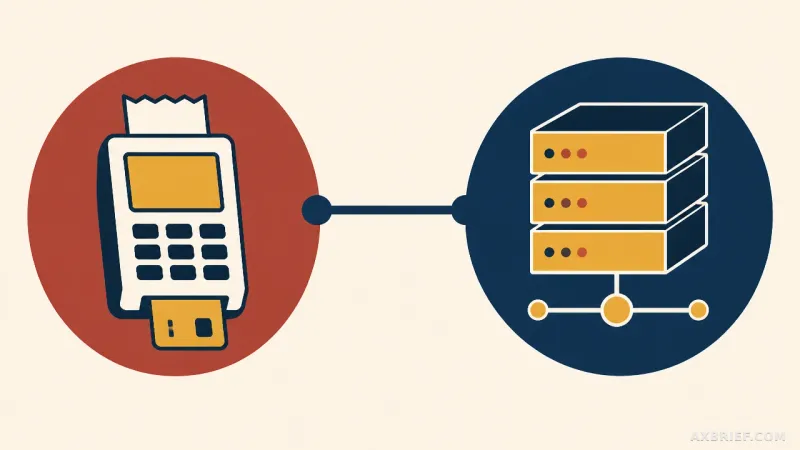
By purchasing physical books and destroying the originals, Anthropic is not just acquiring data; it is attempting to establish a unique digital ownership of knowledge. When a company buys a physical book, they own that specific copy. When they digitize it and destroy the original, they move the knowledge from a public or semi-public physical space into a private server. This creates a closed-loop system where the most high-quality, uncontaminated training data is locked behind corporate firewalls. The tension here is between the traditional view of knowledge as a common human heritage and the new corporate view of knowledge as a raw material for compute.
This aggressive privatization has sparked a counter-movement. Anna's Archive, the world's largest shadow library, has responded by calling upon a global network of volunteers to scan and upload rare books, academic journals, and newspapers from libraries and archives. Their mission is a direct reaction to Project Panama. By creating a permanent, public digital record of these works, they aim to prevent AI corporations from monopolizing human knowledge through the destruction of physical assets. The conflict is no longer just about copyright law; it is a battle over who controls the archive of human civilization.
For AI practitioners and enterprises, this signals a new era of data sourcing costs. The financial burden of training high-performance models is expanding beyond GPU clusters and API fees to include the acquisition of physical assets. The risk is no longer just legal, but reputational. When the process of improving a model involves the literal destruction of books, the conversation shifts from intellectual property to cultural heritage. Companies must now weigh the performance gains of pre-2022 data against the social backlash of knowledge privatization.
The race for the last remnants of human-authored data is transforming the library into a mine, and the book into a disposable fuel source.