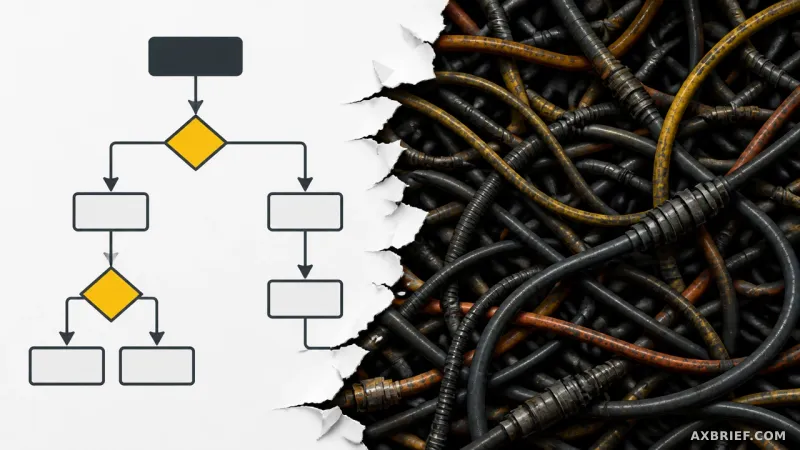
The modern developer's workflow is currently defined by a frantic, repetitive dance of Alt-Tabbing. As terminal-based AI agents like Claude Code become central to the coding process, a new kind of friction has emerged. A developer triggers an agent to refactor a module in the terminal, but to actually verify the changes, they must jump to a separate IDE or a Git GUI to inspect the diff. This constant context switching creates a cognitive tax, breaking the flow state and slowing the feedback loop between the AI's proposal and the human's approval.
The Integrated Architecture of muxa
muxa arrives as a macOS-specific solution designed to collapse this fragmented workflow into a single window. At its core, muxa is a terminal emulator that embeds a dedicated document viewer and a Diff engine, specifically optimized for those utilizing Anthropic's Claude Code. Rather than forcing the user to leave the terminal to see what the agent has actually changed, muxa brings the results directly into the workspace.
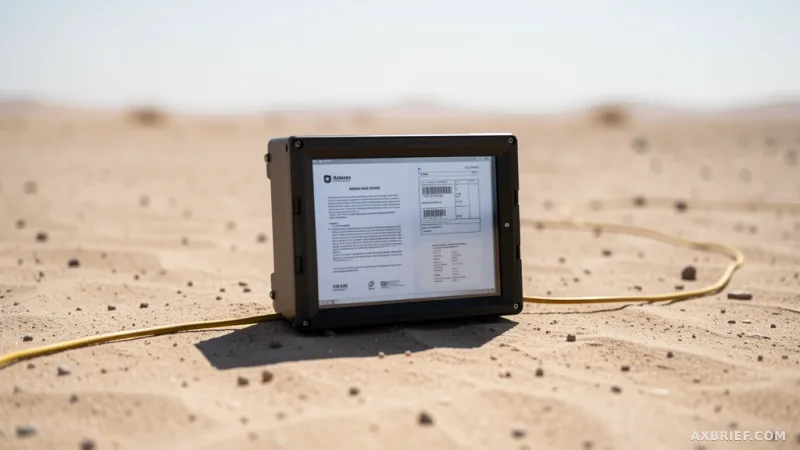
The application features a built-in file explorer and a specialized viewer capable of rendering both standard code and Markdown. This is not a simple text dump; the viewer supports the rendering of tables and Mermaid diagrams, allowing developers to visualize architectural shifts or flowcharts generated by the AI in real-time. When Claude Code modifies a file, the changes are displayed as a Diff directly on the rendered document, allowing the user to read and judge the output without switching applications.
Technically, muxa is built as a Swift native application to ensure deep integration with macOS. To handle the heavy lifting of terminal emulation, it embeds Ghostty, a high-performance emulator known for its GPU-accelerated rendering. To ensure that developer sessions remain persistent and stable, muxa utilizes tmux as its underlying multiplexer. For those looking to install it, the app requires macOS 14 or higher and the installation of Xcode Command Line Tools. Once the environment is ready, the software is installed by building the source via a curl script.
From Authoring to Auditing
The introduction of muxa signals a fundamental shift in how we interact with AI coding agents. For decades, the terminal was a place for execution and the IDE was a place for authoring. However, when an agent like Claude Code takes over the authoring process, the human's role shifts from the primary writer to the primary auditor. The tension in the current workflow exists because our tools are still designed for authoring, not auditing.
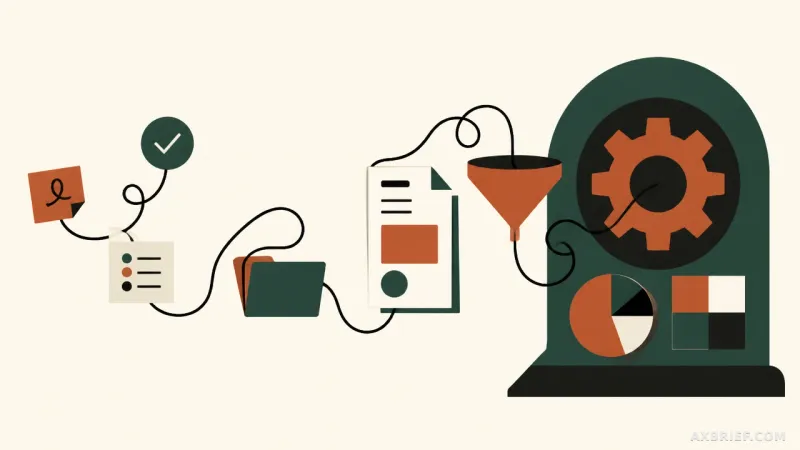
By integrating the viewer and the Diff tool into the terminal, muxa transforms the interface into a review station. The developer no longer needs to navigate a complex file tree in a heavy IDE just to check a few lines of changed code. Instead, the agent modifies the code, and the human verifies it in a side-by-side view within the same window. This removes the physical and mental barrier of the window switch, effectively turning the terminal into a lightweight, agent-centric IDE.
The choice of Ghostty and tmux is particularly telling. By leveraging GPU rendering and session persistence, muxa ensures that the interface remains fluid even when handling large diffs or complex diagrams. It acknowledges that the bottleneck in AI coding is no longer the speed of the model, but the speed at which a human can verify the model's work. When the verification process is streamlined, the entire development velocity increases.
This evolution suggests a future where the traditional IDE may no longer be the center of the developer's universe. As agents become more autonomous, the interface will likely move toward these specialized auditing environments where the focus is on high-level oversight and rapid validation rather than manual character entry.