Care robots operating in real-world environments often resemble sitcom props rather than the advanced humanoids promised in science fiction. In southwest England, social enterprises and Age UK South Gloucestershire are currently running pilot programs using AI-generated personas called Comfort Companions. This system provides tailored conversation and daily living guidance to older adults at risk of loneliness. Rather than deploying an all-knowing humanoid, the approach uses digital interfaces for emotional support to mitigate social isolation.
This service operates alongside existing volunteer programs run by Age UK. Human volunteers, known as Befrienders, help older users learn how to navigate the Comfort Companions app. The AI companion is designed to fill the time gaps for users stuck on waiting lists rather than replace human workers. Physical robot testing is also underway, with the West Berkshire Council trialing robotic pets within care homes. Current field deployments rely on three primary formats: screen-based AI avatars, animal-like robotic cats and dogs, and voice-only smart speakers.
These real-world deployments highlight a stark performance gap when compared to fictional all-weather humanoids like the robot Linda from the sitcom Ann Droid. Current care systems lack physical interaction capabilities. While a robot can detect if a user falls to the floor and send an alert, it cannot physically lift the user back to their feet. Detailed physical care tasks, such as assisting with bathing or dressing, remain entirely outside their implementation range. Care AI currently functions as a medium for emotional connection through limited interfaces rather than a performer of physical labor.
Fall detection systems represent a mature area of current robot technology. Using accelerometer and gyroscope sensors, these systems measure body tilt and impact forces to instantly recognize sudden falls and alert caregivers. When sensor data exceeds pre-set thresholds, the system defines the event as a fall and transmits a notification over the network. Video analysis AI cross-references sudden changes in body coordinates to minimize false positives. Software-based monitoring that detects status without physical intervention has already entered the commercialization stage.
Behavioral prompting functions operate with similar stability. Robots encourage users to contact friends, place direct phone calls, or motivate them to go outside. These actions act as triggers to drive social interaction rather than simple schedule reminders. Robots analyze user activity patterns and time-based data to initiate conversations at appropriate moments. State machine-based scenarios dictate which dialogue topics to select based on user responses.
Conversely, physical assistance areas such as lifting fallen users, bathing, or dressing remain impossible. This limitation stems from haptic control barriers, which require real-time calculation of unstructured body structures, fabric textures, and variable environmental factors to apply precise force. Specifically, the technology lacks precise torque control that accounts for the elasticity of human skin and muscles. A significant technical gap persists between software-based state detection and safely supporting bodies via physical hardware.
The utility of these robots emerges when they act as mediums that strengthen existing human relationships rather than mere providers of presence. By planning outdoor activities and encouraging connections with others, robots help prevent social isolation. The design philosophy treats the technology as a tool to keep users connected with other people rather than attempting to manufacture artificial friendship.
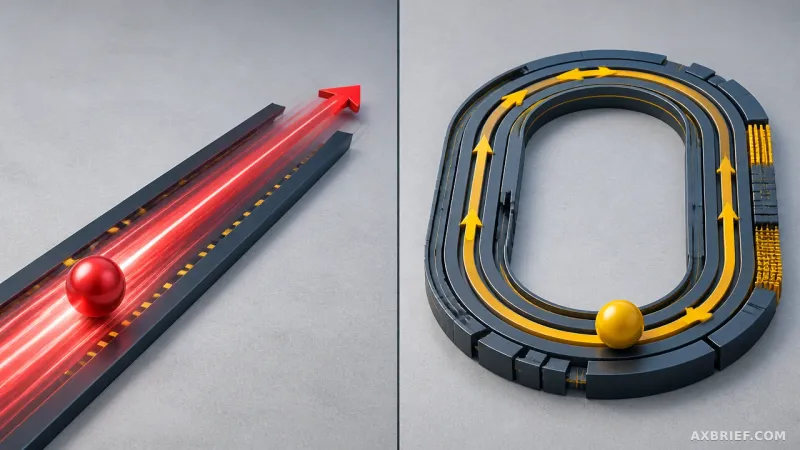
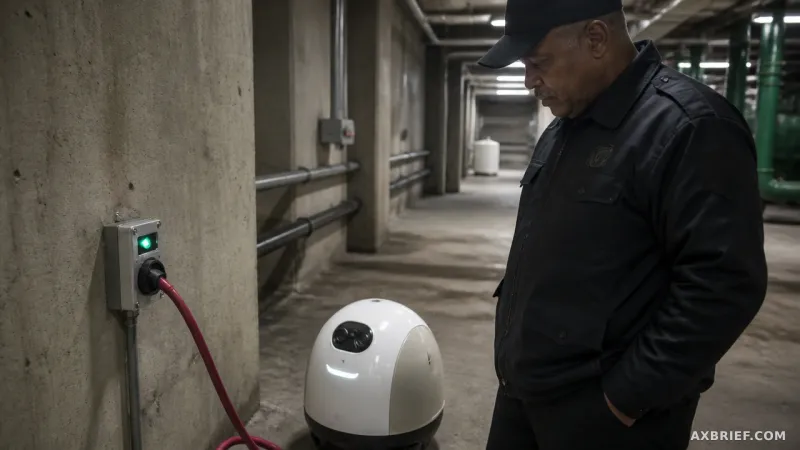
New humanoid robots offer operating times ranging from 90 minutes to five hours on a single charge. Around-the-clock home care requires 24-hour operation, making frequent charging cycles mandatory with current power efficiencies. This creates dead zones where robots must return to charging stations independently, interrupting continuous care services. Picking up unstructured household objects also presents extreme implementation difficulties. Unlike factory environments with standardized parts, everyday items vary wildly in shape and material, exceeding the robot's real-time grasp calculation capabilities.
When replicating human behavior, robots reproduce actions without understanding the underlying intent. They mimic responses learned from data statistics rather than context-based empathy. For instance, when executing a comforting motion after a user displays a sad face, the robot lacks cognitive understanding of why the action is necessary. This input-to-output matching without recognizing subtle psychological shifts amplifies mechanical alienation.
Facial emotion recognition systems show the lowest accuracy when identifying anger and neutral expressions in older adults. This occurs because the AI training datasets skew heavily toward younger demographics. Natural wrinkles and sagging associated with aging are frequently misread by the system as signs of anger or sadness. When a robot misinterprets a neutral face as anger, it can trigger inappropriate responses and erode trust between the user and the machine.
The uncanny valley phenomenon proposed by robotics professor Masahiro Mori in 1970 remains a core variable in robot acceptance. As machines grow closer to human appearance, user favorability rises until just before reaching a nearly human-like threshold, where psychological discomfort spikes. This transition point from warmth to revulsion dictates the physical constraints of care robot design.
User control over robot operations directly determines acceptance levels. Barriers drop when users feel confident they can predict and override robot actions when necessary. A simple robot that users can easily control achieves higher field acceptance than a high-performance robot lacking user-accessible control parameters.
Robots possess distinct operational advantages, such as operating without boredom, fatigue, or impatience. They provide constant availability during vulnerable hours like 3 AM and can handle hazardous tasks immediately. These capabilities maximize operational efficiency in care environments suffering from severe labor shortages.
Forming reciprocal emotional bonds remains fundamentally out of reach for machines. Because robots simply output programmed responses rather than sharing equal emotional exchanges, they cannot fully replace human relationships. Their role is strictly functional and supplementary.
Care robot design must treat systems as supplementary tools that help users stay connected with other people rather than artificial replacements. The true value of care technology lies in prompting independent social relationships rather than attempting to fill the gap left by human absence.