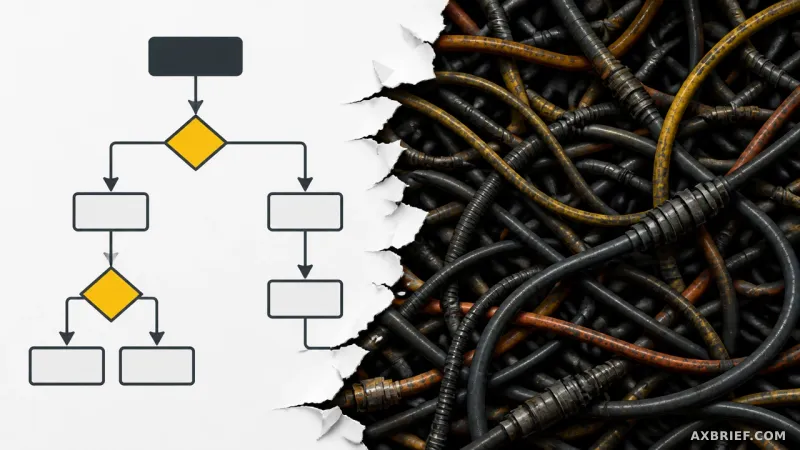
The modern BI engineer lives in a state of perpetual translation. On one side sits the raw data lake, a sprawling wilderness of thousands of tables with cryptic naming conventions. On the other side is the executive who asks a simple natural language question about quarterly churn or regional growth. For years, the bridge between these two worlds has been a manual, grueling process of mapping columns, defining semantic relationships, and documenting business logic. This preparation phase often takes weeks of manual labor before a single reliable answer can be generated by an AI.
The Architecture of Automated Semantic Inheritance
Amazon Quick is attempting to collapse this timeline from weeks to minutes through the introduction of the Agentic Catalog. The core problem the system addresses is the bottleneck of metadata synchronization. While enterprises already define their business logic in platforms like AWS Glue, Databricks Unity Catalog, Snowflake Horizon, Collibra, or dbt, this intelligence rarely flows seamlessly into AI products. Traditionally, an engineer had to manually recreate these definitions within the AI tool to ensure a Text2SQL engine didn't hallucinate a column name or misinterpret a primary key.
The Agentic Catalog solves this by creating a direct semantic link. When a data curator describes a requirement in natural language, the system leverages existing metadata from the upper catalog to automatically generate the necessary datasets and topics. This means the glossary and semantic definitions already established in the corporate data governance layer become the primary reasoning engine for the AI.
To manage this, the Quick Agent employs a sophisticated discovery mechanism. It scans the entire catalog using business descriptions, tags, and quality scores. It specifically looks for Gold, Silver, and Bronze classifications and table health scores to identify the most reliable data sources. However, the system is designed to avoid information overload. While it uses tags and quality scores to identify the correct table, it only inherits the table and column definitions into the final dataset. This selective inheritance ensures that the analysis process remains lean and free from the noise of administrative metadata. [Figure 3]
Crucially, the system utilizes a Direct Query approach. By querying the data source directly rather than duplicating data, Amazon Quick maintains a Single Source of Truth. This prevents the synchronization errors that typically plague mirrored datasets. Once a user approves the proposed structure through an interactive dialogue, the agent builds the catalog-generated dataset and topic. These datasets are marked with a Semantics Inherited badge, signaling that the metadata is read-only. This constraint is intentional, as it forces the downstream analysis to adhere to the governance and data standards defined in the master catalog.
From SQL Generation to Grounded Business Intelligence
The shift from manual mapping to semantic inheritance changes the fundamental nature of how AI interacts with corporate data. The inherited metadata does not simply sit in a table; it feeds into the Amazon Quick semantic store. This store acts as the brain for the AI's reasoning process, providing the necessary context for re-ranking results during a Q&A session. When a user asks a question, the AI agent doesn't just guess the SQL structure; it uses the semantic store to identify the specific tables and columns that most closely align with the user's intent, leading to significantly higher accuracy in SQL generation.
However, the real twist is that the system extends its context beyond the database schema. A number in a table is meaningless without the business context surrounding it. Amazon Quick integrates with external platforms including Slack, Outlook, internal documentation, and various knowledge bases. This allows the AI to combine numerical facts from the database with the qualitative context found in a Slack thread or a project brief.
For example, if a database shows a dip in sales for a specific region, the AI can cross-reference this with a documented regional holiday or a Slack conversation about a supply chain disruption. By merging the schema-level intelligence of the semantic store with the operational intelligence of collaboration tools, the system moves from providing a raw data point to providing a grounded answer. This eliminates the need for extensive fine-tuning of the model because the domain-specific knowledge is delivered in real-time via the metadata and integrated context.
For engineers operating within the AWS ecosystem, the implementation follows a specific technical pipeline. The process begins with the creation of a Glue Data Catalog connection within Amazon Quick. [Figure 1] This connection is currently available in preview and serves as the conduit for consuming data structures and definitions. Parallel to this, the engineer must establish an Amazon Athena data source to provide the actual query path to the data residing in Amazon S3. [Figure 2] This dual-layer setup ensures that Glue handles the metadata while Athena handles the physical data retrieval.
Once the connection is live, the user accesses the Explore data menu on the Glue Data Catalog detail page to launch the Quick Agent. [Figure 3] By selecting the Specific data mode, the user can define the boundaries of the context the AI should reference and generate topics using natural language. [Figure 4] The AI agent then automatically inherits the table and column definitions from the upper catalog to assemble the dataset. This workflow removes the repetitive mapping tasks that previously consumed the majority of a data engineer's time, allowing them to focus on governance rather than manual entry.
By automating the bridge between the data catalog and the AI agent, Amazon Quick transforms the data curator from a manual mapper into a strategic overseer of semantic truth.