
The industrial world operates on a relentless 24-hour clock where every second of unplanned stillness translates directly into lost revenue. In high-stakes manufacturing and logistics, the continuity of a production line is treated with the same urgency as a hospital emergency room; a single point of failure can trigger a cascading collapse of efficiency. Yet, for decades, the mechanism for managing these failures has remained stubbornly analog. Site managers have been tethered to fixed Human-Machine Interfaces (HMIs), forced to physically trek across vast factory floors just to diagnose a flickering warning light. When a crisis hits, the response is often a fragmented scramble of phone calls, disparate messaging apps, and manual reports, creating a dangerous lag between the moment a machine fails and the moment a solution is implemented.
The Mobile Shift of SOLlink Industrial Hub
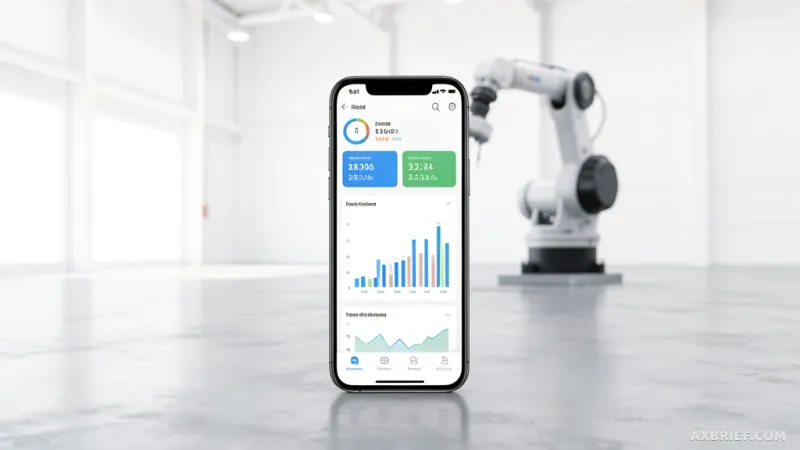
Bigwave Robotics is attempting to break this physical tether with the official launch of the SOLlink Industrial Hub mobile application on the Google Play Store. This is not a mere mirroring of a desktop dashboard onto a smaller screen, but a strategic migration of the industrial control center into the pocket of the operator. The SOLlink Industrial Hub serves as an integrated operating service that consolidates data from robots, individual pieces of equipment, and overall process flows into a unified mobile stream. By moving core operational functions away from fixed terminals and PCs, the platform grants managers immediate visibility into the state of their facility regardless of their physical location.
At its core, the application addresses the systemic fragmentation that plagues modern shop floors. In a typical legacy environment, checking a system status, identifying an anomaly, and communicating that anomaly to a technician are three separate workflows involving three different tools. The SOLlink Industrial Hub collapses these steps into a single pipeline. Operators can now monitor the operational status of key processes, receive real-time system alerts, and track customer inquiry histories from a single interface. The integration of real-time notifications means that the lead time between a fault occurring and a human recognizing it is reduced to nearly zero, allowing for a transition from reactive firefighting to proactive management.
Because the service is cloud-based, it enables access from outside the physical perimeter of the plant. However, Bigwave Robotics has implemented a strict data filtration layer to balance accessibility with industrial espionage risks. The system does not export the entirety of a plant's intellectual property or proprietary process know-how to the cloud. Instead, it selectively syncs only the essential operational telemetry: status values, alarm triggers, error logs, and support tickets. This lean data approach ensures that the mobile app remains lightweight and responsive while keeping the most sensitive production secrets safely isolated within the local on-premise network.
From Fragmented Tooling to a Single Pane of Glass
The true shift offered by the SOLlink Industrial Hub is the transition from fragmented monitoring to a single pane of glass philosophy. To understand the impact, one must look at the cognitive load of a traditional industrial response. An operator notices a problem, walks to an HMI to read a log, opens a separate laptop to check historical data, and then switches to a mobile phone to call a vendor. Each of these transitions is a context switch that introduces the possibility of information loss and increases the total time to resolution. By consolidating these touchpoints, Bigwave Robotics eliminates the friction of tool-switching, effectively shortening the physical and digital distance between the problem and the fix.
This operational agility is underpinned by a sophisticated Role-Based Access Control (RBAC) architecture. Security in an industrial cloud environment cannot be a one-size-fits-all solution. Bigwave Robotics has engineered a system where data and accounts are completely siloed by customer, ensuring that no two clients ever overlap in the cloud. Within a single organization, permissions are further granularized. Site managers maintain a high-level overview of total operations, operators focus on immediate alert response and ticket handling, and Bigwave support engineers are granted access only to the specific technical logs required for a fix. This hierarchy prevents accidental configuration errors by unauthorized personnel and ensures a clear chain of accountability during a crisis.
This security framework extends to the remote support process itself. The system does not allow the vendor to maintain a permanent, open door into the client's facility. Instead, remote intervention is triggered only upon a specific request or approval from the customer. Once the client grants access, the Bigwave support team can enter the system to diagnose the issue using the pre-defined RBAC permissions, viewing only the necessary logs and status values. This gated approach lowers the psychological and technical barriers for companies that are traditionally hesitant to allow external cloud access to their production lines.
By reducing the time spent on physical movement and fragmented communication, the platform targets the most volatile variable in manufacturing: downtime. When the distance between an error log and a certified engineer is reduced from hours of travel and phone tags to a few taps on a screen, the risk of prolonged system outages drops precipitously. The ability to verify a robot's status from a remote location and immediately trigger a support request transforms the support cycle from a linear process into a simultaneous one.
This evolution toward a mobile-first, cloud-integrated management system sets the stage for a truly global 24-hour remote monitoring standard. As the platform evolves to include more advanced notification logic and deeper data-driven management tools, the goal is to maximize the stability of automated environments across manufacturing and logistics. The shift toward a single interface is not just a UI improvement, but a fundamental redesign of how human operators interact with autonomous machinery in the pursuit of zero-downtime production.
This integration of mobile visibility and gated remote access marks the beginning of a transition toward fully autonomous, self-reporting industrial ecosystems.



