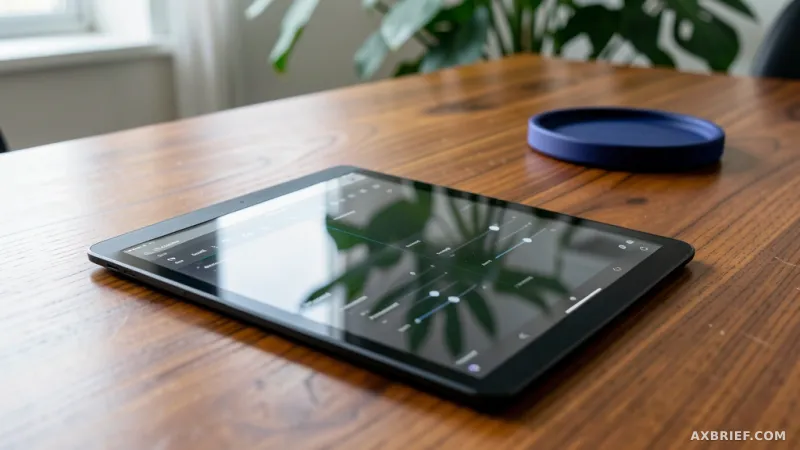
What Images 2.5 Aims to Reduce: The Wait Time Between Generation and Revision
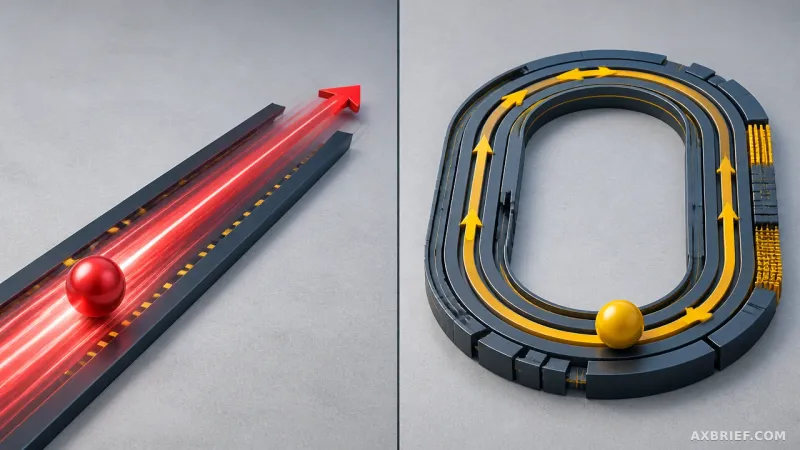
ChatGPT Images 2.5, released by OpenAI on September 8, focuses not only on the ability to create finished artwork at once, but also on the process of revising created images multiple times. The company explained that compared to Images 2.0, image generation latency has been reduced by up to 50%. The announcement states that the ability to preserve the subject of reference photos, editing specific parts only, and consistency in maintaining previous changes across multiple revisions have all been improved. These figures are provided by OpenAI, and results confirmed through independent experiments by AX BRIEF are not presented.
According to OpenAI, more than 3 billion images are generated every week across ChatGPT Images and GPT-Image API models. While this number demonstrates the scale of service usage, it is not an indicator of the editing success rate or the enterprise adoption effectiveness of this new version. When reading this announcement, it is necessary to separate usage volume, generation latency, and output accuracy into different categories of information. The mere fact that many people use a service does not guarantee that it will accurately handle a particular company's product photos or advertising copy.
ChatGPT Images 2.5 is deployed to ChatGPT, ChatGPT Work, and Codex users across all subscription tiers. The usage environment includes desktop, mobile, and web. For developers, two distinct API models are provided: GPT-Image-2.5 Flare and GPT-Image-2.5 Sunburst. This effectively splits the choices between users creating images directly within the product and developers integrating image capabilities into their own services. Because the announcement links API pricing to a separate rate sheet, it should not be interpreted to mean that the same unit prices apply to existing contracts.
The effect of reduced latency also varies depending on the unit of work. Even if Images 2.5 returns a single result faster, the time required for a human to check the copy and determine the direction of revision remains separate. Conversely, in workflows involving multiple short instructions to refine composition, the time spent waiting for responses accumulates, making the generation-stage improvements easier to feel. Therefore, prior to adoption, both the generation time for a single image and the total time required to obtain a final approved version must be examined together. Distinguishing between these two times prevents mixing model-level improvements with bottlenecks originating from a team's operational procedures.
Style Examples and Editing Performance Must Be Read Separately
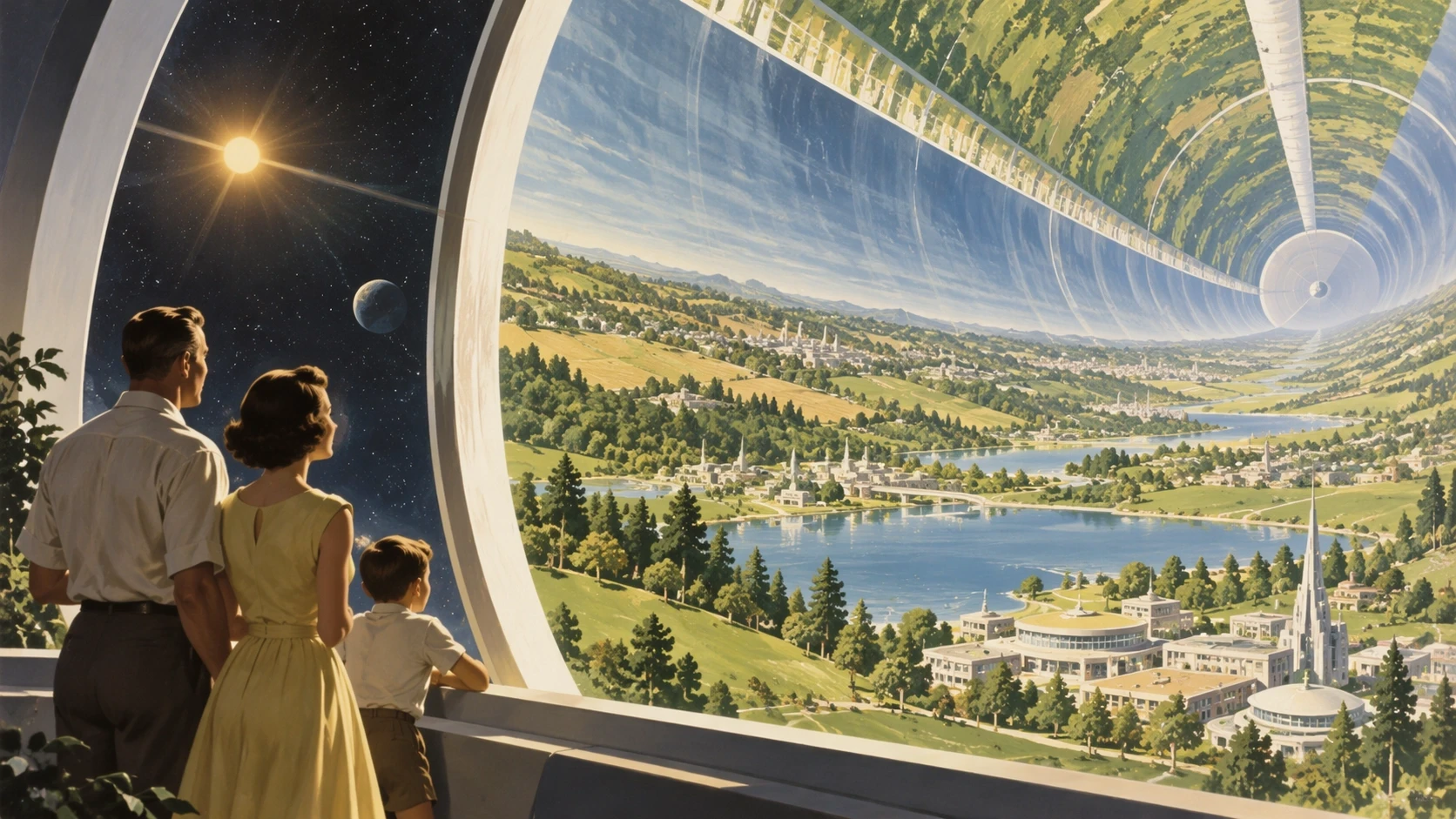
Images 2.5's style gallery features various visual formats, such as retro illustrations of space habitats, impressionist cityscapes, wedding invitations, and national park stamps. The image below is a 1950s-style illustration of a family looking at a massive cylindrical space habitat. It is a generation example presented by OpenAI to illustrate style expression and complex visual instructions, not a comparison material of photos before and after editing. Making this distinction avoids the error of directly reading the impressive finish of the artwork as a verification result of specific editing features.
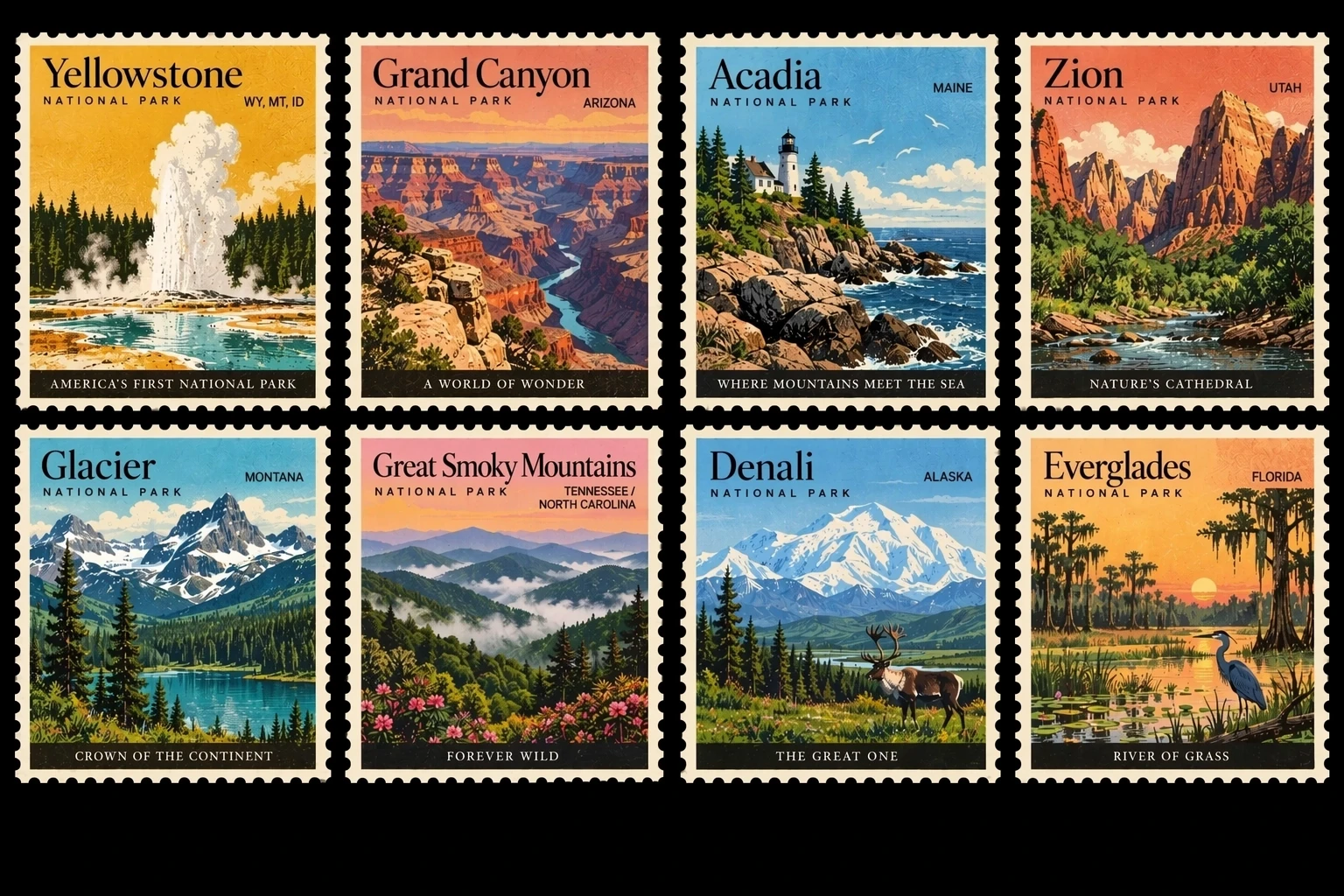
The national park stamp example in the same gallery corresponds to a method of composing multiple scenes within a series. Stamps themed around Yellowstone, the Grand Canyon, and others are arranged within a common framework. Readers can observe the vintage expression and multi-image composition proposed by OpenAI through this material. However, a single published result cannot be generalized to indicate that other locations or longer text will be handled with the same accuracy. Even when directly inserting text and layouts required for our own services, a human review and verification procedure remains necessary.
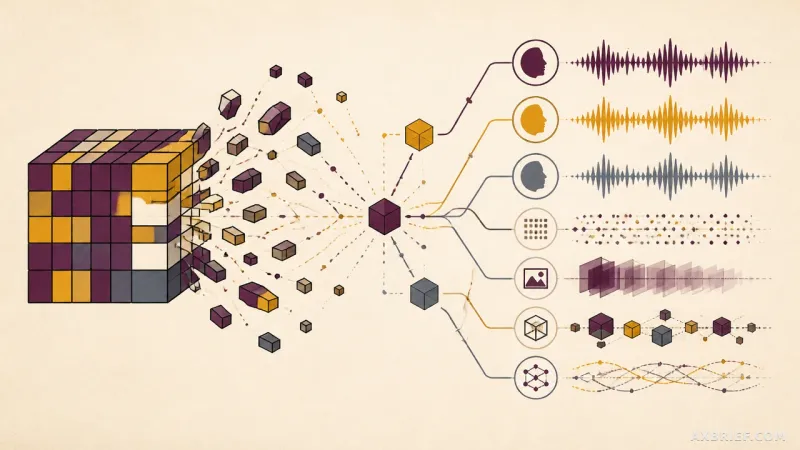
Separately from the style gallery, OpenAI explained that features of people or objects in reference photos are better maintained, and lighting and textures have become more natural. Editing capabilities that preserve surrounding compositions and brand expressions while modifying only specific elements were also presented as improvements. For example, API developers can design functions to change a single element among product, background, and text. What matters here is not stopping at looking only at the part instructed to change, but comparing it alongside the parts instructed to remain unchanged. The improvement direction touted by the company itself encompasses both conditions.
In multi-turn editing, OpenAI claims that Images 2.5 maintains previous changes more stably. The original text demonstrates precise editing and multi-turn consistency through videos composed of multiple images. The static style examples included in this article do not replace those video experiments. In actual operations, comparing only the first and final results may cause one to miss detail elements that disappeared and reappeared mid-way. Archiving results by modification stage and recording requested changes versus unintended changes separately is necessary to judge in what types of editing the model can be trusted.
Input Methods Transformed by Sketch and Shared Prompts
Sketch, added to ChatGPT, is a feature that allows users to use user-drawn shapes as visual guides for image generation. Ideas that previously required lengthy textual descriptions of spatial relationships—such as room layouts or clothing outlines—can be communicated through simple lines. OpenAI noted that the feature can be initiated by typing @Sketch in ChatGPT. It operates by combining drawings with text descriptions of desired styles or details, and does not presuppose professional drawing skills. Rather than viewing this as identical to handing over completed design files, it is more accurate to understand it as an added means of communicating composition.
Templates act as a mechanism to reduce the burden of starting from a blank screen. ChatGPT users can select formats such as Poster or Merch and personalize the results by adding information to convey, design elements, and styles. The original text also introduces flyers and product photos as usable formats. Pre-selecting a specific format narrows down what needs to be described in the prompt. However, selecting a template does not mean that corporate logo usage regulations or print file conditions are automatically satisfied. Items that must be checked before placing output materials on actual distribution channels remain the responsibility of the team to determine.
Leaving comments directly on ChatGPT images helps target revision subjects more precisely. It differs in role from Sketch in that instructions can be given directly on the output rather than explaining locations solely through words. If Sketch is a means of communicating composition before generation, image comments are used in dialogues to fix specific parts after generation. Using these two input methods distinctively helps reduce instances where initial concepts and final revisions become intermingled within a long prompt. This is likewise an operational interpretation derived from published product features, and how much working time is shortened requires separate measurement.
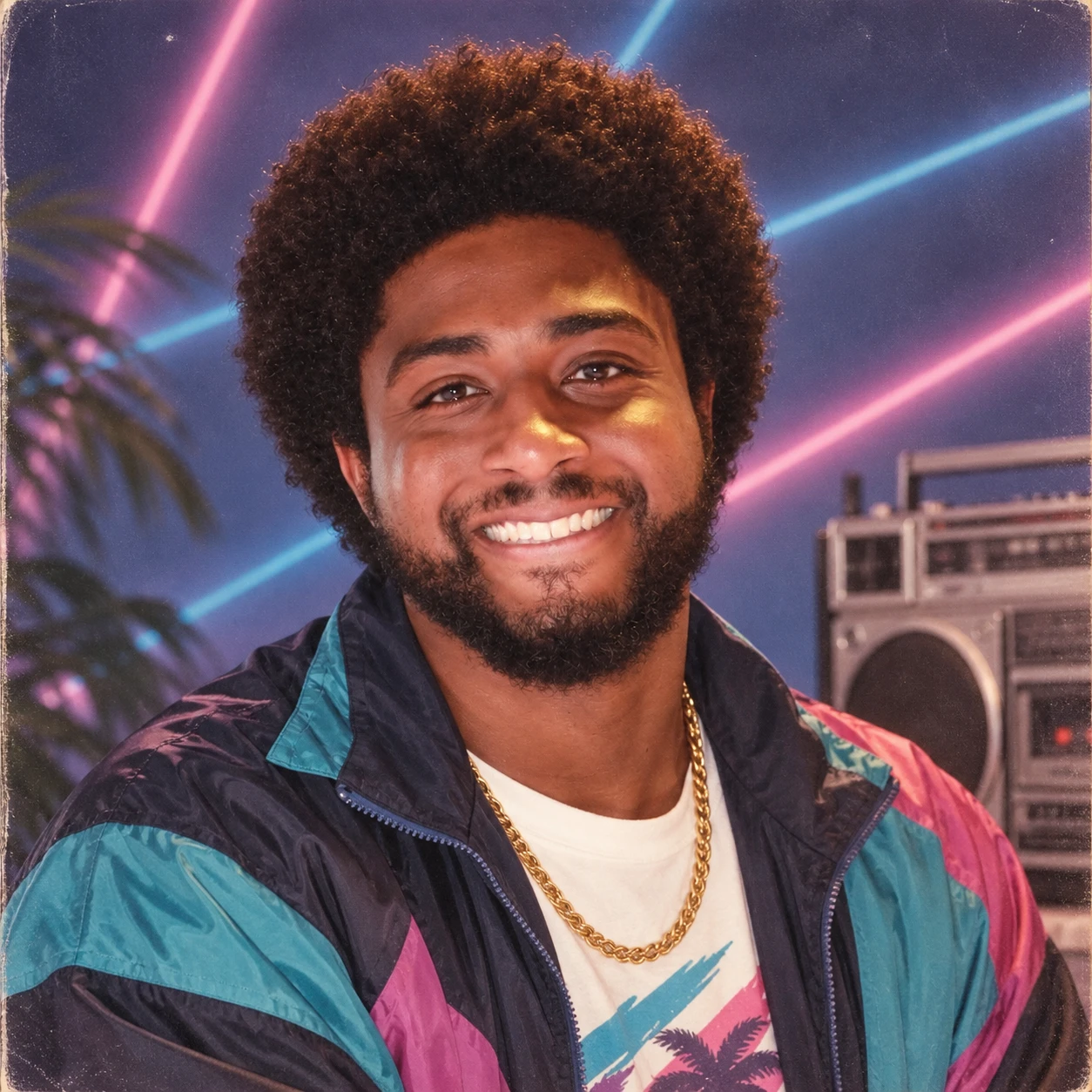
When sharing images, the prompt that generated the result can also be transmitted. This allows other users to test the same idea by inserting their own photos and specific details. The 1980s-style portrait below is an example presented by OpenAI to illustrate this sharing workflow. While transmitting the prompt allows starting with the same concept, it does not mean that input photos will yield identical faces or results for different users. If an organization utilizes this feature, guidance must accompany it to distinguish between expression methods to be reused and inputs to be replaced, such as personal photographs.
Selection Criteria for Flare and Sunburst, and the Scope of Customer Reviews
OpenAI presented GPT-Image-2.5 Flare as the default choice for most applications. Creators, social content, product experiences, visual search, rapid image prototyping, and bulk generation are the use cases cited by the company. Flare is described as delivering higher quality than GPT-Image-2 at half the latency. Because the figures compared against ChatGPT's Images 2.0 and those compared against the API's GPT-Image-2 involve different targets of comparison, they should not be combined and read as a single benchmark under the same name.
GPT-Image-2.5 Sunburst is a model that increases precision in detailed creative work at the expense of longer generation times. OpenAI cited tasks where control over the modification process is critical, such as polished campaign deliverables and refined product images, as examples. Therefore, the question of choosing between the two models is not simply which one is newer. The required characteristics differ depending on whether the stage is rapidly creating multiple candidates or carefully modifying specific elements. Teams must compare both models against actual requests to establish conditions for latency and revision quality that they can accept.
The announcement also included customer reviews from Higgsfield AI, Adobe, Manus, and Runway. Axultan Alimkulov, Head of Product at Higgsfield AI, emphasized that Flare edits while preserving the character and composition of the original. Matt Chotin, Senior Director at Adobe, explained that the latest GPT-Image-2.5 model can be selected within Firefly, with improved generation speed and resolution consistency. These remarks demonstrate what features partners found valuable. They must be distinguished from identical-condition comparisons by independent evaluation bodies or direct verification by AX BRIEF.
Lucky Liao of the Manus evaluation team stated in internal evaluations that Flare generated high-quality images at 2 to 4 times the speed of GPT-Image-2. Jamie Umpherson, Chief Creative Officer at Runway, evaluated that low latency is suitable for workflows connecting ideas to finished images. Customer figures can be influenced by the input and output conditions used. It is important not to transform quotes published in announcements into guarantees that apply universally to our company's operations. In particular, it cannot be calculated that final costs will decrease by the same proportion simply because processing speed is fast.
As safety measures, prompt and image inspection, C2PA metadata, and the continuous application of invisible watermarks were guided. C2PA metadata and watermarks are mechanisms that help identify images created with OpenAI tools. They do not imply certification that the content inside images is factual or the resolution of all copyright issues. The system cards and pricing guidance linked in the original text are materials that must be examined together during actual deployment reviews. Detailed policies or unit prices not verified here should not be presumed solely from announcement contents to serve as premises for service design.
AX BRIEF Perspective: Look at the Editing Process to Approval Rather Than the First Result
When evaluating Images 2.5, AX BRIEF judges that it is necessary to look first at what can be preserved while requirements change, rather than focusing on a single best-performing sample. If the color or shape of a product changes along with its background when editing a product photo, re-inspection is required. The same thing happens if other text gets corrupted after modifying advertising copy. This is not a report confirming that such problems occurred in this model, but rather an evaluation criterion to connect the localized editing capabilities emphasized by OpenAI into actual deployment decisions.
For teams reviewing Flare, a suitable approach is to define inputs for representative tasks and record generation times, retry counts, and reasons why humans revised or discarded outputs together. When reviewing Sunburst, it must be verified whether the results of detailed revisions improve enough to justify enduring long wait times. If iterations continue until an eye-catching result emerges without pre-determining quality conditions, it becomes difficult to judge whether a single fast response improved overall operational efficiency. Conditions for acceptable results must be defined first to compare speed and quality within the same workflow.
While ChatGPT's Sketch and image comments can help communicate requirements, the improvement of communication methods is a separate step from the model accurately executing instructions. If the person drafting and the person approving are different, procedures to record what parts can be changed and what must be maintained are also necessary. As features specifying inputs increase, criteria for result inspection must be specified accordingly. This is why improvements in editing control announced by a company cannot directly serve as grounds for uninspected automated deployment.
It is also useful to view prompt sharing as a function to convey working intent rather than the replication of outputs. For example, even if the concept of a 1980s-style portrait is reused within a team, prompts do not substitute for the photo provider's consent or the scope of permitted use for results. Organizations distributing images must separately verify the rights to use input materials and procedures for publishing results. The convenience of new generation features does not automatically eliminate the review steps required in traditional production workflows.
Final judgments on API adoption cannot rely solely on the impressions of public galleries and partner recommendations. Flare and Sunburst must be applied to identical operational requirements, and cost conditions must be reviewed after confirming the latency and revision outcomes acceptable to the team. The choices presented in this announcement are sufficiently specific. What remains to be checked is what problems those choices actually reduce in our team's approval processes. When results answering this question accumulate, the improvements of Images 2.5 can be used as a basis for adoption rather than promotional copy.
Image source: OpenAI