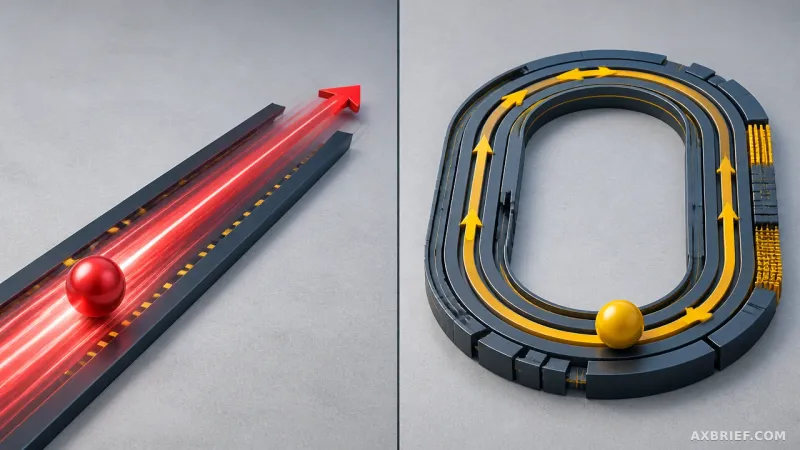
The modern AI developer spends a disproportionate amount of time managing the friction of vendor lock-in. Every time a new state-of-the-art model emerges, the promise of better performance is often tempered by the reality of rewriting integration layers, swapping SDKs, and reconfiguring prompt templates to fit a proprietary API schema. This technical tax has historically forced teams to stick with a single provider, even when a more efficient or cost-effective alternative becomes available. The industry has long craved a standardized interface that allows for the seamless swapping of intelligence layers without touching the core application logic.
The Unification of the DeepSeek Model Architecture
DeepSeek is addressing this friction by introducing comprehensive API compatibility with the industry standards set by OpenAI and Anthropic. This move is not merely a convenience feature but is paired with a significant consolidation of their model offerings. DeepSeek is transitioning its entire model ecosystem toward a single, unified architecture: `deepseek-v4-flash`.
As part of this strategic shift, the company has announced the sunsetting of its legacy models. Both `deepseek-chat` and `deepseek-reasoner` are scheduled for decommissioning on July 24, 2026, at 15:59 UTC. This provides a generous window for migration, but the goal is clear: a simplified, single-model entry point that handles multiple operational modes.
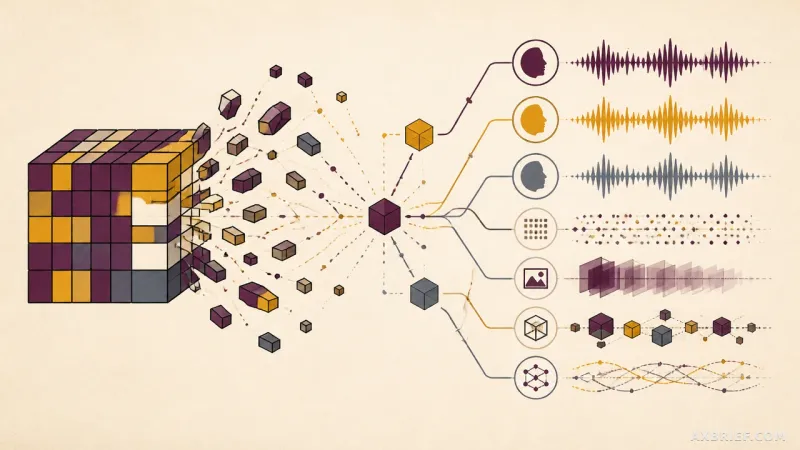
To replace the specialized functionality of the outgoing models, `deepseek-v4-flash` introduces a mode-based configuration. The capabilities previously associated with `deepseek-chat` are now handled via a non-thinking mode, which omits the internal chain-of-thought processing to provide faster, direct responses. Conversely, the capabilities of `deepseek-reasoner` are integrated into a thinking mode, which preserves the model's reasoning process, allowing users to inspect the logic leading to a final answer. By consolidating these into a single model version, DeepSeek reduces the overhead of managing multiple model endpoints while maintaining the distinction between rapid-fire chat and deep reasoning.
The Strategic Shift Toward Drop-in Replacement
While model unification simplifies the backend, the real disruption lies in the API compatibility layer. By supporting the request and response formats of OpenAI and Anthropic, DeepSeek has effectively turned its API into a drop-in replacement. This means that any application currently built using the OpenAI or Anthropic SDKs can be redirected to DeepSeek by changing only two variables: the API base URL and the API key.
This architectural decision removes the primary barrier to entry for AI agents and coding assistants. Tools such as Claude Code, GitHub Copilot, and OpenCode rely on standardized backend configurations to communicate with LLMs. Previously, integrating a new provider required the tool developer to write a custom adapter. Now, these tools can access DeepSeek's capabilities through their existing OpenAI-compatible pipelines.
Technically, this compatibility extends to the most critical aspects of the developer experience, specifically the handling of data streams. DeepSeek supports both non-stream responses for single-turn interactions and real-time streaming for interactive interfaces. By setting the `stream` parameter to `true`, developers can maintain the fluid, token-by-token delivery that users expect from modern AI interfaces without altering their existing OpenAI-based workflow.
This move signals a shift in the power dynamic between model providers and developers. When the cost of switching models drops to nearly zero, providers can no longer rely on integration inertia to retain customers. Instead, they must compete purely on performance, latency, and pricing. By embracing the formats of its largest competitors, DeepSeek is positioning itself as the most flexible alternative in the market, allowing developers to hedge their bets across multiple providers without increasing their technical debt.
This transition toward API standardization suggests a future where the underlying model becomes a commodity, and the true value shifts toward the orchestration layer and the specific configuration of the agent's environment.