
The modern gamer lives in a state of perpetual hardware anxiety. Every few years, a new generation of GPUs arrives, rendering perfectly functional rigs obsolete and forcing enthusiasts to shell out thousands of dollars just to maintain a competitive edge or experience a new title in its intended glory. This cycle of planned obsolescence has turned high-end gaming into a luxury gatekept by those willing to endure the financial sting of frequent hardware refreshes. The barrier to entry is no longer just the cost of the game, but the physical silicon required to run it.
The Infrastructure of Instant Performance
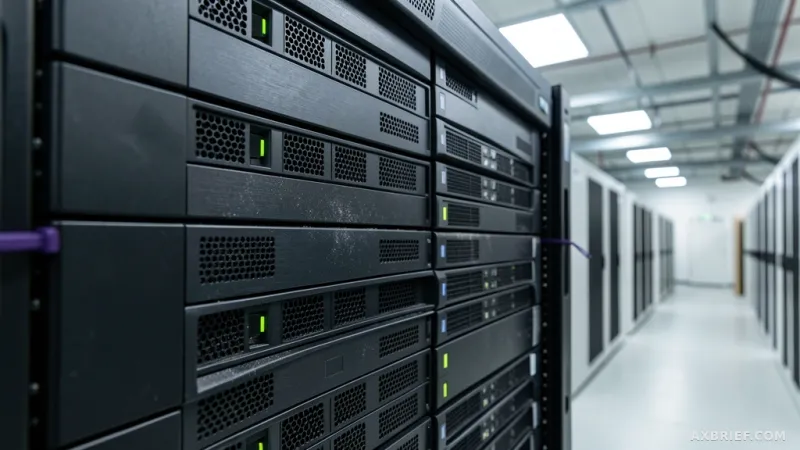
NVIDIA is attempting to break this cycle by shifting the heavy lifting from the living room to the data center. The company has officially expanded its North American footprint by deploying new servers powered by the GeForce RTX 5080 in Toronto. This infrastructure rollout is specifically designed to bring ultra-high-performance computing closer to Canadian players, reducing the physical distance data must travel and ensuring a more stable connection for the most demanding workloads. This upgrade is exclusively available to GeForce NOW Ultimate members, who now have access to the raw computational power of an RTX 5080 regardless of the device they are holding in their hands.
The technical specifications of this deployment target the bleeding edge of display technology. The service now supports resolutions up to 4K and extends its compatibility to ultrawide displays, providing a cinematic field of view that was previously reserved for those with top-tier local rigs. More importantly, the servers are capable of pushing up to 120 FPS, matching the refresh rates of high-end gaming monitors to ensure that the visual experience is indistinguishable from a local installation.
To achieve this, NVIDIA integrates its full AI-driven software stack into the cloud. Deep Learning Super Sampling (DLSS) is utilized to upscale lower-resolution images into crisp 4K visuals, significantly boosting frame rates without sacrificing clarity. Ray tracing, the computationally expensive process of simulating physical light behavior for realistic reflections and shadows, is handled entirely on the RTX 5080 servers, with only the final rendered frames being streamed to the user. To combat the inherent latency of cloud gaming, NVIDIA Reflex is implemented to shorten the pipeline between a user's input and the on-screen response, a critical requirement for competitive titles where milliseconds determine the outcome.
From Hardware Ownership to Performance Access
This shift in infrastructure fundamentally changes the relationship between the player and the machine. The tension is no longer about whether a PC can handle a game's system requirements, but whether a network connection can sustain the bandwidth required for 4K 120FPS streaming. This transition is most evident in how players interact with massive content updates. For example, Neverness to Everness (NTE) recently launched its version 1.2 '999 Nights' update, introducing a tabletop-style fantasy RPG mode set in the Warren continent, new growth systems, and characters like Shinku and Iroi. It also added 19 new character outfits and the Draco motorcycle for high-speed urban traversal. In a traditional setup, this would mean downloading tens of gigabytes of patches; on GeForce NOW, the update is instantaneous and invisible.
The accessibility extends to the interface as well. GeForce NOW is preparing to introduce native touch controls for NTE, allowing users to navigate the game's mysteries on a smartphone without an external controller. This creates a seamless workflow where a player can start a session on a high-end monitor and continue it on a mobile device during a commute, with the RTX 5080 providing the same level of fidelity across both. Similarly, Granblue Fantasy: Relink players can dive into the 'Endless Ragnarok' expansion—featuring the mysterious Ragnaria, the formidable Beelzebub, and a new master trait system for customization—without worrying about local storage space or GPU bottlenecks.
This evolution forces a new economic calculation for the consumer. The traditional model involves a massive upfront investment in a GPU that begins depreciating the moment it leaves the box. The subscription model replaces this capital expenditure with a manageable monthly operating expense. For the casual player who enjoys high-fidelity titles occasionally rather than in marathon sessions, the logic is simple: renting the world's fastest GPU is more rational than owning a piece of hardware that will be outdated in three years. Many users are now adopting a strategic approach, starting with a one-month trial to verify their network stability before committing to an annual plan to lower the average monthly cost.
When the total cost of ownership—including the price of the card, the power supply upgrades it requires, and the eventual resale loss—is weighed against a subscription, the economic advantage of the cloud becomes clear. The RTX 5080 deployment in Toronto is not just a server upgrade; it is a move toward a future where the GPU is a utility rather than a product.



