The era of generative AI focusing solely on text and pixels is rapidly giving way to a more capital-intensive frontier: the physical world. As developers and engineers grapple with the limitations of purely digital models, a new class of enterprise is emerging to bridge the gap between algorithmic intelligence and tangible manufacturing. At the center of this shift is Prometheus, a startup co-founded by Jeff Bezos and Vik Bajaj, which has just secured a massive $12 billion in funding to accelerate the development of what it calls an artificial general engineer.
The Capital Behind Physical Intelligence
Prometheus has reached a valuation of $41 billion, a figure that underscores the immense financial weight required to compete in the physical AI sector. The latest funding round saw participation from a consortium of global financial heavyweights, including JPMorgan Chase, Goldman Sachs, and BlackRock, alongside a direct investment from Bezos himself. This influx of capital follows an initial funding round late last year that brought in $6.2 billion. In less than a year, the company has consolidated a level of resources that typically takes deep-tech firms over a decade to accumulate. With 150 employees currently operating across offices in San Francisco, London, and Zurich, the company remains highly secretive regarding the specific technical architecture of its platform.
Beyond Code: The Moat of Physical Reality
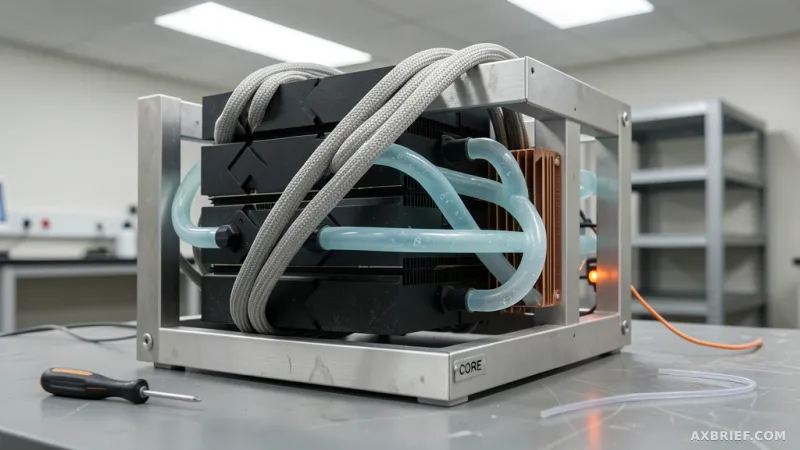
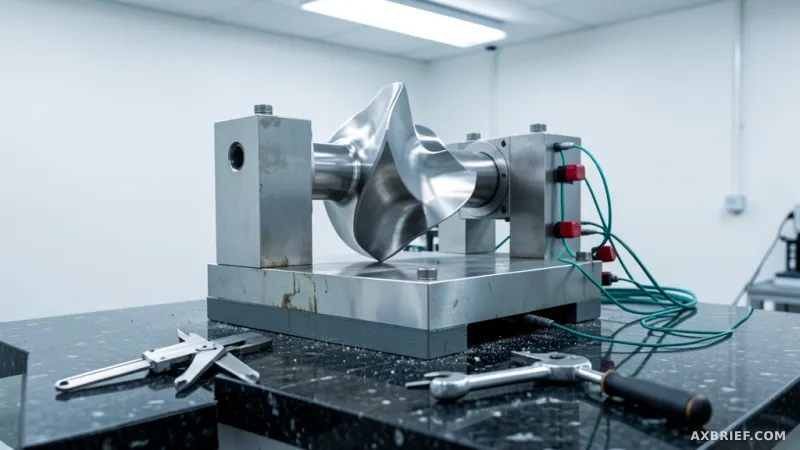
The core mission of Prometheus is to automate the design and manufacturing of complex physical systems, ranging from jet engines to pharmaceutical compounds. Unlike large language models that generate content, this software is designed to handle the rigorous constraints of physics and engineering. The strategic logic driving this massive capital injection is the concept of defensibility. While software-based AI models are often subject to rapid commoditization and replication, systems that integrate with physical hardware create a natural moat. By controlling the intersection of data, hardware, and manufacturing processes, Prometheus aims to build a barrier to entry that pure software competitors cannot easily cross. The high cost of the computing infrastructure required to simulate and control these physical systems serves as both a technical hurdle and a competitive advantage.
Redefining the Future of Labor
Jeff Bezos has framed the rise of these autonomous engineering systems not as a harbinger of mass unemployment, but as a catalyst for a shift in labor dynamics. He argues that the productivity gains unlocked by AI will lead to a state of labor scarcity, where the demand for human expertise outstrips supply, potentially allowing for reduced work hours and higher standards of living. This perspective contrasts with the more pessimistic outlooks often shared by other technology leaders regarding AI-driven job displacement. As Prometheus directs its newly acquired capital toward securing the massive computing resources necessary to power its systems, the company is effectively betting that the future of AI lies in its ability to master the physical world.
By moving AI from the virtual screen to the factory floor and the laboratory, Prometheus is attempting to turn the complexity of physical engineering into a scalable software product. The success of this endeavor will ultimately depend on whether the company can translate its unprecedented capital advantage into a functional, automated engineering engine that can navigate the realities of the physical world.