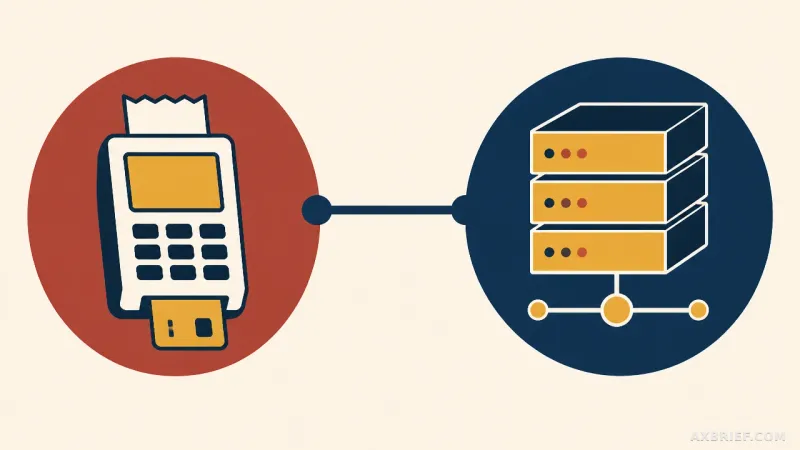
The modern enterprise CTO is currently trapped in a frustrating paradox. On one screen, they see the breathtaking capabilities of frontier models like Claude or GPT-4, capable of reasoning through complex logic in seconds. On the other screen, they see a sprawling, decades-old architecture of fragmented databases, siloed CRMs, and undocumented workflows that make the actual deployment of those models nearly impossible. This gap between AI potential and legacy reality has created a new, expensive class of professional: the Forward-Deployed Engineer (FDE), a high-priced specialist who spends months manually cleaning data and mapping APIs just to get a single AI agent to function in a production environment.
The $20 Million Bet on Infrastructure Plumbing
June enters this friction point not as another model provider, but as the automation layer for the deployment process itself. The company recently secured $20 million in pre-seed funding, a figure that signals intense industry confidence in solving the legacy data problem. The funding round was led by Marc Benioff's Time Ventures and included a roster of heavyweights including Michael Dell, Aaron Levie, and George Kurtz. These investors are betting that the primary bottleneck for enterprise AI is no longer the intelligence of the model, but the readiness of the underlying data infrastructure.
Founded by former Salesforce executive Efrat Rapoport and a team of specialists, June is designed to dismantle the technical debt that paralyzes large organizations. The platform operates by scanning a company's existing systems to analyze business processes from the inside out. Rather than requiring a manual audit, June identifies the specific bottlenecks where workflows stall and proposes an optimized, agent-based process to replace them. Once these optimized workflows are established, the platform automatically triggers notifications through existing corporate communication channels to integrate the new processes into daily operations.
To make this work, June integrates directly with the pillars of enterprise data management. The platform is built to interface with Salesforce, ServiceNow, Databricks, and Workday, ensuring that the AI agents have a clear path to the data they need without requiring a total system overhaul. By mapping these connections, June transforms a chaotic web of legacy software into a structured environment where AI agents can actually execute tasks.
Replacing the Forward-Deployed Engineer
For most enterprises, the path to AI has been a manual, consultant-heavy slog. The reliance on Forward-Deployed Engineers (FDEs) has turned AI adoption into a boutique service—expensive, slow, and difficult to scale. June's core value proposition is the systematic elimination of this dependency. By shifting the power from the specialist to the user, June allows companies to deploy AI agents without hiring a fleet of consultants to manage the initial setup.
This shift is realized through an automated, step-by-step deployment roadmap. Instead of a vague implementation plan, June provides a concrete checklist of execution tasks. The process follows a strict logical sequence: data deduplication, source connection, and finally, agent construction. When a user identifies a necessary task on this roadmap, they do not write a ticket for the engineering team; they simply click a build button. This action triggers June to construct the required functionality directly within the organization's internal systems.
The real-world impact of this approach is evident in the case of CMG, a US-based mortgage lender. CMG attempted to leverage Claude Code to enhance its operations but hit a wall when trying to integrate the tool with Salesforce. The friction was not a failure of the AI's coding ability, but a failure of the environment to support the agent's deployment. June resolved this by providing a framework that identified exactly where the agent should be deployed and how to execute it safely. This allowed the team to establish a functional environment before the official project kickoff meetings had even begun.
By converting complex infrastructure configuration into a series of execution commands, June changes the nature of AI deployment from a professional service to a software product. The tension is no longer about whether the AI is smart enough to do the job, but whether the company can clear the path for it to work. June provides that path by treating legacy debt as a solvable engineering problem rather than an inevitable cost of doing business.
The era of the manual AI rollout is ending, replaced by a world where the infrastructure configures itself to meet the model.