
The psychological toll of scaling a startup is rarely discussed in the celebratory headlines of a Series A announcement. For most founders, the reality is a persistent sense of isolation, a feeling of being the only person in the room grappling with a specific, high-stakes failure or a strategic dead end. This loneliness is not merely emotional; it is a structural barrier to growth. When a founder lacks a peer group that has already navigated the same pitfalls, they are forced to reinvent the wheel through expensive trial and error. The gap between having a vision and possessing the global network required to execute that vision is where many promising ventures stall.
The Architecture of the TechCrunch Founder Summit 2026
To bridge this gap, TechCrunch is convening the TechCrunch Founder Summit 2026 on November 4 in Boston. This event is positioned as the organization's flagship founder conference, meaning it serves as the primary, most symbolic gathering designed specifically for the creator class of the tech ecosystem. The scale is significant, with over 1,000 founders and investors expected to descend on Boston to form a high-density hub of entrepreneurial intelligence. The core objective is to move beyond the superficial networking of typical industry mixers and instead foster sustainable, high-value relationships that can survive the volatility of the startup lifecycle.
The summit is structured to provide direct access to the architects of the modern venture ecosystem. The presence of leadership from top-tier venture capital firms is a central pillar of the event. Specifically, the summit facilitates connections with leaders from Sequoia Capital, NFX, Underscore VC, Glasswing Ventures, Wing Venture Capital, Construct Capital, Greylock, and Precursor Ventures. These firms represent a cross-section of the global investment landscape, offering founders the opportunity to validate their business models against the standards of the world's most successful investors. By bringing these VC leaders into the same room as early-stage founders, the event aims to dismantle the traditional barriers to entry that often keep non-local founders from accessing elite capital.
The Shift from Passive Listening to Audience-Driven Execution
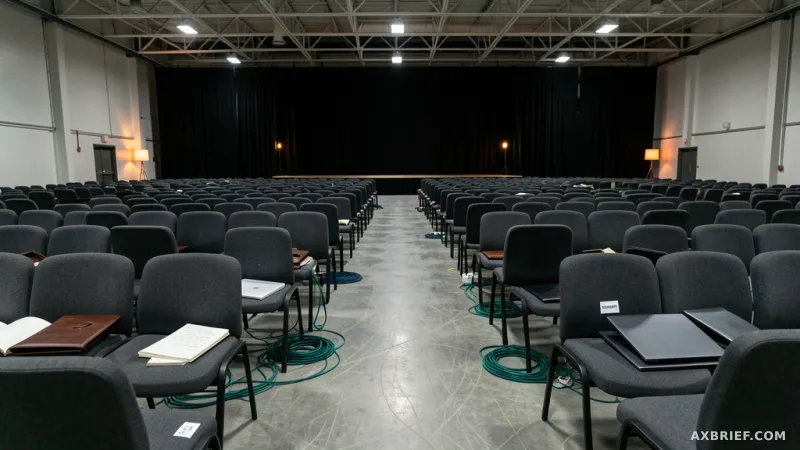
Most industry conferences suffer from a top-down delivery system where a curated list of speakers delivers pre-packaged insights to a passive audience. The TechCrunch Founder Summit 2026 attempts to reverse this dynamic by implementing a participatory operational structure. The event replaces traditional long-form lectures with a combination of breakout sessions and roundtables. Breakout sessions are designed as small-group intensives focusing on deep-dive technical or strategic topics, while roundtables provide a democratic forum where attendees engage as equals to solve specific problems in real-time.
The true pivot in the summit's design is the audience-driven agenda. Rather than relying solely on internal curators, TechCrunch allows the attendees to determine the curriculum. Founders can submit their own topics for roundtables or breakout sessions, and these submissions are then put to a vote by the TechCrunch community. This mechanism ensures that the discourse is not based on what the organizers think is important, but on the actual, urgent challenges founders are facing in the current market. It transforms the conference from a series of speeches into a live problem-solving engine.
Beyond the sessions, the summit provides a physical marketplace for business expansion through exhibit tables. These tables allow companies to move beyond the role of a participant and instead act as a focal point for founders, investors, and key decision-makers. For a startup, this is not just about marketing; it is about creating a controlled environment where they can refine their pitching, secure high-value connections, and establish the milestones necessary for their next funding round. The result is a transition from the isolation of the home office to a global standard of growth strategy.
Access to this network is gated by a specific window of opportunity. To lower the barrier for global participants, TechCrunch has introduced a tiered pricing strategy. Those who register by June 26 at 11:59 PM PT can secure an early bird discount of up to $190. Furthermore, the event encourages a collective approach to professional development by offering a group discount of up to 30% for teams of four or more. This is a strategic move to ensure that the core decision-makers within a company can attend together, allowing them to align their internal global strategy based on the insights gained at the summit.
By combining the prestige of firms like Sequoia and NFX with a bottom-up, community-voted agenda, the summit seeks to replace the founder's isolation with a structured, high-velocity network. The decision to register by the June 26 deadline is more than a cost-saving measure; it is the first strategic step in moving a company from a local operation to a globally connected venture.



