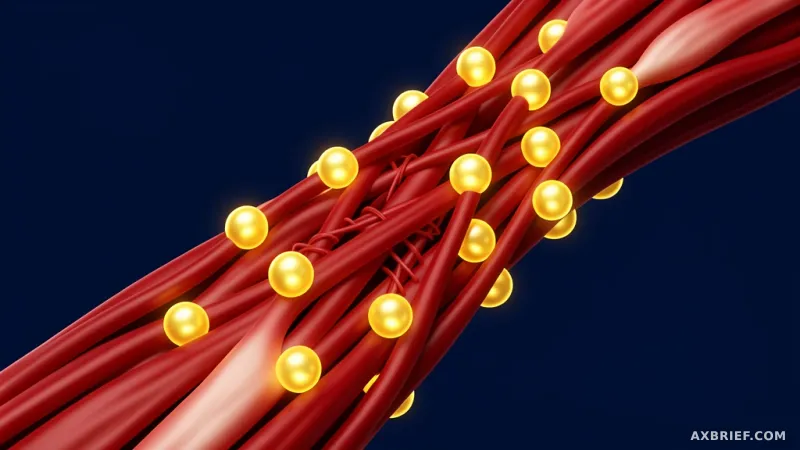
The current wave of metabolic health breakthroughs is defined by a paradoxical struggle. Across clinics and wellness forums, the success of GLP-1 receptor agonists in slashing body weight is being overshadowed by a troubling clinical observation: the simultaneous disappearance of lean muscle mass. While the scale moves in the right direction, the biological cost is often a reduction in the very tissues that sustain metabolic rate and physical stability. This phenomenon has turned the conversation among healthcare providers from simple weight reduction to the more complex challenge of muscle preservation.
The Mechanics of the EL-22 Patent
NorthStrive Biosciences is attempting to solve this metabolic imbalance through a specialized biological intervention. The company recently completed a patent application with the United States Patent and Trademark Office, filed under number 19/655,160, which details the formulations and dosing regimens for its lead candidate, EL-22. This therapeutic is specifically designed to treat muscle wasting conditions, with a primary focus on the muscle loss associated with GLP-1 use, as well as age-related sarcopenia, muscle atrophy following hospitalization or injury, and specific neurological disorders that lead to muscle degradation.
At the core of EL-22 is a probiotic-based delivery system designed to regulate myostatin. In the human body, myostatin acts as a biological brake, preventing muscles from growing excessively. Under normal conditions, this maintains a healthy equilibrium. However, during periods of rapid weight loss or prolonged inactivity, this brake becomes an obstacle, actively hindering the body's ability to maintain essential muscle tissue. EL-22 works by modulating this protein, effectively easing the brake to allow for muscle preservation even while the body is in a caloric deficit or metabolic shift. By utilizing a probiotic platform, NorthStrive aims to introduce this regulation via the gut-muscle axis, targeting the systemic environment that governs muscle growth.
Shifting the Paradigm from BMI to Body Composition
For decades, the gold standard for weight management was the Body Mass Index (BMI) or the raw number on a scale. If the weight dropped, the treatment was deemed a success. The emergence of GLP-1 therapies has exposed the flaw in this metric. While these drugs are exceptionally effective at improving metabolic markers and reducing fat, they do not distinguish between adipose tissue and skeletal muscle. The result is often a loss of functional strength and a decrease in the body's overall resilience, which can accelerate the frailty associated with aging.
NorthStrive is pivoting the goalpost by treating muscle loss not as an inevitable side effect of weight loss, but as a primary clinical target that must be managed. The shift is not just in the goal, but in the methodology. Rather than relying on traditional pharmaceutical compounds that often come with systemic toxicity or narrow windows of efficacy, the company has opted for a microbiome-based approach. By leveraging the microbiome to influence metabolic health, NorthStrive is betting that the future of longevity science lies in the balance of the body's internal ecosystem rather than the blunt force of hormone suppression. This represents a fundamental transition in biotechnology, moving away from simple symptom management toward the preservation of functional biological architecture.
As the healthcare market matures, the ability to decouple fat loss from muscle loss will likely become the primary competitive advantage for metabolic therapies. NorthStrive is using this patent to secure the intellectual property necessary to navigate the clinical and commercial pathways for EL-22. While the substance is in its early stages and faces the typical hurdles of clinical validation, it addresses a critical gap in the current obesity treatment pipeline. In a world where weight loss drugs are becoming ubiquitous, the technology to protect the body's structural integrity is no longer an optional add-on but a necessary requirement for long-term health.
Preserving muscle mass is the fundamental strategy for maintaining an individual's independence and ensuring the body's systemic resistance to disease as it ages.