Every morning, patients with Parkinson's disease or essential tremor adjust their schedules around a single variable: the shaking in their hands. Eating breakfast, writing a note, or pouring a cup of coffee becomes a negotiation with an unpredictable body. Tremor intensity shifts with fatigue, stress, and time of day, turning routine tasks into daily obstacles. This week, bioelectronic medicine company Cala introduced a wearable device designed to meet that variability head-on, not with a fixed intervention but with a system that learns and responds.
Cala kIQ Plus: FDA Clearance and How It Works
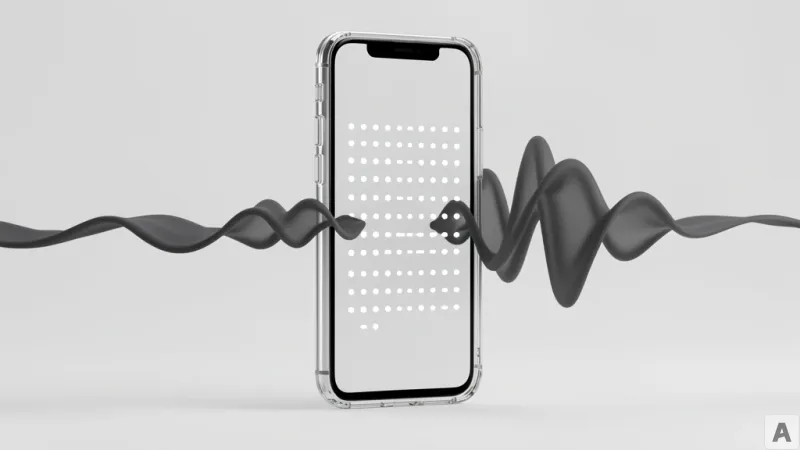
Cala announced that its next-generation wearable device, the Cala kIQ Plus, has received clearance from the U.S. Food and Drug Administration (FDA). The device is worn on the wrist and uses targeted nerve stimulation to reduce hand tremors. It delivers micro electrical pulses through the wrist, recalibrating the neural signals involved in tremor generation. Rather than suppressing movement by force, the technology works by resynchronizing disrupted neural rhythms. With this clearance, the Cala kIQ Plus is now recognized as an official therapeutic tool for managing tremor in both essential tremor and Parkinson's disease patients. Full details are available in the official announcement.
What Changed: Adaptive Calibration and Multi-Mode Therapy
The previous generation of Cala's device delivered stimulation at fixed settings. The Cala kIQ Plus introduces multi-therapy modes and adaptive calibration, a feature that allows the device to learn the user's tremor pattern in real time and adjust the intensity and type of electrical stimulation accordingly. Where the older model sent a one-size-fits-all signal, the new device responds to the patient's changing physiological state. Early clinical data showed tremor reduction in both hands, not just the treated side, and a higher proportion of patients achieved meaningful therapeutic response compared to earlier versions. This shift from static to adaptive intervention marks the core technical advance.
Bringing Treatment Home: Direct-to-Patient Delivery and Insurance Coverage
The most tangible change for patients is that treatment has moved entirely out of the clinic and into daily life. Cala has built a direct-to-patient delivery model, allowing users to continue therapy at home without hospital visits. The device is currently available through the U.S. Veterans Affairs Health System, and eligible patients can receive coverage through Medicare. This reflects a broader direction in chronic disease management: bridging the gap between doctor visits and embedding care into the small spaces of everyday life—the kitchen counter, the commute, the desk. Compared to surgery or medication, the Cala kIQ Plus places less physical burden on the body while offering continuous management that stays close to the patient's own biological signals.
Medical technology is moving beyond simply extending lifespan toward preserving the independence and daily function that define quality of life.