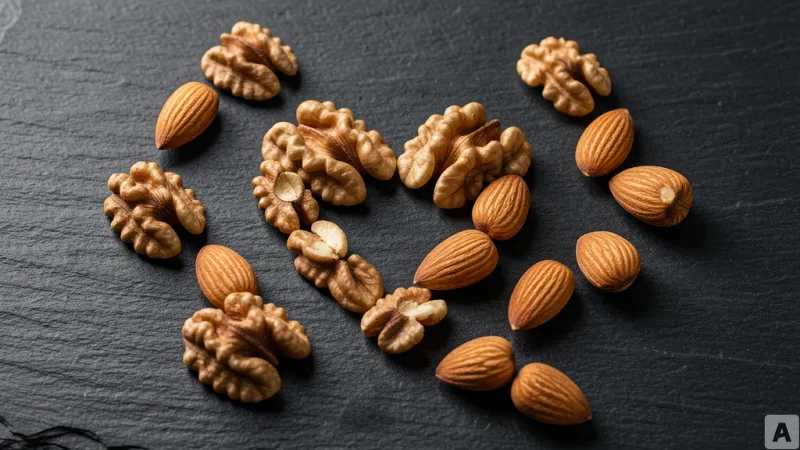
Every morning, millions of people walk past the nut aisle without a second thought. A handful of almonds, walnuts, or cashews registers as a snack — pleasant, portable, but hardly a medical intervention. Yet a growing body of evidence suggests that this small, daily habit may be one of the most accessible levers for extending lifespan, and the data is now hard to ignore.
BMC Medicine Meta-Analysis Confirms 22% Reduction in All-Cause Mortality
A large-scale meta-analysis published in *BMC Medicine* pooled data from multiple long-term prospective studies tracking hundreds of thousands of individuals over years. The research team found that people who consumed roughly one ounce of nuts per day — about the size of a golf ball — had a 22% lower risk of death from all causes compared to those who rarely ate nuts. This effect held consistently across population groups, age ranges, and dietary backgrounds. The analysis drew on some of the most robust observational datasets available, giving the finding statistical weight that has held up under repeated scrutiny.
Cardiovascular Disease Risk Drops 21%, Stroke Risk Falls Up to 50%
The same meta-analysis showed that daily nut consumers had a 21% lower risk of cardiovascular disease overall, and a 25–29% lower risk of coronary heart disease — the primary cause of heart attacks. More striking results came from the PREDIMED randomized controlled trial, which studied high-risk individuals assigned to a Mediterranean diet supplemented with daily nuts. Participants saw major cardiovascular events drop by approximately 30%, and in one study arm, stroke risk fell by nearly 50%. Unlike observational studies, randomized controlled trials provide stronger evidence of causation, making these numbers particularly significant for clinical guidance.
Cancer Mortality Reduced by 11%, Colorectal Cancer Link Stands Out
The protective effects of nuts extend beyond the heart. The *BMC Medicine* review found that regular nut consumers had an 11% lower risk of dying from cancer. Colorectal cancer, in particular, showed a notably lower incidence among frequent nut eaters. Scientists attribute this protective effect to the combined action of antioxidants, dietary fiber, and anti-inflammatory compounds found in nuts. These components support cellular function and help manage oxidative stress, which is implicated in cancer development.
Calorie Concerns vs. Real-World Weight Impact
For years, the high calorie density of nuts fueled concern that adding them to the diet would lead to weight gain. But repeated studies have shown that incorporating nuts into the diet does not result in weight gain, and may even reduce overall calorie intake. Nuts promote satiety, slow digestion, and contain fats that are partially not absorbed by the body. As a result, people naturally eat less at subsequent meals. The net effect is neutral or beneficial for body weight, not detrimental.
The practical takeaway for anyone looking to improve long-term health is straightforward: a daily handful of nuts is one of the few dietary interventions backed by strong, consistent evidence that is also easy to adopt and genuinely enjoyable. No meal prep, no special recipes, no expensive supplements — just a small change that the data suggests can meaningfully shift the odds.