Modern wellness is shifting from general nutrient supplementation to the precision engineering of cellular energy. For decades, the health supplement industry operated on a model of deficiency, providing vitamins and minerals to fill gaps in the human diet. However, a new frontier is emerging that focuses not on what the body lacks, but on how the body produces power at the most fundamental level. This transition is epitomized by GNC's recent strategic pivot toward mitochondrial health through a high-profile partnership with New Zealand-based biotech firm MitoQ.
The Strategic Pivot Toward Open Innovation
GNC is fundamentally altering its operational playbook with the launch of two specialized products: MitoQ Pure and MitoQ NAD+ Dual Action. To understand the weight of this move, one must look at GNC's historical manufacturing strategy. In the United States, GNC has traditionally maintained a closed ecosystem, producing more than 96 percent of its product line in-house. This vertical integration allowed for strict quality control and higher margins, but it often limited the company's ability to integrate cutting-edge, third-party biotechnological breakthroughs quickly.
By partnering with MitoQ, GNC is signaling a shift toward an open innovation model. The company is leveraging The Drop, its dedicated innovation center designed to debut high-tech wellness solutions, to introduce these products to the market. This move suggests that the complexity of cellular health is reaching a point where internal production is no longer sufficient. Instead, GNC is opting to integrate specialized, patented technology from New Zealand to capture the growing cellular health market. This is not merely a product expansion; it is a strategic admission that the next era of health supplements will be defined by precision science rather than simple ingredient blending.
The Engineering of Cellular Energy
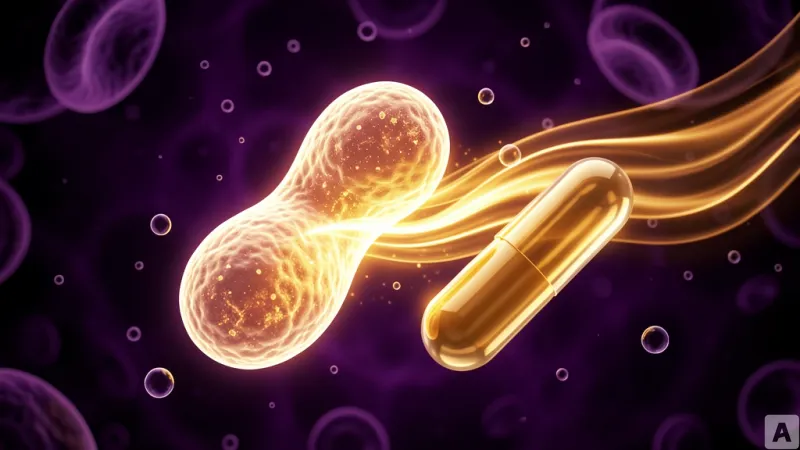
At the heart of this launch is the mitochondrion, the microscopic power plant found within nearly every cell of the human body. These organelles are responsible for converting nutrients into adenosine triphosphate, or ATP, the chemical currency that fuels every heartbeat, thought, and muscle contraction. As the body ages or faces chronic stress, these power plants begin to fail, leading to the systemic fatigue and cognitive fog that many mistake for inevitable aging.
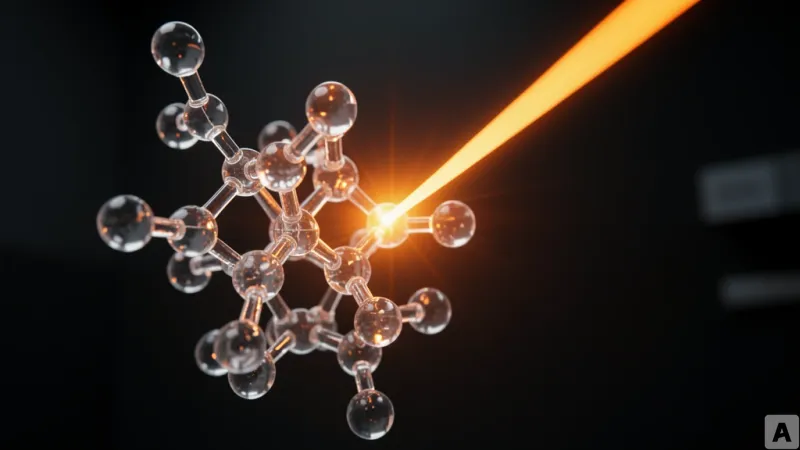
GNC's new offerings address this failure through two distinct biological mechanisms: cleaning and fueling. MitoQ Pure focuses on the cleaning process. It utilizes Mitoquinol, a specialized antioxidant designed to penetrate the mitochondrial membrane. Most antioxidants circulate in the general cellular environment, but Mitoquinol is engineered to enter the mitochondrion itself. Once inside, it targets oxidative stress, which acts like biological rust, accumulating as a byproduct of energy production. By neutralizing these free radicals at the source, MitoQ Pure effectively scrubs the cellular factory, restoring efficiency and preventing the degradation of the organelle.
In contrast, MitoQ NAD+ Dual Action addresses the fueling mechanism. Even a clean factory cannot produce energy without raw materials. NAD+ is a critical coenzyme found in all living cells and is essential for energy metabolism and DNA repair. However, NAD+ levels naturally decline with age, leaving the mitochondria underpowered. This product focuses on boosting NAD+ levels to ensure the cellular machinery has the necessary fuel to operate at peak capacity. By offering both a cleaning agent and a fuel source, GNC is providing a comprehensive toolkit for mitochondrial maintenance, allowing users to target their specific biological needs.
The Rise of Precision Cellular Management
This shift reflects a broader trend in the global health tech landscape. We are moving away from the era of the general multivitamin and into the era of cellular management. The competitive landscape for health supplements is no longer about who can source the purest Vitamin C, but about who can deliver active molecules across biological barriers to specific organelles. The partnership between GNC and MitoQ highlights a transition toward pharmaceutical-grade precision in the over-the-counter wellness market.
For the consumer, this means a move toward personalized biohacking. Instead of a one-size-fits-all approach to energy, users can now choose whether they need to clear oxidative debris or replenish depleted energy precursors. This level of granularity in health management was previously reserved for clinical settings or high-end longevity clinics. By bringing this technology to retail stores and online platforms, GNC is democratizing access to mitochondrial science.
The broader implication for the industry is clear: the battle for market share is moving deeper into the cell. As companies move beyond basic nutrition, the winners will be those who can successfully bridge the gap between academic biotechnology and consumer accessibility. GNC's willingness to step outside its 96 percent in-house production comfort zone suggests that the potential of cellular health is too great to ignore.
Ultimately, the focus of health management is migrating from the surface to the core. By targeting the energy factories of the cell, the industry is moving toward a future where vitality is not managed by masking symptoms of fatigue, but by optimizing the very machinery that generates life.