A developer sits on a crowded subway train during the Friday evening rush, staring at a smartphone screen. They are scrolling through server logs, spotting a critical anomaly that requires an immediate fix. In the traditional workflow, this moment is one of pure frustration; the developer is physically tethered to the need for a laptop, a stable SSH connection, and a full IDE to implement a solution. The gap between identifying a problem and executing a fix is measured by the time it takes to get home and open a MacBook. This physical constraint, which has defined the boundaries of remote engineering for decades, is beginning to dissolve.
The Mobile Expansion of the Codex Ecosystem
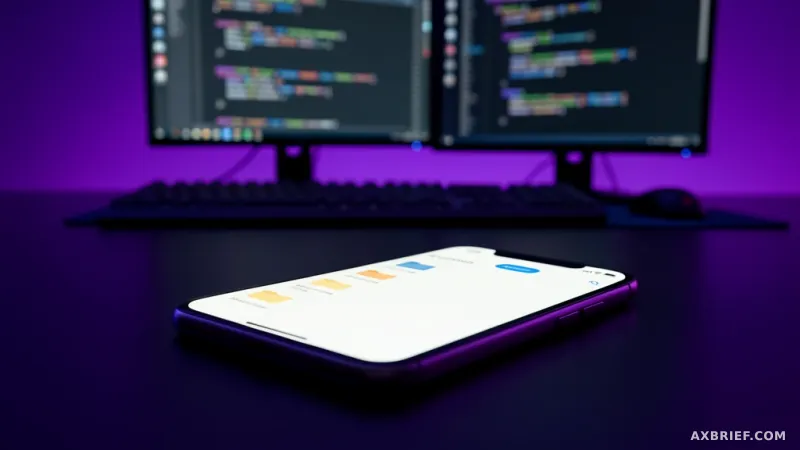
OpenAI has officially integrated Codex, its specialized AI coding engine, directly into the ChatGPT mobile application. This update is currently rolling out in a preview phase, making the functionality available to users across all subscription tiers on both iOS and Android. The core of this integration is the ability to access and manage live code environments in real time from a mobile device. This is not a simple chat interface for generating snippets of code; it is a functional bridge to an active execution state.
Through the mobile app, developers can now traverse active threads to review AI-generated outputs, approve specific commands for execution, and switch between different underlying models depending on the complexity of the task. The system allows for the immediate initiation of new tasks, effectively turning the smartphone into a remote command center. This capability represents a significant leap from basic remote monitoring or the ability to send a single command to a remote machine. It is a comprehensive management environment that mirrors the control one would typically expect from a desktop workstation.
This mobile release is the final piece of a broader strategic rollout by OpenAI. Last month, the company introduced the ability for Codex to perform autonomous tasks in the background on desktop environments. Shortly thereafter, a Chrome extension was released to enable AI agents to operate within live browser sessions. By connecting desktop autonomy and browser interaction with mobile remote control, OpenAI has established a continuous loop of development that follows the engineer across every device they own.
From Code Author to Agent Orchestrator
For years, the primary requirement for using AI coding tools was a stationary setup. The developer had to be seated in front of an Integrated Development Environment (IDE), where the AI acted as a sophisticated autocomplete or a pair programmer. The shift toward mobile integration changes the fundamental nature of the developer's role. The focus is moving away from the act of typing code and toward the act of managing an agent. In this new paradigm, the developer functions as a high-level supervisor who reviews proposed changes and grants permission for execution, regardless of their physical location.
This move is a direct response to an intensifying arms race in the AI agent space. Anthropic previously entered this territory in February with the release of Remote Control for Claude Code, a terminal-based AI coding tool that allows for remote monitoring of agentic tasks. The competition between OpenAI and Anthropic has evolved beyond who can generate the most syntactically correct function. The battle is now over who can provide the most seamless agentic workflow. As Claude Code gains traction among enterprise users and technical specialists, OpenAI is leveraging the massive distribution of the ChatGPT app to capture the user experience lead through superior accessibility.
In practical terms, this integration will likely reshape the culture of on-call rotations and emergency incident response. The current standard for handling a production outage involves a frantic scramble to find a laptop and establish a secure shell connection to a server. Within the next few months, this workflow will likely be replaced by a mobile notification. A developer will receive an alert, open the ChatGPT app, review a patch proposed by Codex, and tap an approval button to deploy the fix. The metric for developer productivity is shifting from the speed of writing code to the efficiency of managing the AI that writes it.
Coding is rapidly evolving from a manual craft of typing characters into a discipline of orchestration, where the primary skill is the ability to guide and approve the execution paths of autonomous agents.