A graphic designer spends three hours perfecting a promotional poster. The lighting is cinematic, the composition is balanced, and the mood is exactly what the client requested. Then they look at the text. What should be a crisp Korean headline is a series of melted, alien-like glyphs that vaguely resemble characters but mean absolutely nothing. This is the wall every AI artist hits. The current workflow is a tedious loop of generating a near-perfect image, importing it into Photoshop, scrubbing away the AI gibberish, and manually typesetting the text. Even worse, if the project requires a series of images, the character's outfit or the room's architecture shifts subtly between frames, destroying any hope of visual continuity.
The Technical Architecture of Images 2.0
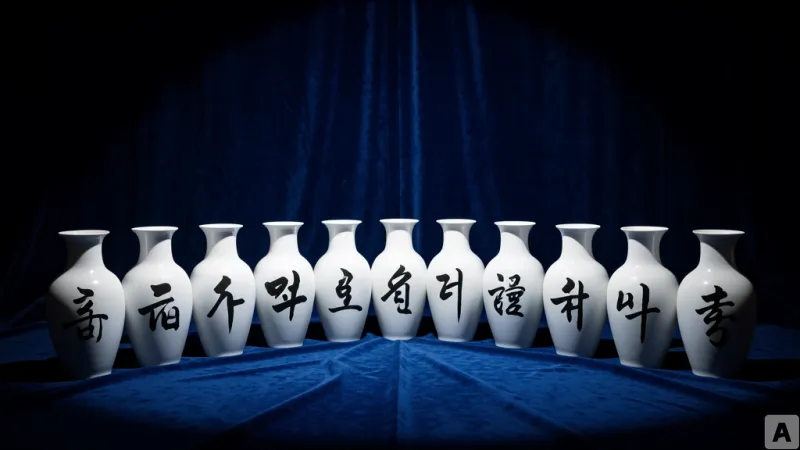
OpenAI is attempting to dismantle this friction with the release of Images 2.0. This model is not a mere incremental update but a specialized engine optimized for complex visual tasks and high-precision text rendering. It is now available across the entire OpenAI ecosystem, including ChatGPT, Codex, and the API. The most significant breakthrough lies in its handling of non-Latin scripts. While previous models struggled with anything outside the English alphabet, Images 2.0 accurately renders Korean, Japanese, Chinese, Hindi, and Bengali, treating these complex character structures as legible data rather than abstract patterns.
Precision extends beyond the alphabet to the very pixels of the canvas. The model supports resolutions up to 2K, allowing for the crisp rendering of tiny text, intricate icons, and detailed user interface elements that would typically blur in lower-resolution outputs. Flexibility in framing is also a priority, with supported aspect ratios ranging from a wide 3:1 horizontal format to a tall 1:3 vertical format, making the output immediately compatible with everything from cinematic banners to mobile stories. To ensure the AI understands current global contexts, the knowledge cutoff has been pushed to December 2025.
For power users, the introduction of thinking and pro models transforms the generation process into an agentic workflow. Instead of simply reacting to a prompt, these models can perform web searches to gather real-time information, convert uploaded documents into visual manuals, and reason through the structural composition of an image before a single pixel is drawn. This cognitive layer enables the system to generate up to 10 consistent images in a single batch. Rather than creating 10 random variations, the model builds each subsequent image based on the logic and visual markers of the previous ones, ensuring a level of coherence previously unavailable in single-prompt generations.
From Rendering Tool to Strategic Design System
This shift represents a fundamental change in how AI interacts with the creative process. For the last few years, image AI has functioned as a digital painter. You gave it a description, and it painted a plausible interpretation. The user acted as the curator, filtering through dozens of failures to find one success. Images 2.0 moves the AI from the role of the painter to the role of the art director. It no longer just renders a picture; it designs a system.
When a model can reason about the layout and maintain consistency across ten frames, the prompt-and-pray method dies. The tension in professional design has always been the gap between a high-level concept and the granular execution. By integrating web search and structural reasoning, the AI now handles the synthesis of information, the drafting of copy, and the final visualization in one end-to-end pipeline. It treats text not as a decorative element to be mimicked, but as a primary carrier of meaning that must be placed strategically within the composition.
This evolution removes the manual labor of stitching together disparate AI outputs. A designer can now move from a conceptual brief to a full set of consistent marketing assets without leaving the interface. The AI is no longer just creating a visual ornament; it is utilizing a visual language to validate ideas and communicate specific arguments. The ability to maintain character and environmental continuity across a batch of images means that storytelling—not just image generation—is now possible at scale.
This transition marks the moment image generation AI moves beyond visual novelty and enters the realm of commercial-grade production tools.