The modern PC builder is currently facing a frustrating paradox. While the desire for higher performance remains constant, the actual cost of entry is climbing. Over the last six months, those browsing price lists for memory modules and storage devices have noticed a steady, irritating upward trend in costs. This is not the result of a sudden surge in consumer gaming demand or a temporary logistical glitch. Instead, it is the visible symptom of a structural reallocation of the world's semiconductor resources, as the industry's heaviest hitters decide that the future of profit lies in the data center rather than the home office.
The Quantifiable Collapse of Consumer Hardware Volume
The scale of this shift is most evident in the revised guidance from the world's leading motherboard manufacturers. Recent industry data reveals a coordinated downward adjustment in sales targets across the four major players. Asus, a cornerstone of the hardware ecosystem, recorded sales of 15 million units in 2025, but its trajectory for 2026 has shifted dramatically. Shipments for the first half of 2026 have hovered just above 5 million units. Even if the company manages to reach 10 million units by the end of the year, it represents a 33% decline compared to the previous year.
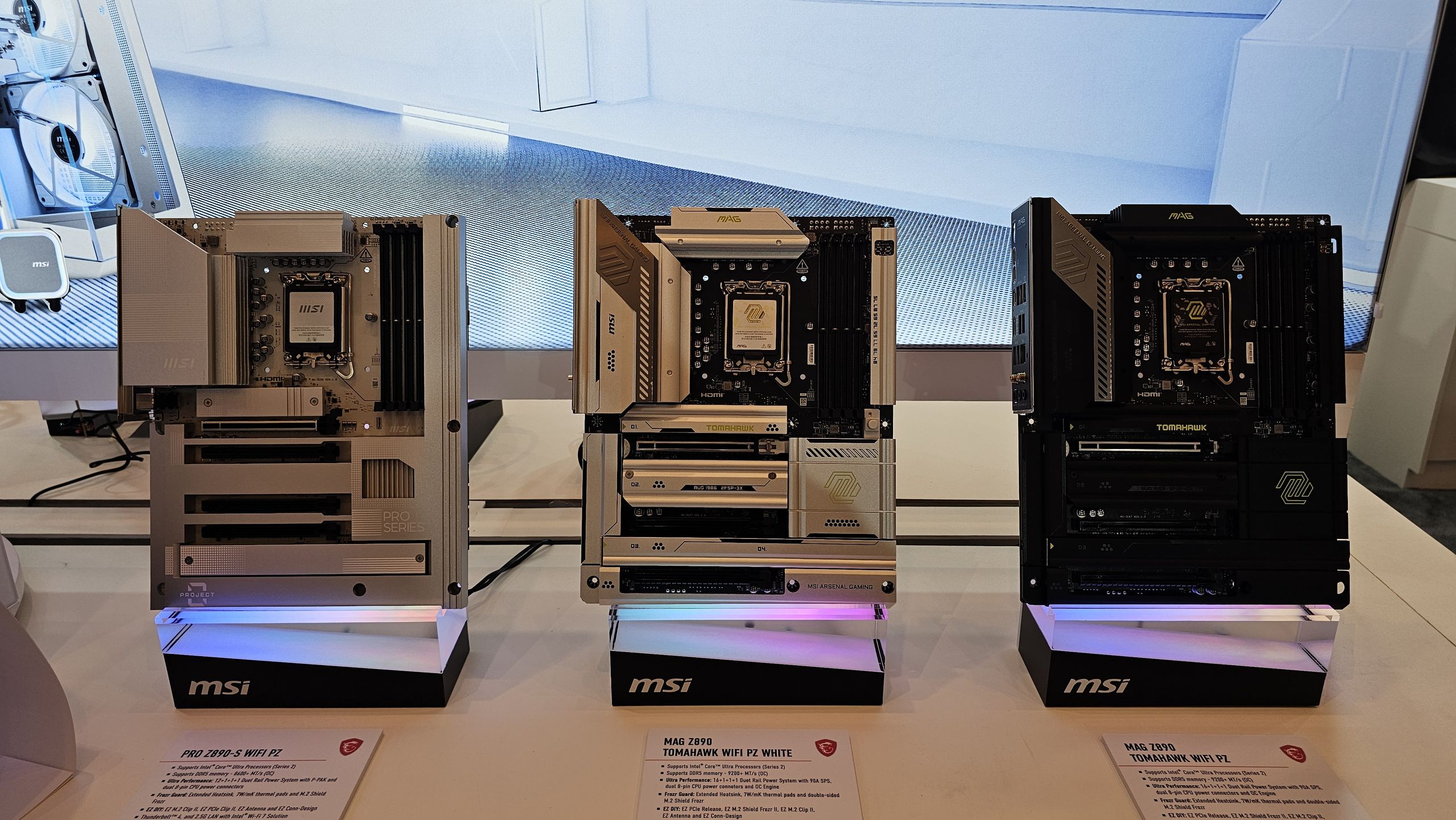
Other industry giants are mirroring this contraction. Gigabyte has slashed its targets from 11.5 million units down to 9 million, a 22% reduction. MSI has followed a similar path, lowering its projections from 11 million units to 8.4 million, marking a 24% drop. The most severe impact is felt at ASRock, where the forecast is particularly bleak. ASRock is expected to see shipments plummet from 4.3 million units in 2025 to just 2.7 million in 2026, a staggering 37% decrease. When aggregated, the total market volume for these four dominant manufacturers is contracting by approximately 28%, signaling a massive retreat from the consumer segment.
The Strategic Pivot Toward Agent AI and Hyperscalers
This decline is not a failure of demand, but a deliberate choice of priority. For decades, the PC component market operated on a flexible supply chain that responded to consumer trends. Today, that logic has been replaced by an AI-first mandate. Chip architects like Nvidia, Intel, and AMD have completely reorganized their production pipelines to prioritize high-margin AI processors over consumer-grade silicon. The catalyst for this acceleration is the rise of Agent AI—systems capable of understanding user intent and executing complex tasks autonomously—which requires an unprecedented amount of compute power.
This prioritization has created a bottleneck that ripples through the entire hardware stack. Intel and AMD are diverting resources away from standard CPUs, and even high-performance Mac chips from Apple are feeling the pressure of this scarcity. The situation is further complicated by a series of strategic delays and architectural shifts. AMD's decision to maintain the AM5 socket has slowed the urgency for some upgrades, while Intel's Nova Lake architecture has faced delays. Meanwhile, the GPU market is in a state of suspended animation; the absence of an RTX 50 Super series and rumors that the RTX 60 series may not arrive until 2028 have stripped PC enthusiasts of their primary motivation to upgrade.
For the manufacturers, this is not a crisis but a migration. Asus, Gigabyte, and ASRock are not simply losing revenue; they are converting their consumer production lines into AI server component factories. By pivoting toward the needs of hyperscalers—the massive data center operators that fuel the AI revolution—these companies are trading volatile consumer sales for the stable, high-value investments of the cloud giants. The consumer is essentially being priced out of the market to make room for the infrastructure of the next industrial revolution.
For the individual user or developer, the only remaining strategy is opportunistic. The most viable path to a cost-effective build currently lies in hunting for motherboard bundles at retail outlets desperate to clear old inventory. While these discounts rarely offset the rising costs of RAM and SSDs, they represent the last remaining pocket of efficiency in a market that has fundamentally stopped caring about the desktop PC.