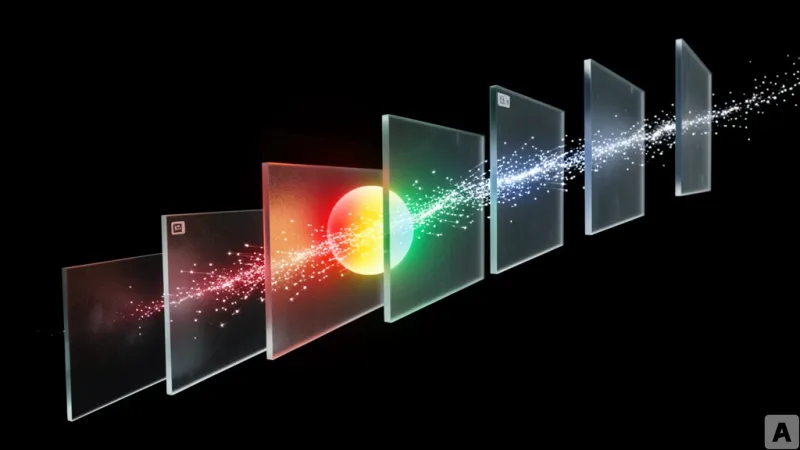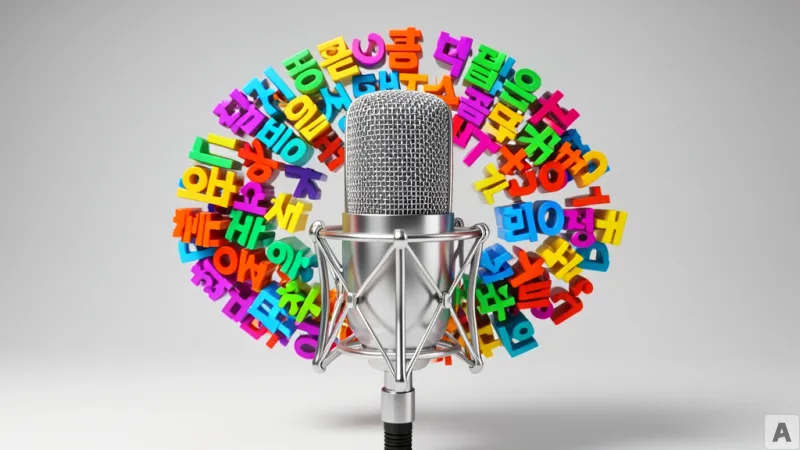
The era of requiring a physical voice sample to generate synthetic speech has officially ended. For years, the gold standard for AI voice synthesis was cloning, a process that demanded high-quality recordings of a human subject to serve as a blueprint. If you did not have a recording, you could not have a specific voice. VoxCPM2 changes this fundamental constraint by introducing a system where voices are synthesized not from audio samples, but from descriptive text prompts. This shift from imitation to creation marks a pivotal moment in generative AI, moving the industry toward a future where any imaginable persona can be summoned through a simple written description.
The End of the Robotic Tokenizer
To understand why VoxCPM2 represents a leap forward, one must first understand the limitation of traditional text-to-speech systems. Most existing AI voice tools rely on tokenizers, which break down speech sounds into tiny, discrete fragments for analysis and reconstruction. While efficient, this process often leaves audible seams at the connection points, resulting in the stilted, robotic cadence that has long plagued synthetic voices. The human ear is incredibly sensitive to these micro-discontinuities, which is why many AI voices still feel unnatural despite their clarity.
VoxCPM2 solves this by completely abandoning the tokenizer. Instead of slicing sound into pieces, the model was trained on a massive dataset of 2 million hours of raw audio. This holistic approach allows the AI to learn the fluid, continuous nature of human speech as a whole. With 2 billion parameters, the model has developed a sophisticated understanding of linguistic nuances across 30 different languages, including Korean. The output quality is further elevated by a 48kHz sampling rate, a standard typically reserved for professional recording studios. By combining a massive training set with a tokenizer-free architecture, VoxCPM2 eliminates the mechanical artifacts of previous generations, delivering a level of naturalness that is nearly indistinguishable from a human recording.
From Audio Samples to Text Prompts
The most disruptive feature of VoxCPM2 is its zero-shot voice generation capability. In previous workflows, if a developer wanted a voice for a specific character, they had to hire a voice actor or find a matching sample. VoxCPM2 removes the middleman. A user can now simply type a description such as a kind and gentle young girl or a stern, authoritative older man, and the AI generates a unique voice that fits those descriptors instantly. This is not merely a selection from a preset menu; it is the dynamic creation of a vocal identity based on semantic understanding.
This capability fundamentally alters the economics of the entertainment and gaming industries. In AAA game development, the cost of recording thousands of lines of dialogue for non-player characters is astronomical, involving expensive studio time and complex scheduling. With VoxCPM2, creators can generate a diverse cast of voices on the fly, adjusting the emotional tone or speaking pace without needing to return to the recording booth. The ability to take an existing voice and modify its mood—turning a neutral tone into one of sadness or urgency—provides a level of creative control that was previously impossible without a highly skilled human performer.
Real Time Performance and Open Access
High-fidelity AI is often useless if it requires hours of rendering for a few seconds of audio. VoxCPM2 addresses the latency problem with impressive efficiency. When tested on an NVIDIA RTX 4090, the model achieved a Real-Time Factor (RTF) of 0.3. In practical terms, this means the AI can generate speech significantly faster than a human can actually speak it. This speed makes the model viable for real-time applications, such as interactive AI assistants, live translation services, and dynamic NPCs in virtual environments where immediate response times are critical for immersion.
Perhaps more significant than the technical specs is the decision to release VoxCPM2 under the Apache-2.0 license. By making the model open-source and permissive, the developers have lowered the barrier to entry for high-end voice synthesis. Small startups and independent developers no longer need to pay exorbitant API fees to giant tech corporations to access studio-quality TTS. They can now host the model on their own infrastructure, customize it for their specific needs, and integrate it into their products without the risk of vendor lock-in.
This democratization of voice technology ensures that the next wave of AI innovation will not be limited to a few well-funded labs. As the threshold for creating high-quality audio drops, we will likely see a surge in personalized AI experiences and more accessible assistive technologies for those with speech impairments. VoxCPM2 has moved voice AI beyond the realm of simple mimicry and into the realm of true creative synthesis.