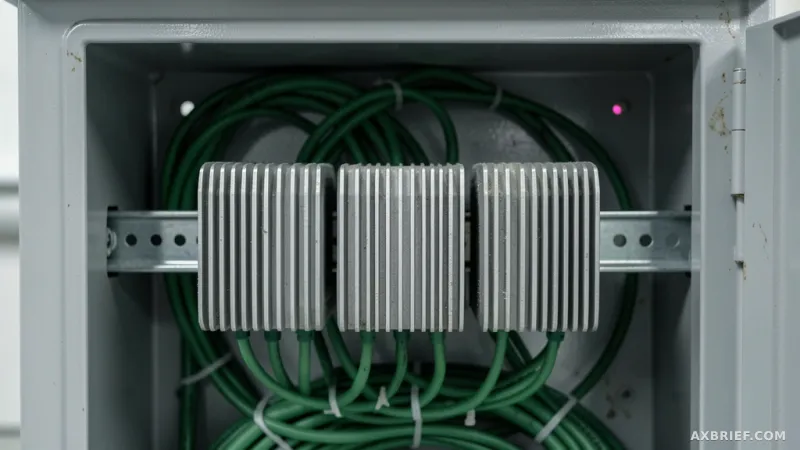
The silence of a halted production line is the most expensive sound in modern manufacturing. For a field engineer, that silence usually begins with a flicker of a status LED on a network switch tucked away in a dusty, overheating cabinet. In these environments, standard commercial-grade networking gear is a liability, often succumbing to the very conditions it was meant to monitor. When a switch fails due to thermal stress or mechanical vibration, the resulting communication blackout doesn't just stop a machine; it freezes the entire data flow of the facility, turning a high-tech plant into a collection of expensive, idle metal. This fragility has become the primary bottleneck for companies attempting to scale their automation efforts.
The Hardware Offensive at Automate 2026
To address these systemic vulnerabilities, Antaira is preparing a massive hardware rollout at Automate 2026. From June 22 to June 25, the company will occupy South Hall Booth #4257 at the McCormick Place in Chicago to debut more than 30 new types of rugged Ethernet switches. These devices are not merely incremental updates but are specifically engineered to maintain operational continuity in environments where temperature swings, high humidity, and constant vibration would render standard equipment useless. The primary objective of this expansion is to ensure that data-centric automation networks maintain maximum uptime by hardening the physical layer of the infrastructure.
Beyond the physical switches, the event will serve as the launchpad for the latest generation of A.NMS, the Network Management Suite. This software layer is designed to wrap around the rugged hardware, providing a unified interface for monitoring and configuring the network. For organizations looking to integrate these solutions, detailed specifications and deployment criteria are available at antaira.com. By combining a vast array of hardware options with a centralized management tool, the company aims to provide a comprehensive safety net for industrial connectivity.
From Physical Hardening to Operational Intelligence
While the introduction of 30 new switch models suggests a focus on hardware variety, the actual strategic shift lies in the transition toward data-centric automation. In a traditional setup, a network switch is a passive utility. However, in a data-centric model, the network is the nervous system of the factory, carrying real-time telemetry from every sensor and actuator to a central controller. The tension here is that as the volume of data increases, the cost of a single point of failure rises exponentially. A rugged switch prevents the failure, but the A.NMS software prevents the blindness that follows a failure.
This is where the synergy between the physical and digital layers creates a reversal in how downtime is handled. Traditionally, when a network segment went dark, engineers had to manually trace cables and physically inspect devices across a sprawling plant floor to find the culprit. By integrating the ruggedized hardware with the A.NMS suite, the process shifts from reactive hunting to proactive identification. Administrators can now pinpoint the exact location of a fault from a single dashboard without needing to access individual devices. This eliminates the gap between failure and discovery, effectively compressing the recovery window and ensuring that the physical durability of the switch is matched by the operational agility of the management software.
Ultimately, the reliability of an industrial network is not determined by a single specification, but by the alignment of the hardware's tolerance with the environment's severity. When the physical resilience of a rugged switch is paired with the visibility of a centralized management system, the network stops being a potential point of failure and starts becoming a foundation for growth.