In the quiet hallways of nursing homes, the traditional clatter of mechanical walkers is being replaced by the near-silent, rhythmic hum of high-performance motors. As the population ages, the demand for mobility assistance has shifted from bulky, rigid frames to lightweight, responsive wearables. Haier, traditionally known for home appliances, has entered this space with the W3, an exoskeleton that weighs just 1.75kg and aims to redefine how we integrate AI into physical rehabilitation.
Hardware Engineering and the 16Nm Assist
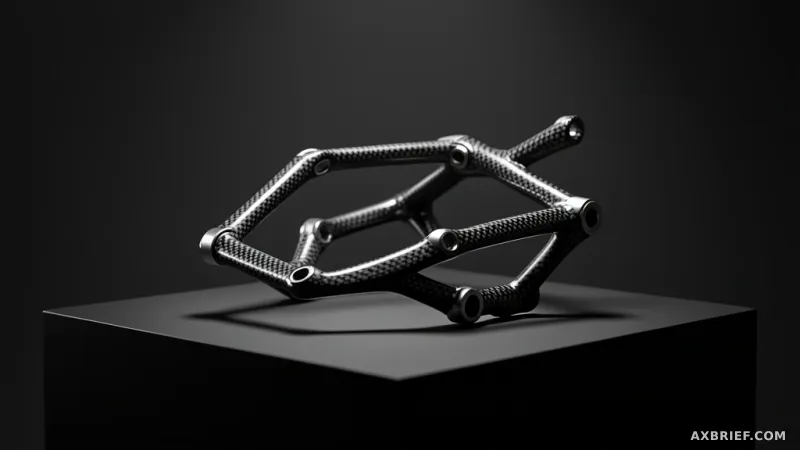
The primary barrier to exoskeleton adoption has historically been the weight of the device itself, which often adds more physical burden than it relieves. The Haier W3 addresses this by utilizing a combination of carbon fiber and titanium alloys, materials typically reserved for aerospace and professional sports equipment. This material shift allows the frame to maintain structural integrity while keeping the total weight at 1.75kg.
To ensure this lightweight frame provides meaningful support, Haier integrated a high-torque dual motor system capable of delivering up to 16Nm of assistance per leg. This dual-motor configuration allows for more precise torque control compared to single-motor designs. When combined with a high-energy battery, the system effectively reduces the user's perceived physical load by approximately 5kg. By intervening at the exact moment a user’s muscles fatigue, the device physically distributes the weight of the body, mitigating both the physical strain and the psychological anxiety associated with walking.
AI Walking Algorithm 3.0 and Millisecond Intent
The core of the W3’s performance lies in its AI Walking Algorithm 3.0, which processes data from multi-dimensional sensors in real time. These sensors track joint angles, contact with the ground, and shifts in the center of gravity at millisecond intervals. Rather than relying on a simple binary on-off assist, the algorithm interprets the user’s intent—detecting whether they are initiating a step or preparing to stop—and adjusts motor output accordingly.
This predictive control system eliminates the mechanical lag that often makes wearable devices feel disjointed from the user's natural gait. The high-energy battery ensures that the voltage and current remain stable, allowing the onboard processor to perform these complex calculations without interruption. By segmenting the walking cycle from heel strike to toe-off, the algorithm applies the 16Nm of torque with precise timing, ensuring that the assistance feels like an extension of the user's own nervous system rather than an external force.
The Small-Step Mode for Geriatric Care
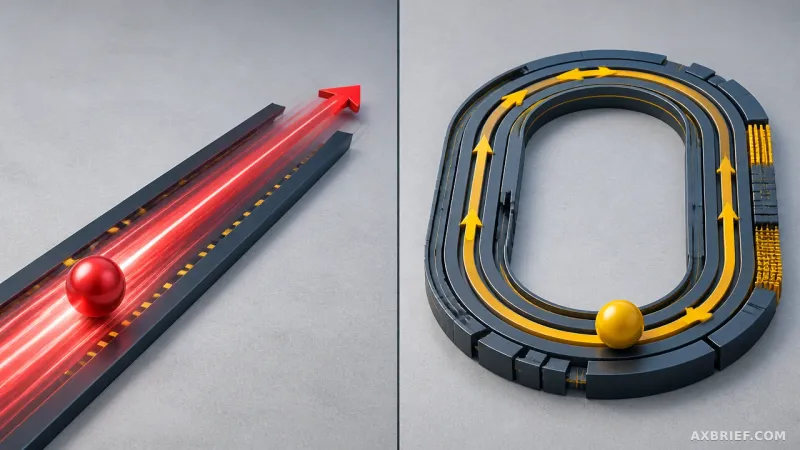
While many sports-oriented exoskeletons focus on increasing stride length and speed, the Haier W3 prioritizes stability through its specialized small-step mode. This feature is specifically designed for elderly users who may have limited muscle strength and shorter, more irregular gait cycles. By focusing on the qualitative stability of the walk rather than raw power, the device helps prevent falls and supports independent movement for those with reduced physical capacity.
This mode works by calculating the user's center of gravity in real time and distributing assistance to compensate for instability within a narrow stride. It is a departure from industrial exoskeletons that prioritize heavy lifting, focusing instead on the nuanced needs of geriatric care. The combination of the 1.75kg frame and the AI-driven small-step mode creates a controlled environment where the user maintains autonomy while receiving the necessary support to navigate safely.
Vertical Integration via the STEP Acquisition
Hardware innovation is often stifled by the distance between design and manufacturing. On June 26, 2025, Haier completed a strategic acquisition of the Shanghai-based robotics firm STEP for over 2.5 billion yuan (approximately 554.3 billion KRW). This move was designed to vertically integrate the entire production chain of the W3, from initial prototyping to mass manufacturing.
By incorporating STEP into its COSMOPlat industrial internet platform, Haier has effectively bridged the gap between digital AI design and physical hardware production. This integration allows for rapid iteration; design changes for the W3 can be reflected immediately in the manufacturing process. By owning the production infrastructure, Haier avoids the bottlenecks of external supply chains, ensuring that the precision required for carbon fiber and titanium processing is maintained in-house. This acquisition signals a broader shift in the AI hardware market, where control over the manufacturing ecosystem is becoming as critical as the software algorithms themselves.
Haier’s transition from home appliances to medical-grade robotics demonstrates that the future of AI hardware lies in the convergence of specialized algorithms and vertically integrated production. As the industry moves toward more personalized, body-specific assistive technology, the ability to control the entire hardware stack will likely become the standard for competitive advantage.