The Rise of a Global AI Powerhouse
Brazil is rapidly transforming into a cornerstone of OpenAI’s global strategy, currently ranking as one of the top three markets for ChatGPT by weekly active users. Over the past year, the local user base has nearly doubled, with Brazilians sending approximately 215 million messages daily. This surge is mirrored in the enterprise sector, where the number of ChatGPT Enterprise seats has increased fivefold year-over-year, placing Brazil among the top 10 countries for OpenAI’s business customer base. Beyond simple queries, non-technical entrepreneurs are increasingly leveraging these tools to build custom applications for inventory management and dynamic pricing, signaling a shift from passive consumption to active production.
Usage Patterns and Technical Integration
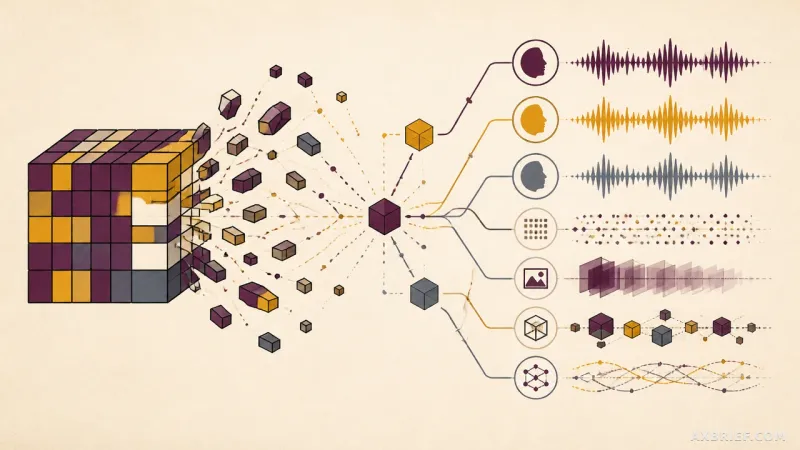
What distinguishes the Brazilian market is its sophisticated approach to multimodal interfaces. Brazil leads the world in the usage of ChatGPT Images and ranks in the top five globally for voice and dictation features, with weekly voice-feature users doubling in the last 12 months. This trend extends into the developer ecosystem, where the use of Codex—the model designed for natural language-to-code translation—has seen an 11-fold increase in weekly users since early 2026, with daily interactions surging nearly 30-fold. Brazil now hosts the second-highest number of developers using the OpenAI API globally, moving beyond basic model calls to building functional prototypes for finance, commerce, and mobility sectors.
python
OpenAI API basic code generation example
import openai
client = openai.OpenAI(api_key="YOUR_API_KEY")
response = client.chat.completions.create(
model="gpt-4o",
messages=[{"role": "user", "content": "Write a Python function to integrate with a local Brazilian payment system."}]
)
print(response.choices[0].message.content)
Economic Impact and Practical Application
Research from the data-driven policy institute RegLab suggests that AI could contribute approximately R$ 1 trillion to the Brazilian economy by 2030. This potential is already visible in the workplace, where 35% of messages sent by Brazilian users are work-related, exceeding the 30% global average. Of these professional interactions, 53% involve specific task execution, such as drafting marketing materials or writing code. A notable example is a public procurement matching project that uses Codex to help small businesses navigate government bidding requirements.
python
Public procurement opportunity matching prototype
def match_procurement_opportunity(business_description, public_data):
Extract profile from voice-to-text input
profile = extract_profile(business_description)
Match against public datasets and eligibility requirements
opportunities = search_opportunities(profile, public_data)
Map against local public sector demand
return map_nearby_demand(opportunities)
The São Paulo Hub Strategy
To solidify this momentum, OpenAI has established a commercial operations hub in São Paulo. This office serves as the focal point for the "OpenAI para Devs" roadshow, which has already engaged 285 developers, startup engineers, and creators across cities like Recife, Rio de Janeiro, and Florianópolis. By hosting events like the OpenAI Hackathon Brasil and the first local Creators Day, the company is moving beyond mere service delivery to foster a two-way feedback loop. This localized approach ensures that the specific cultural and technical nuances of the Brazilian market are integrated into the broader development of OpenAI’s infrastructure, setting a new standard for how the company scales its operations in emerging digital economies.
As OpenAI deepens its roots in São Paulo, the focus shifts from simple tool access to building a robust, locally-governed AI ecosystem that translates technical capability into tangible economic growth.