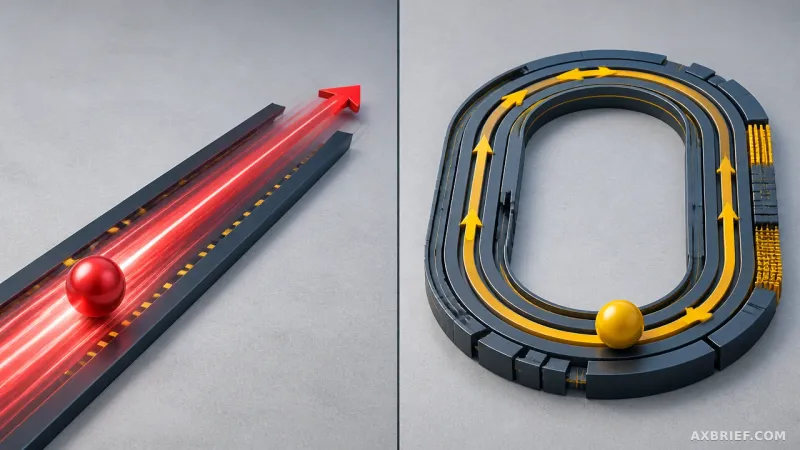
For years, the promise of the fully automated warehouse has been hindered by a fundamental limitation: the invisible wall. In most modern logistics centers, industrial robots operate on a strict diet of pre-defined paths and static maps. If a pallet is shifted six inches to the left or a cardboard box falls into a designated transit lane, the system often grinds to a halt, requiring human intervention to reset the coordinates. The industry has long sought a way to move beyond these rigid scripts toward a system that can actually see and understand the chaos of a working factory floor.
The Commercialization of Physical AI
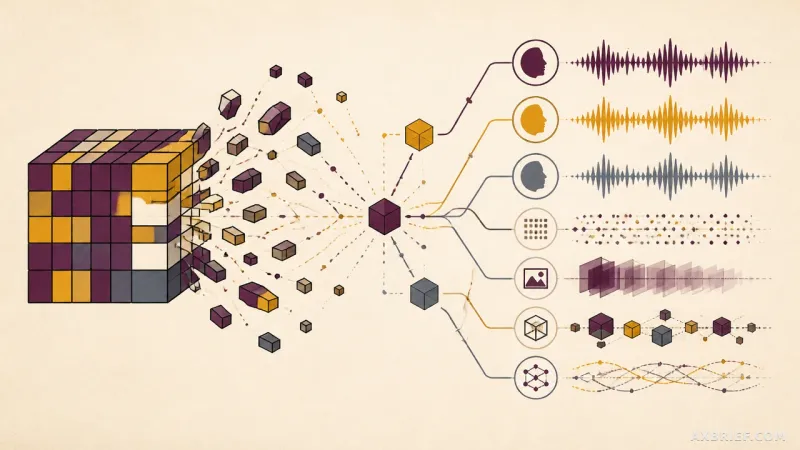
Teradyne Robotics is attempting to break this deadlock with the introduction of its Physical AI solution, a technology designed to allow machines to perceive and interact with their physical surroundings in real time. The company is showcasing this capability at Automate 2026, held in Chicago from June 22 to June 25. Visitors to booth 1250 can observe these systems operating across a spectrum of industrial applications, ranging from high-precision electronics manufacturing to heavy-duty logistics.
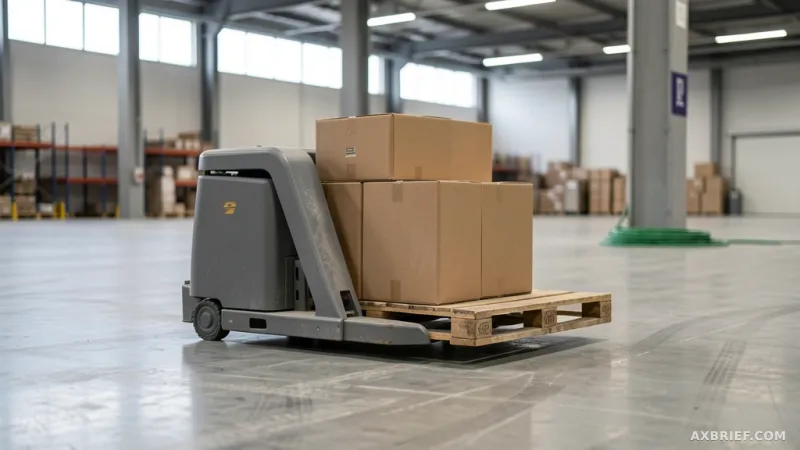
The centerpiece of this rollout is the MiR1200 Pallet Jack. Unlike experimental prototypes often seen at tech trade shows, the MiR1200 is positioned as a commercial-grade product ready for immediate deployment. It is designed to handle the rigors of actual manufacturing and logistics environments and is currently available for purchase. Detailed specifications and procurement options are hosted on the official company site at teradyne.com.
Moving Beyond the Static Map
The critical distinction between the MiR1200 and its predecessors lies in the shift from automation to autonomy. Traditional industrial robots rely on structured environments where every variable is controlled. However, Teradyne Robotics is targeting dynamic and unstructured environments—spaces where the position of objects and the flow of traffic change by the minute. By integrating Physical AI, the robot no longer simply follows a line or a digital map; it makes autonomous decisions based on the immediate physical state of its environment.
This capability solves a persistent pain point for plant managers: the high cost of environment modification. Previously, to automate a floor, companies often had to reorganize their entire layout to suit the robot. Physical AI flips this relationship, allowing the robot to adapt to the existing layout. To ensure these systems integrate seamlessly into complex workflows, Teradyne is utilizing a global network of system integrators. These partners combine the hardware and software to tailor the deployment to the specific needs of a given facility.
Jean-Pierre Hathout, President of the Teradyne Robotics Group, emphasized that the gap between demonstration and deployment has been closed. He stated that the performance seen in the current demos is not a curated simulation but a reflection of the actual commercial solution. The goal is to move the metric of success away from laboratory benchmarks and toward the robot's ability to execute irregular tasks amidst the unpredictable variables of a live production line.
The true test of Physical AI will not be found in the controlled aisles of a trade show, but in its ability to maintain uptime when the real world refuses to follow a map.