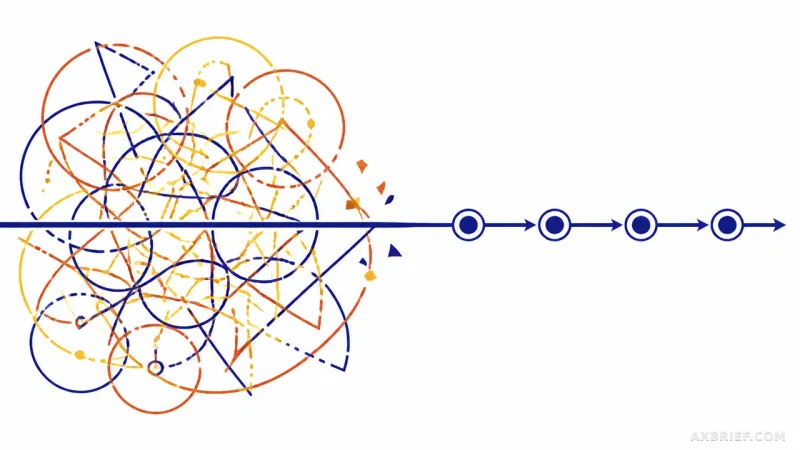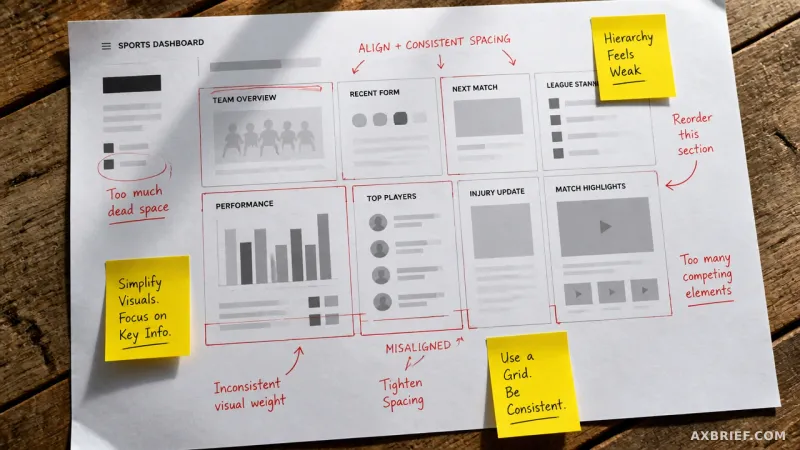
For years, the professional developer's relationship with generative AI has been defined by a tedious cycle of friction. An engineer encounters a bug, copies a block of code, pastes it into a browser-based chatbot, reads a suggestion, and then manually ports those changes back into their IDE. This fragmented workflow, while helpful, creates a cognitive tax that slows down the very velocity AI was promised to accelerate. The industry has been waiting for the moment when the model stops being a destination and starts being a layer of the infrastructure itself.
The Strategic Landing of Anthropic in Seoul
This shift reached a critical inflection point on June 17, 2026, when Anthropic officially opened its Seoul office, marking a direct and aggressive entry into the South Korean market. The move is not merely a symbolic presence but a calculated effort to embed Claude's capabilities into the engineering DNA of Asia's most tech-dense economy. Leading the new office is KiYoung Choi, a veteran with 30 years of experience in the technology business sector. Choi's appointment signals Anthropic's intent to balance rapid innovation with the rigorous safety standards that have become the company's hallmark, recognizing that in the Korean corporate landscape, reliability is as valuable as raw performance.
The scale of this entry is evidenced by a sweeping array of partnerships with the region's industrial titans. Anthropic has secured collaborations with Naver, Nexon, LG CNS, Hanwha Solutions, and Samsung SDS, as well as the startup Channel Corporation. These are not superficial pilot programs; they are deep integrations aimed at transforming how these organizations handle software engineering and business operations. For instance, Channel Corporation has already integrated Claude into Channel Talk, its AI-driven customer platform. With a user base of over 230,000 companies across South Korea, Japan, and the United States, Channel Talk serves as a live demonstration of how frontier models can manage massive customer-facing workloads while extracting actionable business insights from sales and service data.
From Chatbots to Agentic Infrastructure
What distinguishes this rollout from previous AI adoptions is the transition from simple query-response interfaces to what is known as an agentic workflow. In this paradigm, the AI does not just suggest a fix; it sets goals, plans execution, and completes complex tasks autonomously. Naver has led this charge by deploying Claude Code across its entire engineering organization. By integrating this automation tool directly into their development environment, thousands of Naver engineers are eliminating the copy-paste bottleneck, allowing the AI to write and modify code within the actual production context.
Nexon is taking this a step further by applying Claude Code to the entire lifecycle of its global live-service games. The integration spans from initial code drafting and peer review to the final deployment phase. Here, the AI is no longer a consultant but an active participant in the deployment pipeline, directly intervening in the execution stages of service delivery. Similarly, Samsung SDS has deployed Claude Code and Claude Cowork to Samsung Electronics employees. This deployment focuses on agentic workflows that handle large-scale software development and routine knowledge work, effectively turning the AI into a collaborative teammate rather than a tool.
LG CNS has followed a similar trajectory, initially deploying Claude to thousands of employees before scaling the rollout across the broader LG Group. Their focus is twofold: increasing internal software development efficiency and embedding AI agents into the technical solutions they design for external clients to tighten delivery timelines and improve quality control. Meanwhile, Hanwha Solutions has opted for a cloud-native approach via AWS Bedrock. This choice is driven by the strict requirements of data residency and corporate security, ensuring that sensitive internal data remains within a secure, isolated environment and is not utilized for general model training. This represents a broader trend where the adoption of large models is moving away from fragmented individual use toward a centralized, secure corporate engineering process.
Beyond the corporate boardroom, Anthropic is addressing the academic and social bottlenecks that hinder progress. The company has partnered with the National AI Research Laboratory (NAIRL) consortium, which includes KAIST, Korea University, Yonsei University, and POSTECH. By providing Claude access to up to 60 researchers, Anthropic is fueling critical studies into AI safety, model evaluation, alignment, and robustness. This is a strategic move to ensure that the models remain consistent and ethical even when faced with adversarial inputs, allowing Korean researchers to help design the safety guardrails for the next generation of frontier models.
This commitment to utility extends to the non-profit sector through Good Neighbors Korea. In the field of social welfare, practitioners are often overwhelmed by administrative burdens, spending more time interpreting complex social welfare laws and internal guidelines than supporting children in need. By implementing Claude to automate the search for legal precedents and the analysis of program results, Good Neighbors is reducing the time social workers spend on paperwork. This allows them to shift their focus back to direct community support, proving that the efficiency gains of agentic AI can be translated into tangible social value.
This comprehensive ecosystem is supported by a strong organic demand. According to Anthropic's latest metrics, South Korea ranks among the top 12 countries globally for Claude.ai usage, with a high concentration of users leveraging the tool for technical and creative professional work. To capitalize on this, Anthropic launched Claude for Startups in Korea and has been hosting regular Claude Meetups since September 2025. The collaboration with BASS Ventures for the Claude Build Day saw over 100 founders and developers engage in hands-on sessions with Anthropic's product and engineering leaders to build functional services in a single afternoon.
To further accelerate the transition from prototype to production, Anthropic is partnering with Replit, Korea Investment Partners, and Korea Investment Accelerator to host the Push to Prod hackathon. The goal of this event is to move beyond the ideation phase, using Claude Code to build and deploy fully operational software under the mentorship of engineers from both Anthropic and Replit. This initiative underscores the reality that the competitive edge in the current market is no longer about who has access to an LLM, but who can most effectively integrate that LLM into a production-ready pipeline.
The transition from a browser tab to a build pipeline is now complete. The arrival of Anthropic in Seoul and the systemic adoption of Claude Code by Korea's largest enterprises signal that AI has evolved from a productivity hack into a fundamental piece of engineering infrastructure.