The notification for a system update used to be a mundane event, usually promising a few security patches and a slightly refined settings menu. But this week, the update notification carries a different weight. As the developer community and early adopters scramble to install the latest builds, it is becoming clear that we have moved past the era of the AI assistant as a standalone app. We are now entering the era of the AI-native operating system, where the boundary between the interface and the intelligence has effectively vanished.
The Architecture of an AI-Native OS
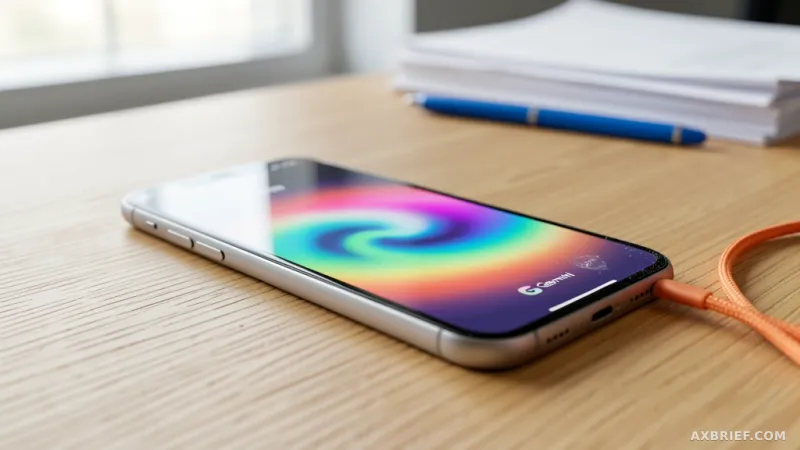
Google has officially launched the final versions of Android 17 and Wear OS 7, deploying them first across the Pixel ecosystem. This release is not merely an incremental update but a wholesale integration of Google's most advanced generative models directly into the system kernel. At the heart of Android 17 lies Gemini Omni, a multimodal engine capable of processing text, images, and audio simultaneously. Unlike previous iterations where AI acted as a layer on top of the OS, Gemini Omni is now woven into the functional fabric of the device. This allows for complex tasks, such as video editing, to be handled through natural conversation. Users can now request specific edits to a video clip via voice or text, and the OS executes the changes without requiring the user to navigate through nested menus or manual timelines.
Alongside Gemini Omni, Google has introduced Lyria 3 and AudioLM to expand the creative capabilities of the smartphone. Lyria 3 allows users to generate full music tracks within the Gemini app using simple text or image prompts, turning the device into a portable composition studio. For those using the Pixel 10a, the integration of AudioLM marks a significant leap in communication. This model enables high-fidelity speech-to-speech translation that bypasses the traditional text-intermediary phase. By translating sound directly to sound, the system reduces latency and preserves the nuance of human speech, effectively lowering the barrier for real-time international communication.
From Utility to Creative Engine
While the industry has spent the last year focusing on chatbots that can summarize emails, Google is pivoting toward a strategy of deep creative integration. This move creates a sharp contrast with Apple, which is preparing its own AI upgrades for Siri and iOS 27 this September. While Apple's approach has historically leaned toward refining the assistant's utility, Android 17 positions AI as the core engine for content production. The OS is no longer just helping the user find information; it is helping the user build assets.
This shift is mirrored in the new user interface elements. Android 17 introduces the Bubble Bar, a floating interface at the bottom of the screen where recently used apps appear as interactive bubbles. This allows users to drag, drop, and switch between applications with a fluidity that traditional app switchers cannot match. When combined with the new simultaneous recording feature—which captures the selfie camera and the screen at once—the device becomes a streamlined tool for the creator economy. Users can produce reaction videos for TikTok, YouTube, or Instagram instantly, eliminating the need for third-party screen recording software or tedious post-production editing.
Beyond the phone, Wear OS 7 transforms the Pixel Watch from a notification hub into a critical safety device. The new system can autonomously detect high-impact car accidents, sudden falls, and the cessation of a pulse. Upon detecting a life-threatening event, the watch automatically alerts emergency services and designated contacts without requiring user input. To ensure these life-saving features remain active, Google has optimized power consumption, resulting in a battery life increase of up to 10%.
Perhaps the most pragmatic shift in this release is the dismantling of the walled garden. Through a new Pixel Drop, Android Quick Share on Pixel 8a and 9a devices is now compatible with Apple's AirDrop. By establishing a common protocol for near-field file transfers, Google has removed one of the most persistent frictions in cross-platform collaboration. Users no longer need to rely on cloud links or email attachments to move a few photos between a Pixel and an iPhone, turning a long-standing platform rivalry into a functional partnership for the sake of productivity.
The battle for AI supremacy is shifting away from who has the largest parameter count and toward who can most effectively embed that intelligence into the rhythms of daily life.