The hum of the modern data center is the sound of an escalating environmental paradox. Every leap in model intelligence, every trillion-parameter breakthrough, and every millisecond shaved off inference latency comes with a hidden, mounting invoice: massive electrical consumption and a corresponding spike in carbon emissions. For the architects of the generative AI era, the conversation has shifted from whether they are impacting the planet to how they can physically undo that impact. This week, the industry saw a pivotal shift in how AI labs handle this liability as Anthropic stepped into a role that moves beyond the traditional corporate sustainability report.
The Capital Architecture of Carbon Removal
Anthropic has officially joined Frontier, a specialized coalition dedicated to the procurement of permanent carbon removal. In doing so, it becomes the first AI startup to enter the alliance, signaling a new phase of corporate responsibility for the LLM sector. The move is backed by significant capital; Anthropic contributed directly to a new funding tranche of 915 million dollars. This injection of liquidity has effectively doubled the coalition's total commitment, bringing the total pledged amount to 1.8 billion dollars.
Frontier was not built as a philanthropic venture but as a strategic procurement engine. Founded by a group of technology leaders including Stripe, Google, and Shopify, the coalition operates by identifying, vetting, and contracting with carbon removal companies. The goal is to create a predictable market for technologies that can physically strip carbon dioxide from the atmosphere. To date, the coalition has translated its financial pledges into tangible action, signing contracts with over 50 projects totaling approximately 700 million dollars. These efforts have already resulted in the actual removal of 1.8 million tons of carbon.
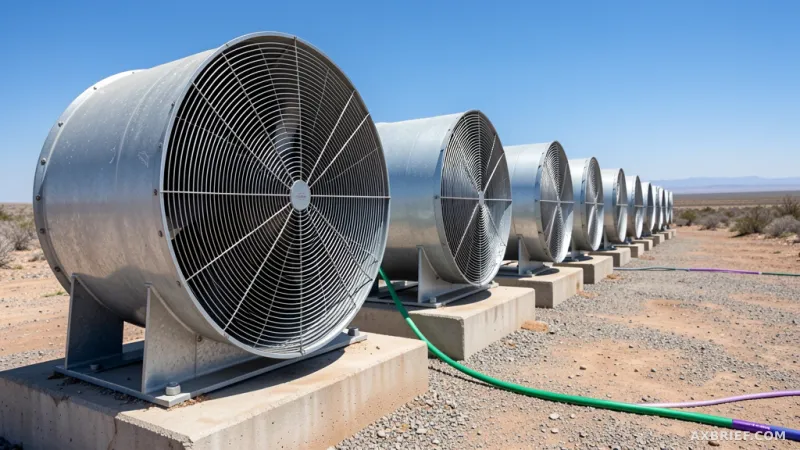
To achieve these numbers, Frontier maintains a diversified portfolio of removal technologies to avoid the risk of relying on a single point of failure. Their current strategy encompasses Direct Air Capture, which uses chemical processes to pull CO2 directly from the sky, and Enhanced Rock Weathering, which accelerates the natural process of minerals absorbing carbon. The coalition also invests in bio-oil production through the pyrolysis of organic matter and the use of ocean antacids to reduce acidification and increase the sea's natural carbon absorption capacity. Furthermore, they support Bioenergy with Carbon Removal and Sequestration, ensuring that the path to net zero is paved with multiple, redundant technical solutions.
From Carbon Offsets to Physical Removal
For years, the tech industry has relied on carbon offsets—essentially paying for the protection of existing forests or investing in renewable energy credits. However, the entry of an AI powerhouse like Anthropic into Frontier highlights a critical realization: avoidance is not the same as removal. While buying wind power prevents new carbon from entering the atmosphere, it does nothing to address the legacy emissions already driving global warming. The twist in the current climate strategy is the pivot toward physical removal, where the metric of success is not a reduction in a spreadsheet, but a measurable mass of carbon sequestered underground or in minerals.
Frontier is now tightening its selection criteria to reflect this need for industrial scale. Rather than funding a wide array of small-scale experiments, the coalition is concentrating its resources on projects that demonstrate the potential to remove 1 gigaton, or one billion metric tons, of carbon dioxide annually. This is a shift from boutique environmentalism to planetary engineering. To give these massive infrastructure projects the runway they need, Frontier has extended its contract durations to between 8 and 10 years. This long-term horizon acknowledges that building a gigaton-scale carbon vacuum is more akin to building a power plant than launching a software app.
This strategic shift also introduces a new requirement for the startups receiving these funds. Frontier now demands that carbon removal companies provide a clear roadmap for securing government subsidies and public policy support. The coalition recognizes that while private capital can act as the initial catalyst, the permanent growth of the carbon removal market requires the integration of public sector funding. For the removal companies, this means their business model must now prove not only technical viability but also administrative and political alignment with national climate goals.
For AI companies, this represents a fundamental change in how ESG is calculated. The ability to prove actual removal figures is becoming a core operational requirement. As the energy demands of AI continue to climb, the risk is no longer just a PR problem but a systemic operational risk. By treating carbon removal as a quantitative procurement process—essentially buying a specific amount of removal as a business service—Anthropic is redefining the relationship between compute power and planetary health.
This transition suggests that the next era of AI competition will not just be measured by benchmark scores or token costs, but by the efficiency of the carbon loop each company manages to close.