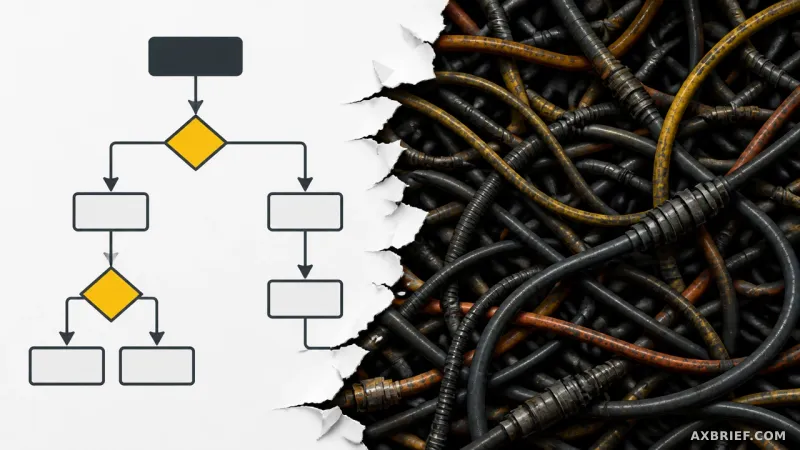
The professional feed has become an uncanny valley of corporate enthusiasm. For months, users have scrolled through a sea of posts that all sound remarkably similar: the same breathless openings, the same structured bullet points, and the same generic conclusions about synergy and leadership. It is the unmistakable cadence of a Large Language Model tasked with sounding professional. This pervasive, synthetic polish has created a new kind of digital noise, where the effort to appear polished has stripped away the very authenticity that makes professional networking valuable.
The War on Synthetic Noise
LinkedIn is now moving to actively purge this phenomenon, which it has termed AI slop. The platform recently announced the introduction of a dedicated reporting button that allows users to flag content they suspect is low-quality AI generation. According to Hari Srinivasan, LinkedIn's Chief Product Officer, the primary reason users visit the platform is to engage with genuine human perspectives and specialized expertise. By introducing the AI slop reporting mechanism, LinkedIn aims to prioritize human authenticity over algorithmic volume.
This initiative is not merely a user-facing reporting tool but part of a broader systemic defense. LinkedIn reveals that it is already blocking hundreds of thousands of automated comment attempts every single day. Over the past few months, the platform has successfully thwarted millions of automation attempts designed to inflate engagement or spam professional networks. To support the new reporting button, LinkedIn is deploying a new classifier designed to identify AI slop and low-quality content. Once identified, this content is systematically excluded from recommendation lists for users outside the author's immediate network. The reports generated by users via the new button serve as critical training signals to refine these classification models.
Perhaps the most significant shift is occurring within LinkedIn's own AI toolset. The company is removing its previously offered enhance your post feature, which allowed AI to rewrite content or alter the tone of a user's writing. In its place, LinkedIn is introducing a strict proofreading function. While the former tool acted as a ghostwriter, the new tool is limited to correcting typos and grammar, ensuring the user's original voice remains intact. Furthermore, LinkedIn is implementing a personal dashboard flag. If a user's posts are consistently flagged as inauthentic due to excessive AI use, the platform will notify the author privately, encouraging them to adjust their writing style to regain trust.
The Pivot from Generation to Filtration
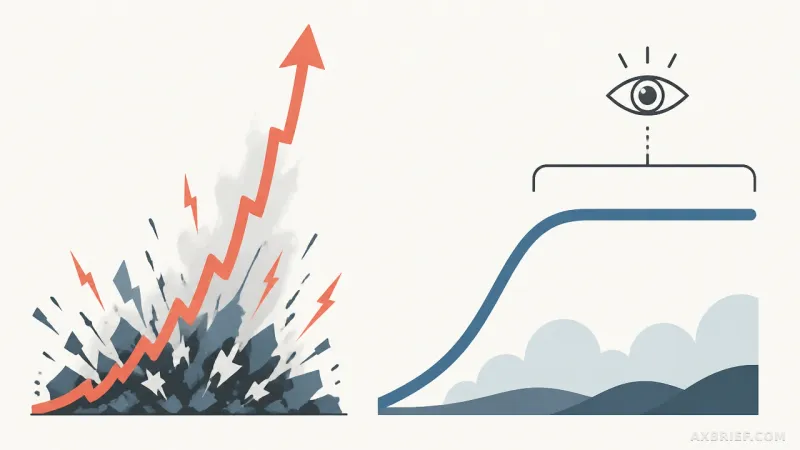
This move by LinkedIn reflects a critical tipping point in the broader AI ecosystem. For the last two years, the industry focus was almost entirely on generation—how to produce more content, faster and more efficiently. However, the market is now shifting toward filtration. We are seeing a growing trend where platforms are realizing that an explosion in content volume often leads to a collapse in content value. This AI fatigue is reaching a breaking point across the web.
This trend is evident in other professional and creative spaces. Substack recently partnered with Pangram to integrate AI-generated content identification tools. Pangram itself recently secured 9 million dollars in new investment specifically to address the crisis of AI-generated noise saturating the internet. The financial incentive has shifted from the tools that create the content to the tools that can prove a human actually wrote it.
The underlying infrastructure of the internet is also signaling a crisis. Cloudflare has reported that bot traffic is reaching a milestone where it exceeds human requests faster than previously anticipated. This environment is lethal for new services that rely on organic growth. A poignant example is Digg, which attempted to launch a competitor to Reddit in March. Despite the potential for a new community hub, the service was ultimately shuttered because it could not solve the problem of bot traffic dominating the site, rendering human interaction impossible.
LinkedIn's decision to trade enhancement for proofreading is a symbolic admission that the AI-generated professional voice has become a liability. When everyone uses the same AI to sound professional, the AI voice becomes the new marker of low effort. The competitive advantage is no longer the ability to produce a polished paragraph, but the ability to prove that the paragraph originated from a human brain with real-world experience.
For B2B marketers and developers, the introduction of the inauthentic flag is a warning. These flags are not just suggestions; they are signals that will likely influence the reach and visibility of an account. The strategy of copying and pasting AI templates is now a high-risk gamble that could lead to shadow-demotion in the recommendation algorithm. The value has shifted from the smoothness of the prose to the specificity of the insight.
As platforms expand their identity verification tools, the focus is moving away from the quality of the content and toward the identity of the creator. In an era of infinite, free, and polished synthetic text, the only remaining scarcity is verified human identity.