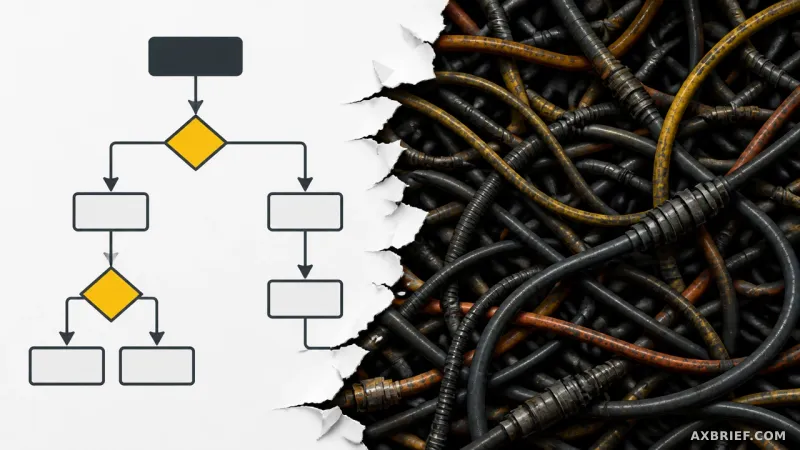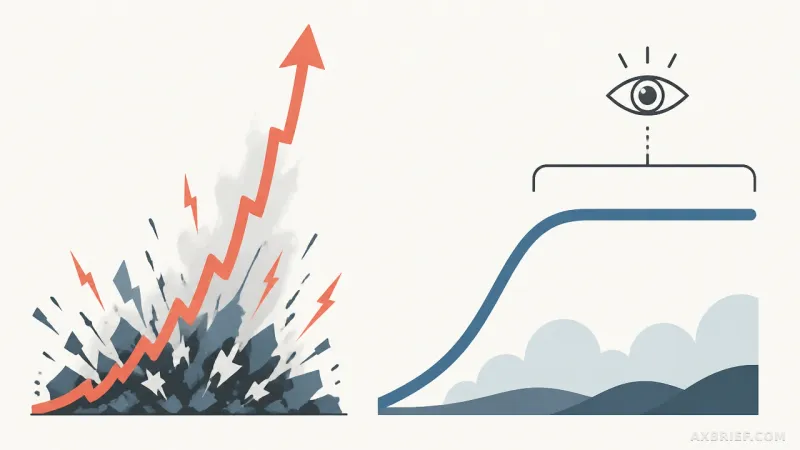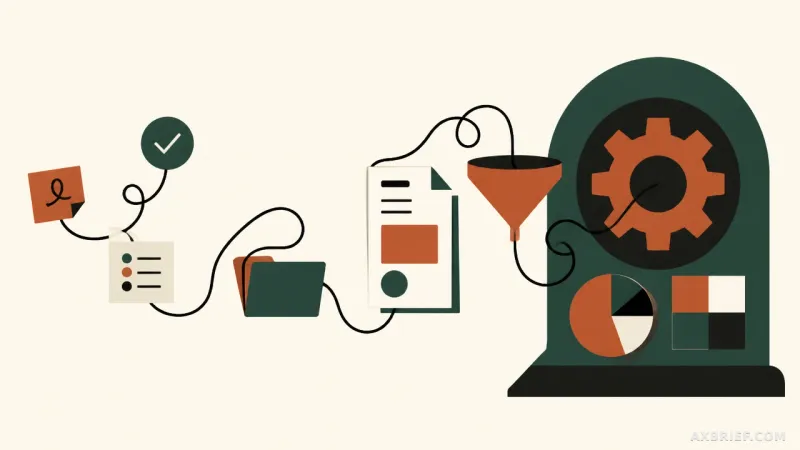
Customer support teams are currently trapped in a cycle of attrition and burnout, driven by the relentless repetition of the same ten questions. For the modern enterprise, the cost of human labor is no longer just a line item but a scaling bottleneck, where every single ticket handled by a human represents a failure of automation. The industry is shifting away from simple chatbots that provide links to documentation and toward autonomous agents that can actually resolve a problem from start to finish. This week, the race to dominate this autonomous layer reached a new milestone as the infrastructure for enterprise AI began to consolidate.
The $3.6 Billion Bet on Omni-channel Resolution
Salesforce announced on Monday that it is acquiring Fin, a specialized AI customer service platform, in a deal valued at $3.6 billion. Fin, which previously operated under the name Intercom, has built its reputation on the ability to deploy AI agents that do more than just mimic conversation; they are designed to drive toward a final resolution. The acquisition is scheduled to close in the fourth quarter of Salesforce's 2027 fiscal year, meaning the full integration will likely materialize in the early months of 2027.
At the core of Fin's value proposition is its omni-channel architecture. Rather than forcing companies to build separate logic for different communication streams, Fin integrates live chat, WhatsApp, SMS, phone calls, and Slack into a single AI agent framework. This ensures that a customer who starts a query on WhatsApp and later follows up via Slack is met with the same context and consistency. The AI maintains the thread of the conversation across all touchpoints, removing the need for the customer to repeat their issue and reducing the friction that typically triggers a human escalation.
To ensure the technical momentum of the platform remains intact, Salesforce is retaining the existing leadership. CEO Eoghan McCabe and the R&D lead, Des, will continue in their current roles, maintaining the R&D trajectory that allowed Fin to scale its autonomous capabilities. For enterprises, this retention of leadership is a critical signal that the product will continue to evolve based on its original vision of resolution-oriented AI rather than being absorbed into a generic corporate feature set.
From Chatbots to the Agentforce Ecosystem
While the acquisition adds a powerful tool to the Salesforce suite, the real strategic shift lies in how this technology will be absorbed into Agentforce. Agentforce is Salesforce's broader enterprise platform that allows companies to build custom AI agents for a variety of automated tasks. By folding Fin's service-specific expertise into Agentforce, Salesforce is moving from providing a tool to providing a comprehensive operating system for autonomous work.
The technical catalyst for this integration is found in two specific assets: the Apex model and the internal Agent Operator. CEO Eoghan McCabe has positioned the Apex model as a breakthrough in how AI handles service logic, while the Operator is designed to set a new standard for how internal agents execute tasks. By grafting these assets onto Agentforce, Salesforce can expand the scope of what is considered an automatable task. The goal is to move beyond the surface-level interaction of a chatbot and into the deep execution of business processes.
This represents a fundamental reversal in how AI is deployed in the contact center. Traditional AI tools focused on accuracy—trying to get the answer right. The Fin integration focuses on agency—trying to get the job done. When an AI agent can navigate a fragmented landscape of WhatsApp, Slack, and SMS while utilizing a specialized model like Apex to execute a resolution, the need for human intervention drops precipitously. The tension is no longer about whether the AI can talk to the customer, but whether it can operate the business logic required to solve the customer's problem without a human ever seeing the ticket.
The ultimate value of an AI agent is measured not by its linguistic sophistication, but by the amount of physical time it returns to the human workforce.